
Cacalia pseudo-taimingasa
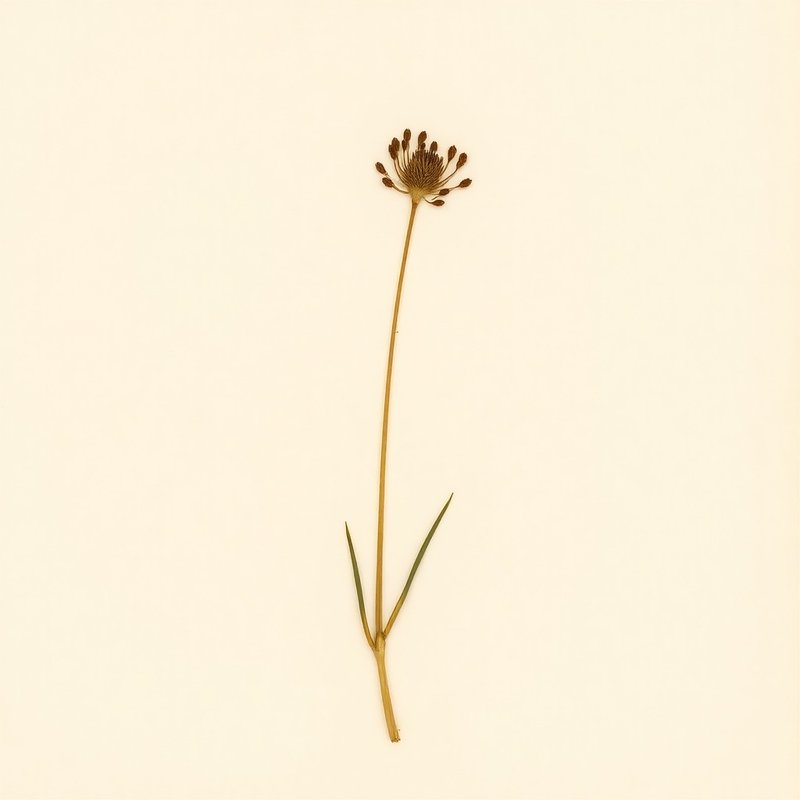
IOverview
Overview
Cacalia pseudo-taimingasa is a perennial herb native to the southeastern United States, including Alabama, Florida, Georgia, Louisiana, Mississippi, North Carolina, and South Carolina, as well as parts of Texas. This plant thrives in a variety of soil types, including light (sandy), medium, and heavy (clay), with a preference for a pH range of 5.5 to 6.5. It is well-suited to moist environments and can be found growing wild in various habitats within its native range. The leaves of Cacalia pseudo-taimingasa are edible and can be consumed raw or cooked. They are particularly suitable for dishes that benefit from a light, moist flavor profile, making them ideal for salads or as a cooked green. The plant's adaptability to different soil conditions and its ability to grow in a range of environments make it a resilient choice for gardeners and foragers alike. Cacalia pseudo-taimingasa is valued for its culinary uses and can be propagated via seeds or division. While it is not known for medicinal properties, its presence in the landscape can contribute to biodiversity and ecological balance. As with any wild plant, caution should be exercised when foraging, ensuring the plant is correctly identified and that it is safe for consumption.
What is Cacalia pseudo-taimingasa?
Cacalia pseudo-taimingasa is a perennial herb native to the southeastern United States, including Alabama, Florida, Georgia, Louisiana, Mississippi, North Carolina, and South Carolina, as well as parts of Texas.
VCultivation
Cultivation
How to grow Cacalia pseudo-taimingasa for the first time
Start with a simple planting of Cacalia pseudo-taimingasa in your garden or container to gain experience.
- 1
What you'll need
A few seeds, a small trowel, and a watering can.
- 2
Best time to plant
Plant in spring after the last frost, when temperatures are mild.
- 3
Soil and container prep
Ensure soil is well-draining with a pH between 5.5 and 6.5; use light, medium, or heavy containers as needed.
- 4
Sowing or transplanting
Direct sow seeds in the ground or start them indoors about 4 weeks before planting outside.
- 5
First two weeks
Keep soil consistently moist and provide partial shade to help seedlings establish.
- 6
Ongoing care
Water regularly, especially during dry spells; mulch around the base for moisture retention.
- 7
Harvest or pruning
Prune dead leaves in late winter to encourage new growth and maintain plant health.
- 8
Common mistakes
Overwatering, planting too deep, neglecting to provide partial shade.
VIEdible & utility
Edible & utility
VIIDistribution
8 native · 0 introduced
Distribution
8 native · 0 introducedIXSpecimen gallery
1 image
Specimen gallery
1 imageExplore further
About this entry
- Last updated
- Citation
- How to cite this entry · Submit a correction
Continue reading
Get archive updates
Occasional email when substantial new content lands — plant profiles, seasonal growing notes, folk-remedy additions. Free, no tracking, unsubscribe anytime.