
Sea Rocket
Cakile edentula
Educational content — not medical, botanical, or professional advice. Plant identification, safety, and edibility depend on local conditions, cultivars, and correct identification. Consult a qualified botanist or forager before consuming or handling wild specimens. How we source & review →
Garden journal pausedUse profile notes below
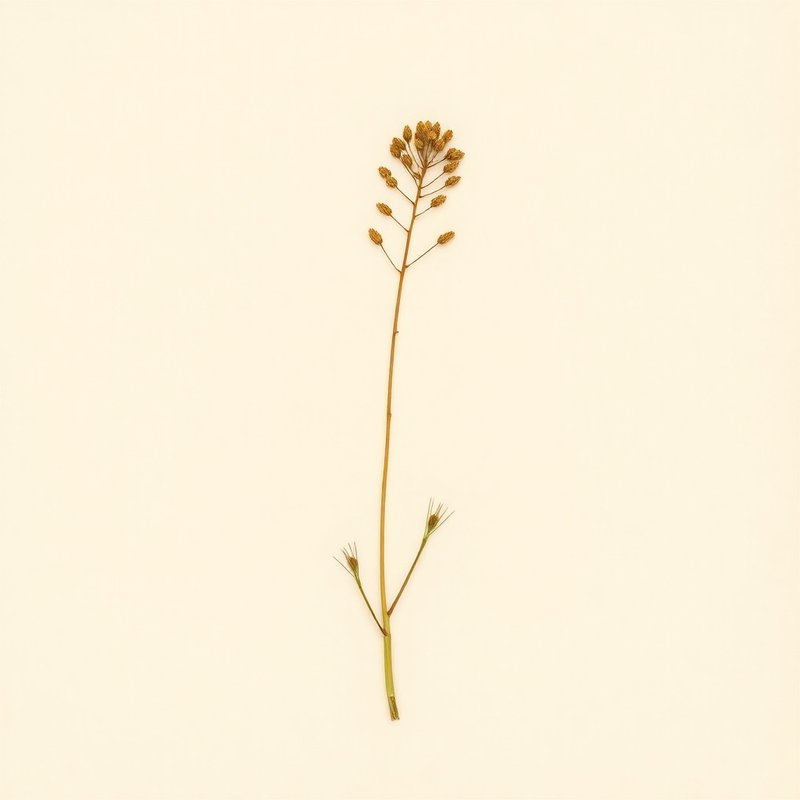
Pl. 302B — Cakile edentula
Cakile edentulaCakile edentulaCakile edentulaCakile edentulaCakile edentulaCakile edentulaCakile edentulaCakile edentulaCakile edentulaCakile edentulaCakile edentulaCakile edentulaCakile edentulaCakile edentula
IOverview
Overview
Sea Rocket (Cakile edentula) is an annual forb or herb native to coastal areas from Connecticut and Delaware southward to Florida and Georgia, as well as inland in Illinois and Indiana. Thriving in full sun, Sea Rocket prefers well-drained, light (sandy) soil, making it adaptable but particularly suited to environments with good drainage. This plant is native to the eastern United States and parts of Canada, and it has been introduced to various regions including Alaska, the Azores, British Columbia, and parts of Asia and Australia. The leaves, stems, and roots of Sea Rocket are edible. Typically, the young leaves are harvested and eaten raw in salads or cooked as a vegetable. The tender shoots can also be pickled for preservation, adding a unique flavor to dishes. The roots may be dug up and used similarly to other leafy greens, providing a slightly salty taste. Sea Rocket can grow up to 0.6 meters tall, making it a distinctive addition to gardens or natural landscapes. While Sea Rocket is primarily known for its culinary uses, it is also adaptable and can be found in a variety of growing contexts, from coastal areas to inland regions. Its ability to thrive in diverse environments and its edible parts make it a valuable plant for both gardeners and foragers. However, it is important to note that while Sea Rocket is safe to consume, it should be identified correctly to avoid confusion with other plants.
Quick answers
What is Sea Rocket?
Sea Rocket (Cakile edentula) is an annual forb or herb native to coastal areas from Connecticut and Delaware southward to Florida and Georgia, as well as inland in Illinois and Indiana.
Growingconditions · propagation · uses
VCultivation
Cultivation
Sea Rocket thrives in full sun and prefers well-drained, light (sandy) soil. It is drought-tolerant but can also handle moist conditions. This annual plant grows up to 0.6 meters tall and is hardy in zones 5-9. Propagate by seed directly sown into the garden bed after all danger of frost has passed. Harvest edible parts, including leaves, roots, and stems, throughout the growing season.
Light
Full sun
Water
Dry, Moist
Soil
Light (sandy)
Hardiness
5-9
Life cycle
Annual
Habit
Forb/herb
Mature size
0.6 m tall
For first-time growers
How to grow Sea Rocket for the first time
8steps
Start with Sea Rocket as an easy-to-grow annual for your garden.
- 1
What you'll need
Seeds, a small trowel or scoop, and a container or garden bed.
- 2
Best time to plant
Plant in spring after the last frost, when soil is warm.
- 3
Soil and container prep
Choose a spot with full sun. Ensure the soil is well-draining and sandy.
- 4
Sowing or transplanting
Direct sow seeds 0.5 cm deep in rows, spacing them about 30 cm apart.
- 5
First two weeks
Keep the soil moist until germination. Thin seedlings to 30-45 cm apart once they have several leaves.
- 6
Ongoing care
Water sparingly, as Sea Rocket prefers dry conditions. Mulch lightly if needed.
- 7
Harvest or pruning
Prune stems and leaves for use in salads or cooking after the plant has established itself.
- 8
Common mistakes
Overwatering, planting too close together, neglecting to thin seedlings.
VIEdible & utility
Edible & utility
Edible parts:LeavesRootStem
Edible uses: The leaves, stems, and roots of Sea Rocket are edible. Typically, the young leaves are harvested and eaten raw in salads or cooked as a vegetable. The tender shoots can also be pickled for preservation. Roots may be dug up and used similarly to other leafy greens, adding a slightly salty flavor to dishes.
Contextrange · companions · related
VIIDistribution
28 native · 22 introduced
Distribution
28 native · 22 introducedDistribution across3 continents· 28 native· 22 introduced
Europe1 region
introduced (1)Portugal
Asia3 regions
native (1)Georgia
introduced (2)JapanSouth Korea
Americas1 region
introduced (1)United States
Broader regions
native:Connecticut, Delaware, Florida, Illinois, Indiana, Labrador, Maine, Maryland, Masachusettes, Massachusetts, Michigan, New Brunswick, New Hampshire, New Jersey, New York, Newfoundland, North Carolina, Nova Scotia, Ohio, Ontario, Pennsylvania, Prince Edward I., Québec, Rhode I., South Carolina, Virginia, Wisconsin
introduced:British Columbia, California, Chatham Is., Kuril Is., Mexico Northwest, New South Wales, New Zealand North, New Zealand South, Norfolk Is., Oregon, Primorye, Queensland, Sakhalin, South Australia, Tasmania, Victoria, Washington, Western Australia
IXSpecimen gallery
1 image
Specimen gallery
1 imageXI
Explore further
Companion planting
Growing zone
Native to
XII
About this entry
- Last updated
- Citation
- How to cite this entry · Submit a correction
Back to the cataloguePlant id · 302b9d7a-4a5e-46cc-b3f7-e30f589cf9a0
Decision aid
Choosing between Sea Rocket and something else?
Continue reading
❦❦❦❦
Endpaper · archive updates
Get archive updates
Occasional email when substantial new content lands — plant profiles, seasonal growing notes, folk-remedy additions. Free, no tracking, unsubscribe anytime.
Newsletter returning soon.
We are rebuilding the update list around a lightweight editorial workflow. New dispatches will resume after the next content review cycle.