
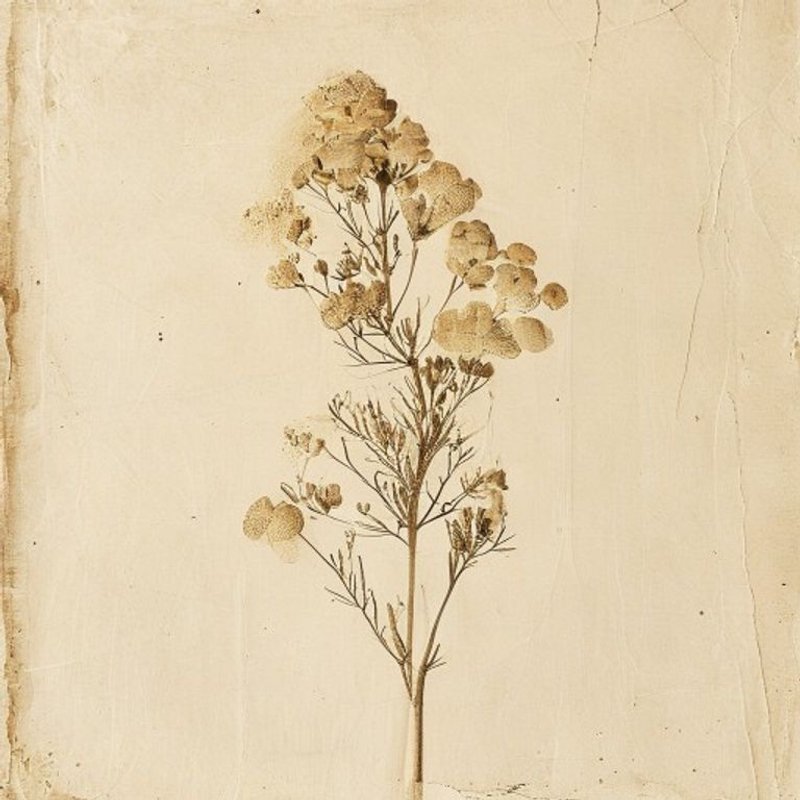
Calandrinia remota
IOverview
Overview
Calandrinia remota, a member of the purslane family (Portulacaceae), is an annual or perennial plant native to the arid and semi-arid regions of Australia, including New South Wales, Northern Territory, Queensland, South Australia, and Western Australia. This low-growing plant thrives in full sun, in soil that is either dry or moist, and in light sandy conditions. Known for its edible leaves, roots, and seeds, C. remota is valued both as a food source and an ornamental plant due to its distinctive appearance. Its small stature, reaching up to 0.1 meters, makes it suitable for rock gardens or as a ground cover in dry landscapes. The plant's leaves can be eaten raw or cooked, while the roots and seeds are typically dried before use in various dishes. While primarily used for its culinary value, C. remota is also appreciated for its ornamental qualities, adding a unique touch to gardens in its native range.
What is Calandrinia remota?
Calandrinia remota, a member of the purslane family (Portulacaceae), is an annual or perennial plant native to the arid and semi-arid regions of Australia, including New South Wales, Northern Territory, Queensland, South Australia, and Western Australia.
VCultivation
Cultivation
How to grow Calandrinia remota for the first time
Start with Calandrinia remota as an easy-to-grow annual plant for beginners.
- 1
What you'll need
Seeds, a small pot or garden bed, and some basic gardening tools like a trowel.
- 2
Best time to plant
Plant in spring when the weather starts warming up.
- 3
Soil and container prep
Use well-draining soil with sand added for lightness. Ensure containers have drainage holes.
- 4
Sowing or transplanting
Direct sow seeds into the garden bed or start them in a small pot before transplanting.
- 5
First two weeks
Water sparingly to keep soil moist but not soggy, and place in full sun.
- 6
Ongoing care
Continue light watering as needed. Remove any weeds that compete for water and nutrients.
- 7
Harvest or pruning
Prune back after flowering to encourage new growth and prevent the plant from becoming leggy.
- 8
Common mistakes
Overwatering, planting in heavy soil, not providing enough sunlight.
VIEdible & utility
Edible & utility
VIIDistribution
5 native · 0 introduced
Distribution
5 native · 0 introducedIXSpecimen gallery
1 image
Specimen gallery
1 imageExplore further
About this entry
- Last updated
- Citation
- How to cite this entry · Submit a correction
Continue reading
Get archive updates
Occasional email when substantial new content lands — plant profiles, seasonal growing notes, folk-remedy additions. Free, no tracking, unsubscribe anytime.