
Giant Milkweed
IOverview
Overview
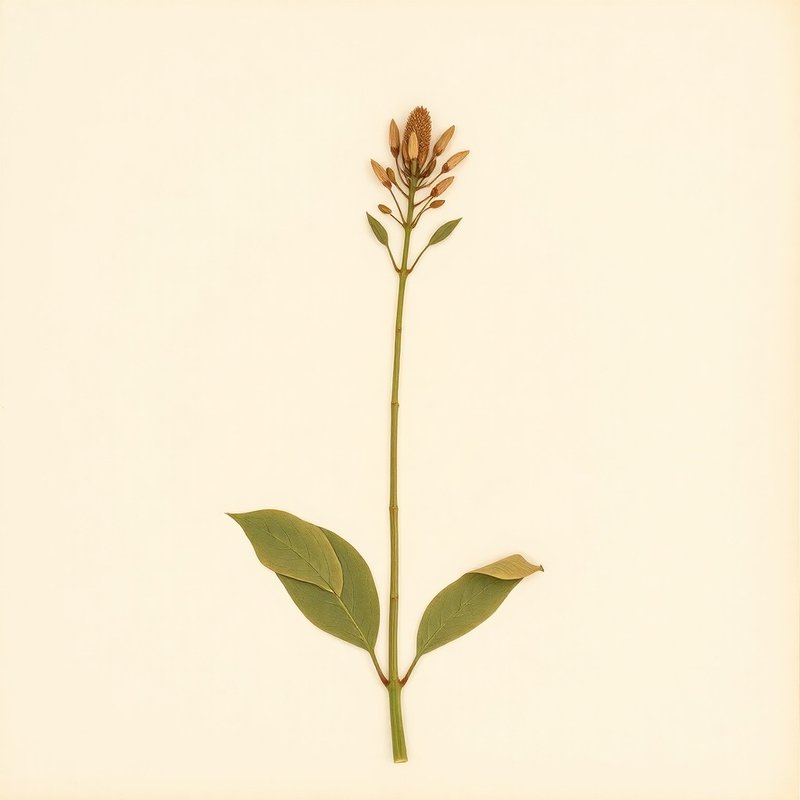
Giant Milkweed, scientifically known as Calotropis gigantea, is a shrub native to regions including Assam, Bangladesh, Cambodia, and various parts of India, with a widespread distribution across Southeast Asia, including countries like China South-Central, China Southeast, East Himalaya, Hainan, Myanmar, Nepal, Sri Lanka, Sulawesi, Thailand, and Vietnam. This plant thrives in full sun and can tolerate both dry and moist conditions, making it adaptable to different soil types such as light (sandy), medium, and heavy (clay). Known for its ornamental value and edibility, Giant Milkweed is valued for its flowers and leaves, which are edible and can be prepared as a decoction in traditional Ayurvedic practices to support immune health. The plant grows up to 5 meters in height and is hardy in zones 10-12, though it may require protection in colder areas. Its presence in diverse habitats across Southeast Asia highlights its resilience and widespread distribution. Giant Milkweed is also utilized for its utility in textiles, fire starting, cut flowers, dye, fiber, and as a cover crop or hedgerow. It has been introduced to various regions such as Andaman Islands, Angola, Colombia, Cuba, Fiji, Gilbert Islands, Hawaii, Kenya, Lesser Sunda Islands, and more, showcasing its adaptability and cultural significance.
What is Giant Milkweed?
Giant Milkweed, scientifically known as Calotropis gigantea, is a shrub native to regions including Assam, Bangladesh, Cambodia, and various parts of India, with a widespread distribution across Southeast Asia, including countries like China South-Central, China Southeast, East H
What is Giant Milkweed used for?
Traditionally used for immune support. Each claim is evidence-rated — see Section II for full citations.
IIBenefits & evidence
1 claim · traditional-use context
Benefits & evidence
1 claim · traditional-use context- Giant Milkweed has been traditionally used in Ayurveda to support immune health, often prepared as a decoction from leaves and flowers. It is believed to help the body resist common ailments.
The plant contains various alkaloids and cardiac glycosides which may contribute to its immunomodulatory effects, though the specific mechanisms are not fully characterised.
▲ ModerateImmune support →
IV·bMixology suggestions
1 draft
Mixology suggestions
1 draftVCultivation
Cultivation
How to grow Giant Milkweed for the first time
Start with Giant Milkweed as a simple, low-maintenance shrub for your garden.
- 1
What you'll need
A young plant or seeds, a pot if container planting, and basic gardening tools.
- 2
Best time to plant
Plant in spring when the weather is warming up.
- 3
Soil and container prep
Use well-draining soil with a mix of light (sandy), medium, or heavy clay. Ensure containers have drainage holes.
- 4
Sowing or transplanting
Transplant young plants directly into the garden or start seeds indoors 4-6 weeks before planting outdoors.
- 5
First two weeks
Water regularly to keep soil moist but not waterlogged. Place in a sunny spot to encourage growth.
- 6
Ongoing care
Provide full sun and regular watering, especially during dry periods. Prune lightly to maintain shape.
- 7
Harvest or pruning
Prune regularly to keep the plant tidy and promote new growth. Remove dead flowers to encourage more blooms.
- 8
Common mistakes
Overwatering, planting in poorly draining soil, not providing enough sunlight, neglecting regular pruning.
VIEdible & utility
Edible & utility
VIIDistribution
19 native · 23 introduced
Distribution
19 native · 23 introducedIXSpecimen gallery
1 image
Specimen gallery
1 imageXSee also
8 related
See also
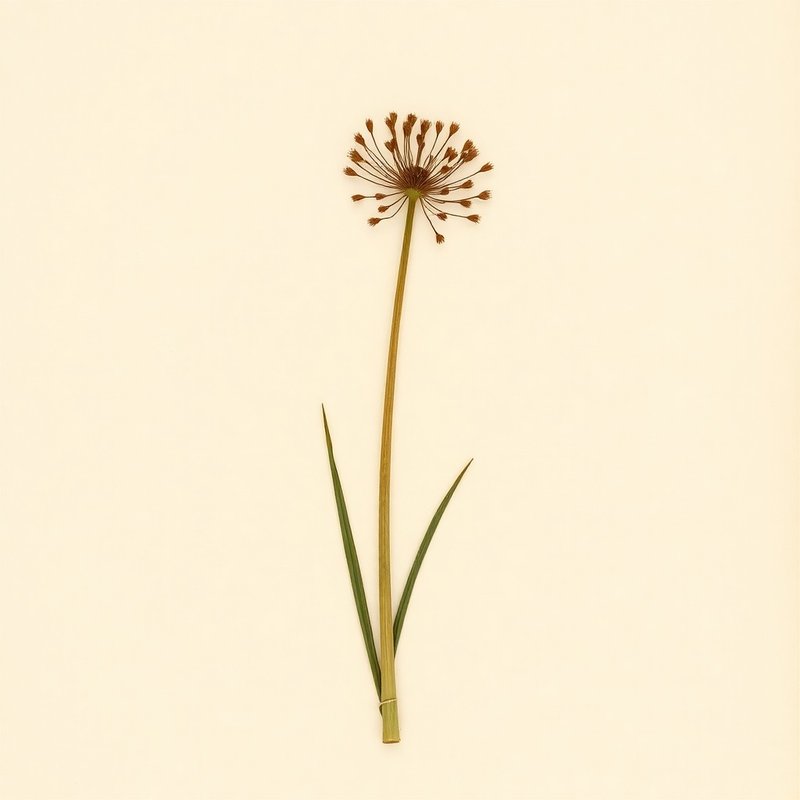
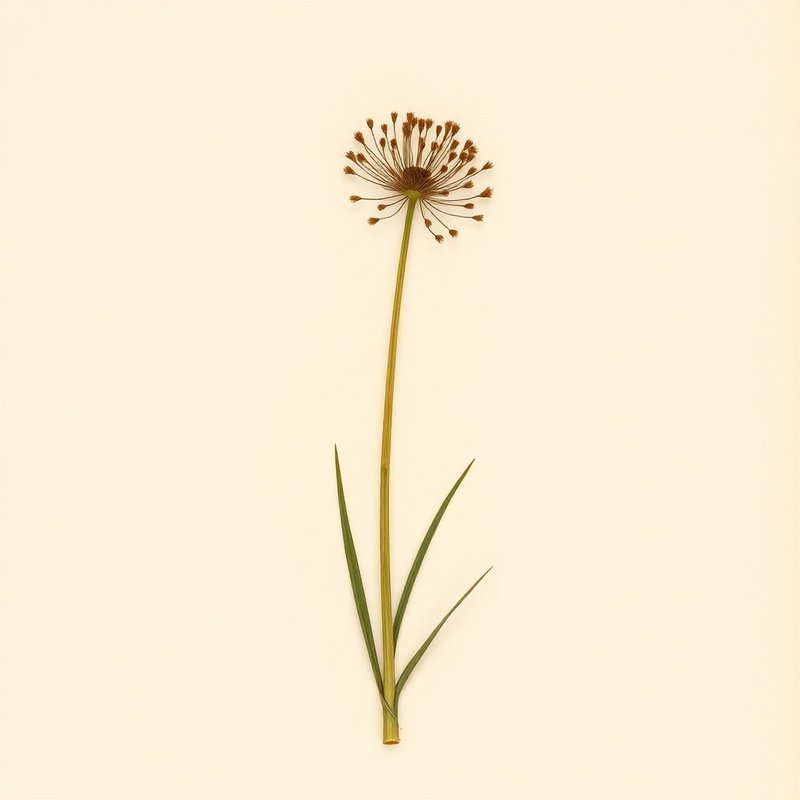
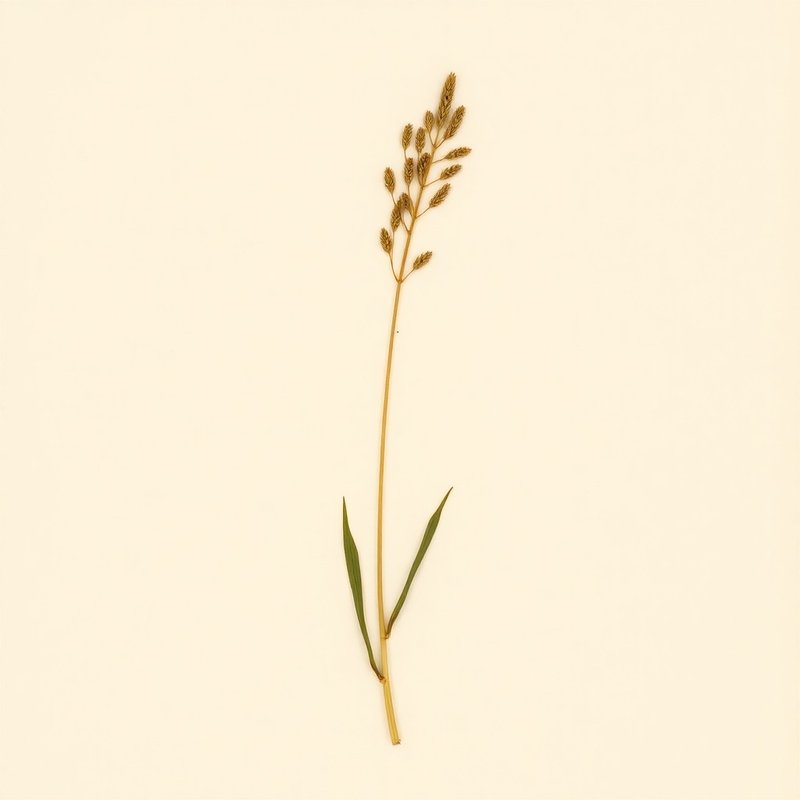
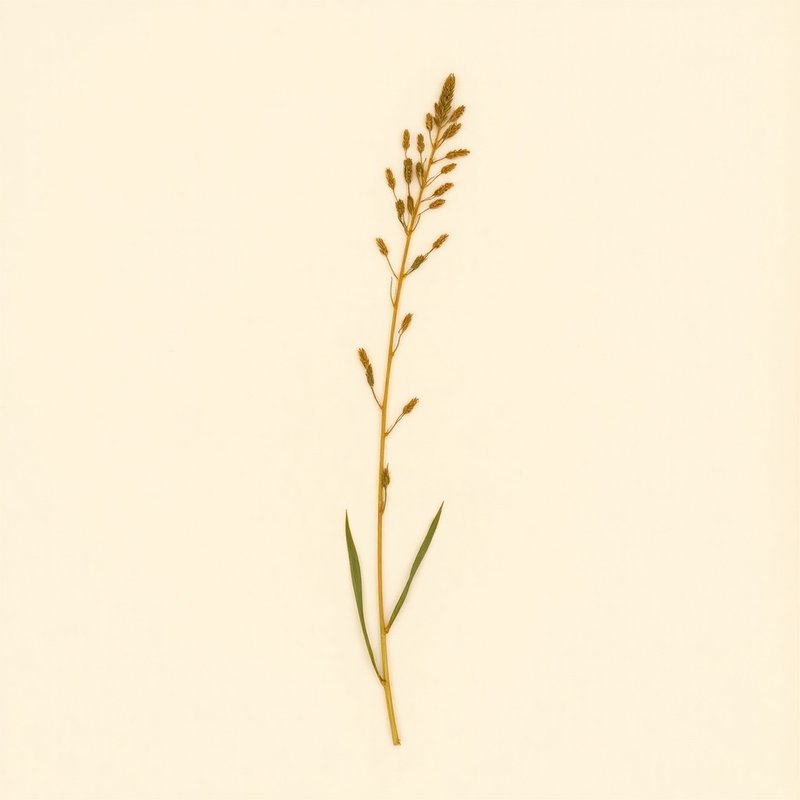
8 relatedPlants you might compare or use together — scored by shared family, common use cases, and growing requirements.

Explore further
About this entry
- Last updated
- Citation
- How to cite this entry · Submit a correction
Continue reading
Get archive updates
Occasional email when substantial new content lands — plant profiles, seasonal growing notes, folk-remedy additions. Free, no tracking, unsubscribe anytime.