
Auricula Tree
IOverview
Overview
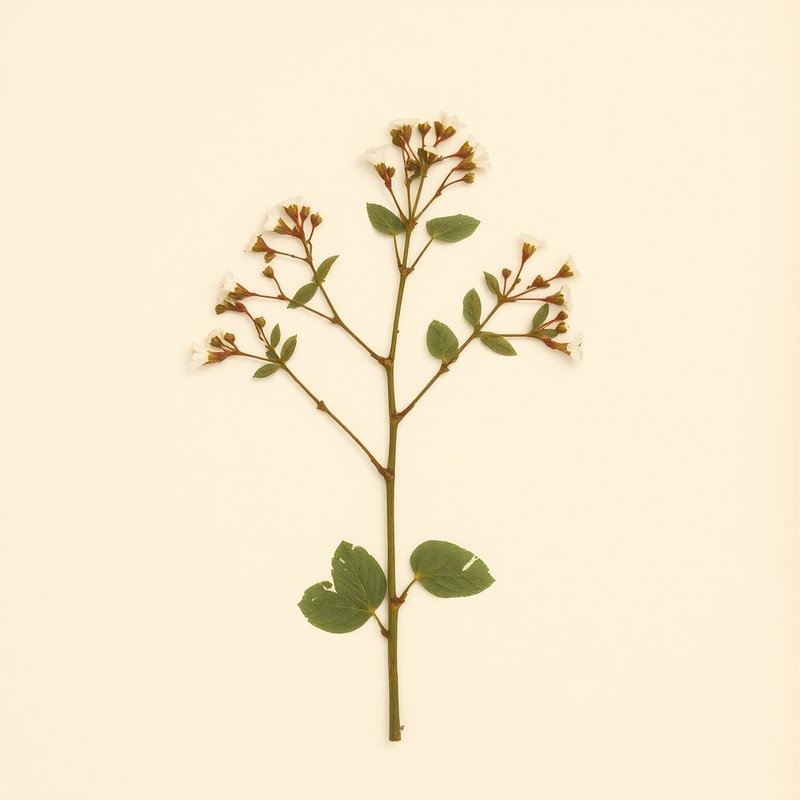
The Auricula Tree (Calotropis procera) is a shrub or small tree native to a wide range of regions including Afghanistan, Algeria, Assam, Bangladesh, and Benin, among others. It thrives in full sun to partial shade and can tolerate both dry and moist conditions, making it adaptable to various soil types ranging from light sandy to heavy clay. Known for its ornamental value and as a source of edible parts such as leaves, sap, and shoots, this tree is widely distributed across Africa, Asia, and the Middle East. One distinctive feature is its ability to grow in hardiness zones 8-11, reaching heights of up to 4 meters. The Auricula Tree is also valued for its utility in providing fire starter, textiles, dye, fiber, cover crop, roofing, soil conditioner, erosion control, weaving material, and even as a source of teeth and lumber. However, it is important to note that it has the potential to become a weed in introduced regions.
What is Auricula Tree?
The Auricula Tree (Calotropis procera) is a shrub or small tree native to a wide range of regions including Afghanistan, Algeria, Assam, Bangladesh, and Benin, among others.
VCultivation
Cultivation
How to grow Auricula Tree for the first time
Start with planting an Auricula Tree in a sunny spot, as it thrives in full to partial sun.
- 1
What you'll need
A young Auricula Tree sapling and well-draining soil.
- 2
Best time to plant
Plant the sapling during spring or early summer when temperatures are mild.
- 3
Soil and container prep
Ensure the soil is light, medium, or heavy with good drainage. Amend if necessary.
- 4
Sowing or transplanting
Transplant the sapling into a well-prepared garden bed or large pot.
- 5
First two weeks
Water sparingly but ensure the soil doesn't dry out completely. Monitor for pests and diseases.
- 6
Ongoing care
Provide full to partial sun, water when the soil feels dry, and prune as needed to maintain shape.
- 7
Harvest or pruning
Prune in late winter or early spring to encourage new growth and remove any dead branches.
- 8
Common mistakes
Overwatering, planting in heavy clay soil, neglecting sun exposure, and not providing enough space for the tree's growth.
VIEdible & utility
Edible & utility
VIIDistribution
60 native · 44 introduced
Distribution
60 native · 44 introducedIXSpecimen gallery
1 image
Specimen gallery
1 imageExplore further
About this entry
- Last updated
- Citation
- How to cite this entry · Submit a correction
Continue reading
Get archive updates
Occasional email when substantial new content lands — plant profiles, seasonal growing notes, folk-remedy additions. Free, no tracking, unsubscribe anytime.