
Sea Bindweed
IOverview
Overview
Sea Bindweed (Calystegia soldanella) is a perennial vine and herb that thrives in various environments, including Albania, Algeria, Bulgaria, and parts of Europe and Asia, as well as regions such as California, Chile, China, and New Zealand. Native to light to heavy soils with a pH range of 7-7.5, it can grow up to 0.6 meters tall and prefers moist conditions, making it adaptable within hardiness zones 5-9. This plant is known for its edible leaves and shoots, which can be prepared raw or cooked and are often used in salads or as a green vegetable. Sea Bindweed's light-loving nature (energetics rating: 9/10) makes it well-suited to gardens and natural settings where it can spread widely. Its distinctive purple flowers add ornamental value, making it a notable presence in cultivated spaces. Cultivation is straightforward; provide plenty of light and ensure the soil remains consistently moist but not waterlogged. Propagation can be achieved through seeds or cuttings. While Sea Bindweed is primarily used for its edible parts, caution should be exercised when handling any plant intended for consumption to avoid potential allergens or other sensitivities.
What is Sea Bindweed?
Sea Bindweed (Calystegia soldanella) is a perennial vine and herb that thrives in various environments, including Albania, Algeria, Bulgaria, and parts of Europe and Asia, as well as regions such as California, Chile, China, and New Zealand.
VCultivation
Cultivation
How to grow Sea Bindweed for the first time
Start with Sea Bindweed as a simple, low-maintenance perennial for your garden.
- 1
What you'll need
Seeds or young plants, a container or garden bed, good quality potting soil if planting in containers.
- 2
Best time to plant
Plant seeds indoors about 6-8 weeks before the last frost or directly outdoors after the danger of frost has passed.
- 3
Soil and container prep
Ensure the soil is well-draining, with a pH between 7 and 7.5. For containers, use a mix suitable for herbs and vegetables.
- 4
Sowing or transplanting
Direct sow seeds 1-2 cm deep in the garden bed or start them indoors in small pots before transplanting outdoors.
- 5
First two weeks
Keep soil consistently moist, especially during germination. Provide light shade to prevent sunburn on young plants.
- 6
Ongoing care
Water regularly but avoid overwatering. Mulch around the plant to retain moisture and suppress weeds. Prune occasionally to maintain shape.
- 7
Harvest or pruning
Prune vines as needed to control growth and encourage new shoots. Harvest young leaves and shoots for culinary use.
VIEdible & utility
Edible & utility
VIIDistribution
68 native · 0 introduced
Distribution
68 native · 0 introducedIXSpecimen gallery
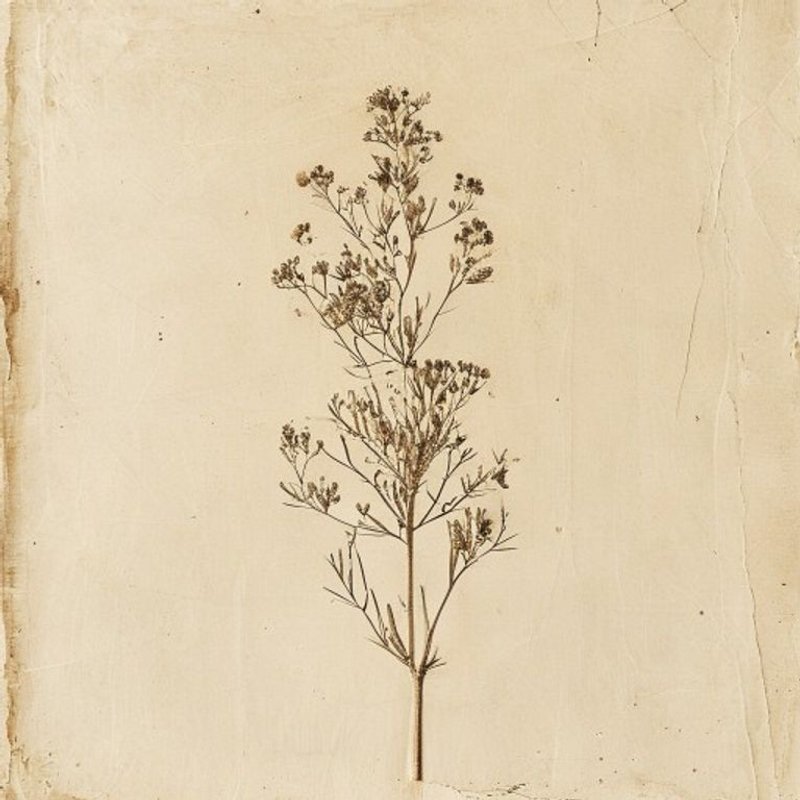
1 image
Specimen gallery
1 imageExplore further
About this entry
- Last updated
- Citation
- How to cite this entry · Submit a correction
Continue reading
Get archive updates
Occasional email when substantial new content lands — plant profiles, seasonal growing notes, folk-remedy additions. Free, no tracking, unsubscribe anytime.