
Quamash
Camassia quamash
Educational content — not medical, botanical, or professional advice. Plant identification, safety, and edibility depend on local conditions, cultivars, and correct identification. Consult a qualified botanist or forager before consuming or handling wild specimens. How we source & review →
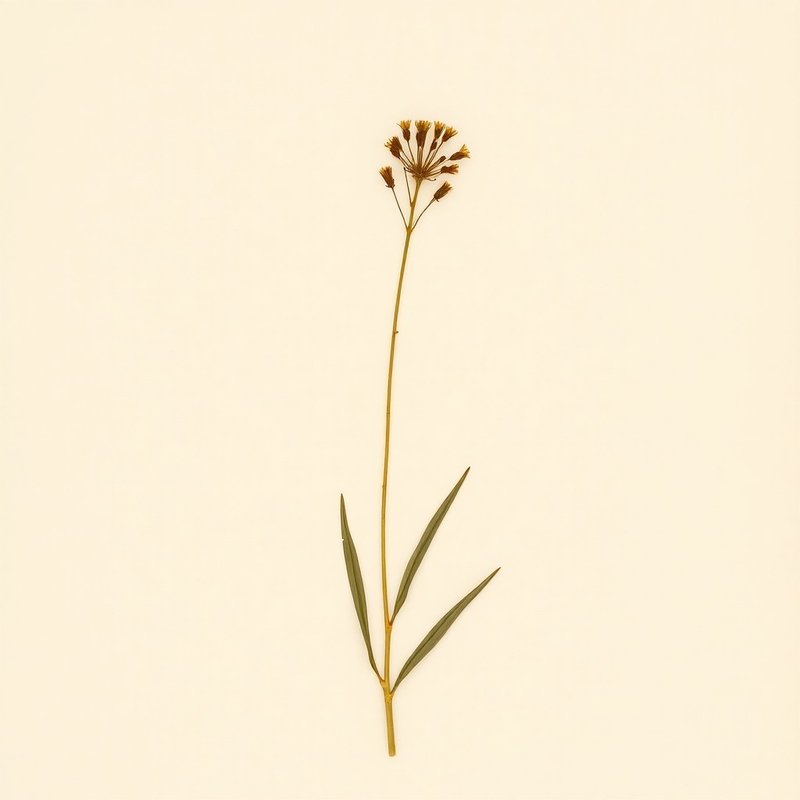
Pl. 6E7A — Camassia quamash
Camassia quamashCamassia quamashCamassia quamashCamassia quamashCamassia quamashCamassia quamashCamassia quamashCamassia quamashCamassia quamashCamassia quamashCamassia quamashCamassia quamashCamassia quamashCamassia quamash
IOverview
Overview
Quamash (Camassia quamash) is a flowering plant native to the western United States and Canada, found from Alberta and British Columbia in the north to California and Utah in the south. Known for its edible roots, which were an important food source for indigenous peoples, this plant thrives in moist environments with light to partial sun exposure. It grows up to 0.3 meters tall and is adaptable to a variety of soil types, including light (sandy), medium, and heavy (clay). The plant's light requirements range from full sun to partial shade, making it versatile for different garden settings. Its distinctive feature includes the attractive clusters of sky-blue to white flowers that bloom in early summer, adding ornamental value to landscapes while fulfilling its ecological role in native ecosystems.
Quick answers
What is Quamash?
Quamash (Camassia quamash) is a flowering plant native to the western United States and Canada, found from Alberta and British Columbia in the north to California and Utah in the south.
Growingconditions · propagation · uses
VCultivation
Cultivation
Quamash thrives in full to partial sun and prefers moist soil that is light (sandy), medium, or heavy (clay). It grows best in USDA Hardiness Zones 3-7 and can reach a height of about 0.3 meters. For optimal growth, maintain the soil pH between 5.7 and 7. Propagate via bulbs for successful cultivation.
Light
Full sun, Partial sun/shade
Water
Moist
Soil
Light (sandy), Medium, Heavy (clay)
Hardiness
3-7
Habit
Forb/herb
Mature size
0.3 m tall
Soil pH
5.7–7
For first-time growers
How to grow Quamash for the first time
8steps
Start with planting Quamash in a sunny spot and follow these simple steps for success.
- 1
What you'll need
Quamash bulbs, well-draining soil, a garden fork or trowel.
- 2
Best time to plant
Plant in fall after the first frost, around September to November.
- 3
Soil and container prep
Choose a location with light to partial sun. Amend soil with compost if needed.
- 4
Sowing or transplanting
Plant bulbs 5-10 cm deep and 15-20 cm apart in well-draining, moist soil.
- 5
First two weeks
Water regularly to keep the soil consistently moist but not waterlogged.
- 6
Ongoing care
Provide light watering during dry spells. Avoid overwatering, especially after flowering.
- 7
Harvest or pruning
After flowers fade, allow foliage to yellow and die back naturally before removing it.
- 8
Common mistakes
Planting too deep, not providing enough water, neglecting drainage, over-fertilizing, and removing foliage too early.
VIEdible & utility
Edible & utility
Edible parts:Root
Edible uses: The roots of quamash are edible and can be eaten raw or cooked. They are often boiled to make a starchy vegetable similar to potatoes. The roots can also be dried for later use. Skip the preparation details if you're just looking for basic information on consumption methods.
Contextrange · companions · related
VIIDistribution
10 native · 0 introduced
Distribution
10 native · 0 introducedDistribution across0 continents· 10 native
Broader regions
native:Alberta, British Columbia, California, Idaho, Montana, Nevada, Oregon, Utah, Washington, Wyoming
IXSpecimen gallery
1 image
Specimen gallery
1 imageXI
Explore further
Companion planting
Growing zone
XII
About this entry
- Last updated
- Citation
- How to cite this entry · Submit a correction
Back to the cataloguePlant id · 6e7a9a7e-e39b-494b-84ea-b2524b228945
Decision aid
Choosing between Quamash and something else?
Continue reading
❦❦❦❦
Endpaper · archive updates
Get archive updates
Occasional email when substantial new content lands — plant profiles, seasonal growing notes, folk-remedy additions. Free, no tracking, unsubscribe anytime.