
Fairies Thimbles
Campanula cochleariifolia
Educational content — not medical, botanical, or professional advice. Plant identification, safety, and edibility depend on local conditions, cultivars, and correct identification. Consult a qualified botanist or forager before consuming or handling wild specimens. How we source & review →
Garden journal pausedUse profile notes below
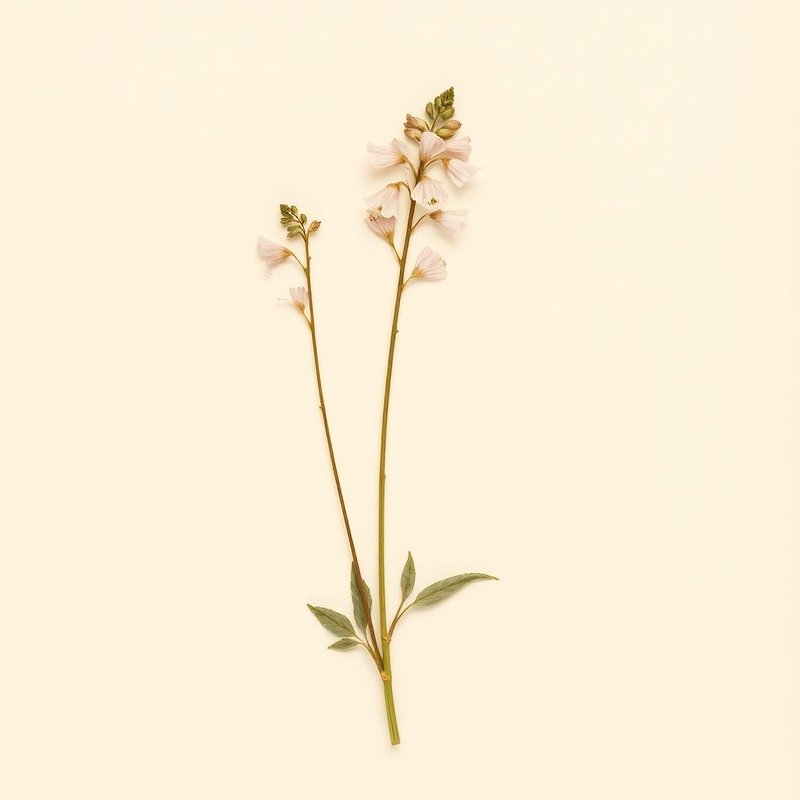
Pl. 83A7 — Campanula cochleariifolia
Campanula cochleariifoliaCampanula cochleariifoliaCampanula cochleariifoliaCampanula cochleariifoliaCampanula cochleariifoliaCampanula cochleariifoliaCampanula cochleariifoliaCampanula cochleariifoliaCampanula cochleariifoliaCampanula cochleariifoliaCampanula cochleariifoliaCampanula cochleariifoliaCampanula cochleariifoliaCampanula cochleariifolia
IOverview
Overview
Fairies Thimbles, scientifically known as Campanula cochleariifolia, is a perennial plant native to the mountainous regions of Italy and extending its range into Albania, Austria, Bulgaria, Czechoslovakia, France, and Germany. This plant thrives in full sun with moist, light (sandy) to medium soil, making it hardy in zones 5-9. Known for both its ornamental value and culinary uses, Fairies Thimbles are appreciated for their small, bell-shaped flowers that resemble tiny thimbles, hence the common name. The edible parts of this plant include the leaves and flowers, which can be added raw to salads for a mild flavor or prepared by boiling or steaming before consumption. These parts are typically enjoyed fresh or as part of traditional dishes in its native range. The flowers and leaves provide a unique touch to culinary creations, adding both color and subtle taste. Fairies Thimbles grow up to 0.2 meters tall and can be propagated through division or seed sowing. Their hardiness and adaptability make them suitable for gardens and landscapes where they can add a charming, whimsical element with their bell-shaped flowers. While not medicinal, Fairies Thimbles offer both ornamental and edible benefits, making them a valuable addition to any garden or kitchen.
Quick answers
What is Fairies Thimbles?
Fairies Thimbles, scientifically known as Campanula cochleariifolia, is a perennial plant native to the mountainous regions of Italy and extending its range into Albania, Austria, Bulgaria, Czechoslovakia, France, and Germany.
Growingconditions · propagation · uses
VCultivation
Cultivation
Fairies Thimbles thrive in full sun and prefer moist, well-draining soil that is light (sandy) or medium. They are hardy in zones 5-9 and can grow up to 0.2 meters tall. Propagate through division or seed sowing. The edible parts include the flowers and leaves, making this a versatile addition to both culinary and garden settings.
Light
Full sun
Water
Moist
Soil
Light (sandy), Medium
Hardiness
5-9
Life cycle
Perennial
Mature size
0.2 m tall
For first-time growers
How to grow Fairies Thimbles for the first time
8steps
Start with Fairies Thimbles by planting them in a sunny spot and following these simple steps.
- 1
What you'll need
Fairies Thimbles plants or seeds, small pots for starting seeds, compost, and a garden fork.
- 2
Best time to plant
Plant Fairies Thimbles in spring after the last frost or in fall before the first freeze.
- 3
Soil and container prep
Prepare soil that is light (sandy) to medium, well-draining, and slightly acidic. Ensure containers have drainage holes.
- 4
Sowing or transplanting
Start seeds indoors 6-8 weeks before the last frost date. Transplant seedlings outdoors after danger of frost has passed.
- 5
First two weeks
Water regularly to keep soil moist but not waterlogged. Protect young plants from strong winds and direct sun.
- 6
Ongoing care
Provide full sun for at least 6 hours a day. Water when the top inch of soil feels dry, especially in hot weather.
- 7
Harvest or pruning
Prune dead flowers to encourage more blooms and maintain plant shape. Cut back foliage if it becomes leggy.
- 8
Common mistakes
Overwatering, planting in heavy soil, not providing enough sunlight, neglecting to prune.
VIEdible & utility
Edible & utility
Edible parts:FlowersLeaves
Edible uses: Fairies Thimbles are eaten in their native range, where both the flowers and leaves are used. The flowers can be added raw to salads for a mild flavor, while the leaves are often prepared by boiling or steaming before consumption. These parts of the plant are typically enjoyed fresh or as part of traditional dishes.
Contextrange · companions · related
VIIDistribution
12 native · 1 introduced
Distribution
12 native · 1 introducedDistribution across1 continent· 12 native· 1 introduced
Europe11 regions
native (10)AlbaniaAustriaBulgariaFranceGermanyItalyPolandRomaniaSpainSwitzerland
introduced (1)Norway
Broader regions
native:Czechoslovakia, Yugoslavia
IXSpecimen gallery
1 image
Specimen gallery
1 imageXI
Explore further
Companion planting
Growing zone
XII
About this entry
- Last updated
- Citation
- How to cite this entry · Submit a correction
Back to the cataloguePlant id · 83a787fa-f8aa-4e8f-8aab-ce7ad740ba87
Decision aid
Choosing between Fairies Thimbles and something else?
Continue reading
❦❦❦❦
Endpaper · archive updates
Get archive updates
Occasional email when substantial new content lands — plant profiles, seasonal growing notes, folk-remedy additions. Free, no tracking, unsubscribe anytime.
Newsletter returning soon.
We are rebuilding the update list around a lightweight editorial workflow. New dispatches will resume after the next content review cycle.