
Achira
Canna edulis
Educational content — not medical, botanical, or professional advice. Plant identification, safety, and edibility depend on local conditions, cultivars, and correct identification. Consult a qualified botanist or forager before consuming or handling wild specimens. How we source & review →
Garden journal pausedUse profile notes below
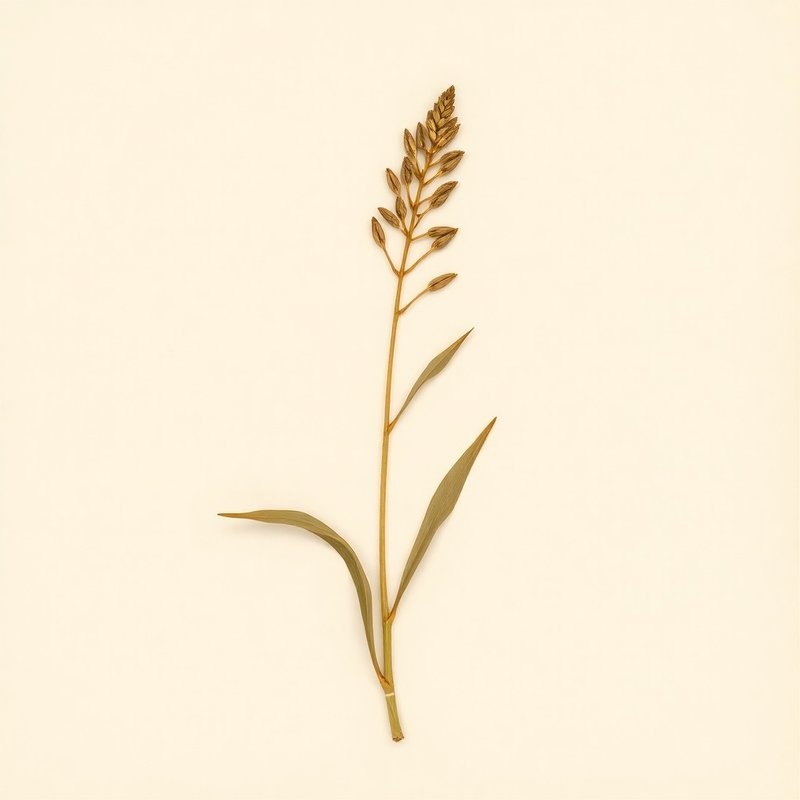
Pl. 296F — Canna edulis
Canna edulisCanna edulisCanna edulisCanna edulisCanna edulisCanna edulisCanna edulisCanna edulisCanna edulisCanna edulisCanna edulisCanna edulisCanna edulisCanna edulis
IOverview
Overview
Achira, scientifically known as Canna edulis, is a perennial herb or forb that thrives in full sun and moist conditions, with a preference for light to heavy soils. Native to a wide range of regions including parts of Central and South America, as well as the Caribbean, Achira has been cultivated for its edible leaves, roots, seeds, and shoots. This plant is native to areas such as Argentina, Brazil, Colombia, and Venezuela, and has been introduced to many other regions including parts of Africa, Asia, and Oceania. Its adaptability to various soil types and its height of up to 3 meters make it a versatile addition to gardens or landscapes in USDA hardiness zones 7-10. The edible parts of Achira, including leaves, roots, seeds, and shoots, are commonly consumed in various dishes, making it a valuable culinary and ornamental plant. This versatile plant can be propagated by seeds or divisions and is known for its utility in providing animal feed, mulch, and starch. While Achira is not traditionally used for medicinal purposes, its edible and ornamental value makes it a useful addition to gardens and landscapes.
Quick answers
What is Achira?
Achira, scientifically known as Canna edulis, is a perennial herb or forb that thrives in full sun and moist conditions, with a preference for light to heavy soils.
Growingconditions · propagation · uses
VCultivation
Cultivation
Achira thrives in full sun and requires moist soil that can be light (sandy), medium, or heavy (clay). It is hardy in zones 7-10 and can grow up to 3 meters tall. This perennial plant is propagated by seeds or divisions. Edible parts include the leaves, root, seed, and shoots, making it a versatile addition to the garden. Ensure the soil remains consistently moist for best growth.
Light
Full sun
Water
Moist
Soil
Light (sandy), Medium, Heavy (clay)
Hardiness
7-10
Life cycle
Perennial
Habit
Forb/herb
Mature size
3.0 m tall
For first-time growers
How to grow Achira for the first time
8steps
Achira is a forgiving plant for beginners, but it requires consistent moisture and full sun.
- 1
What you'll need
Seeds or young plants, potting soil, containers with drainage holes.
- 2
Best time to plant
Plant in spring after the last frost when temperatures are consistently above 15°C (60°F).
- 3
Soil and container prep
Use a well-draining potting mix. Containers should be at least 30 cm (12 inches) deep.
- 4
Sowing or transplanting
Direct sow seeds 2-3 cm (1 inch) deep, or transplant young plants into the soil.
- 5
First two weeks
Keep the soil consistently moist and place in a sunny location. Water daily until established.
- 6
Ongoing care
Water regularly to keep the soil moist but not waterlogged. Fertilize every 4-6 weeks with a balanced fertilizer.
- 7
Harvest or pruning
Prune dead leaves and spent flowers to maintain plant health, and harvest shoots for culinary use as needed.
- 8
Common mistakes
Overwatering, planting in heavy soil, neglecting to prune regularly, not providing enough sunlight.
VIEdible & utility
Edible & utility
Edible parts:LeavesRootSeedShoots
Edible uses: Achira is used for its various edible parts including leaves, roots, seeds, and shoots. The leaves can be eaten raw or cooked in dishes like soups and stews. Roots are often boiled or roasted. Seeds are typically ground into flour. Shoots are commonly consumed as a vegetable, either fresh or cooked.
Other uses:Animal feedMulchStarch
Contextrange · companions · related
VIIDistribution
42 native · 83 introduced
Distribution
42 native · 83 introducedDistribution across5 continents· 42 native· 83 introduced
Europe3 regions
introduced (3)AustriaPortugalSpain
Asia13 regions
introduced (13)BangladeshCambodiaChinaIndiaJapanLaosMyanmarNepalPhilippinesSri LankaTaiwanThailandVietnam
Americas23 regions
native (22)BahamasBelizeBoliviaColombiaCosta RicaCubaDominican RepublicEcuadorEl SalvadorFrench GuianaGuatemalaGuyanaHaitiHondurasJamaicaNicaraguaParaguayPeruPuerto RicoSurinameUruguayVenezuela
introduced (1)United States
Africa23 regions
introduced (23)AngolaBeninCabo VerdeChadComorosEquatorial GuineaEthiopiaGabonGambiaGuineaGuinea-BissauKenyaMadagascarMalawiMozambiqueNigeriaSenegalTanzaniaTogoTunisiaUgandaZambiaZimbabwe
Oceania5 regions
introduced (5)FijiNew CaledoniaSamoaTongaVanuatu
Broader regions
native:Argentina Northeast, Argentina Northwest, Brazil North, Brazil Northeast, Brazil South, Brazil Southeast, Brazil West-Central, Florida, Leeward Is., Louisiana, Mexico Central, Mexico Gulf, Mexico Northeast, Mexico Southeast, Mexico Southwest, Panamá, South Carolina, Texas, Trinidad-Tobago, Windward Is.
introduced:Alabama, Andaman Is., Arkansas, Ascension, Bermuda, Bismarck Archipelago, Caroline Is., Central African Repu, Christmas I., Cook Is., East Himalaya, Galápagos, Gilbert Is., Gulf of Guinea Is., Hainan, Jawa, Juan Fernández Is., Malaya, Marquesas, New South Wales, Norfolk Is., Ogasawara-shoto, Pitcairn Is., Queensland, Santa Cruz Is., Society Is., Solomon Is., Southwest Caribbean, St.Helena, Tuamotu, Tubuai Is., Wallis-Futuna Is., Zaïre
IXSpecimen gallery
1 image
Specimen gallery
1 imageXI
Explore further
Companion planting
Growing zone
XII
About this entry
- Last updated
- Citation
- How to cite this entry · Submit a correction
Back to the cataloguePlant id · 296fd6d0-d78f-4bdb-8505-21882e32f81b
Decision aid
Choosing between Achira and something else?
Continue reading
❦❦❦❦
Endpaper · archive updates
Get archive updates
Occasional email when substantial new content lands — plant profiles, seasonal growing notes, folk-remedy additions. Free, no tracking, unsubscribe anytime.
Newsletter returning soon.
We are rebuilding the update list around a lightweight editorial workflow. New dispatches will resume after the next content review cycle.