
Skip to content
IIIFolio · plant profile№ DB4Aedible
Data provenancePermapeopleTrefleWikipediaPFAFPOWOreviewed 17 Oct 2026methodology → read
Home/Plants/Cannaceae

Louisiana Canna

Canna glaucafam. Cannaceae
Educational content — not medical, botanical, or professional advice. Plant identification, safety, and edibility depend on local conditions, cultivars, and correct identification. Consult a qualified botanist or forager before consuming or handling wild specimens. How we source & review →
edibleperennialedibleedible rootnative amornamentalperennial
Updated·Quick Q&A →
Garden journal pausedUse profile notes below
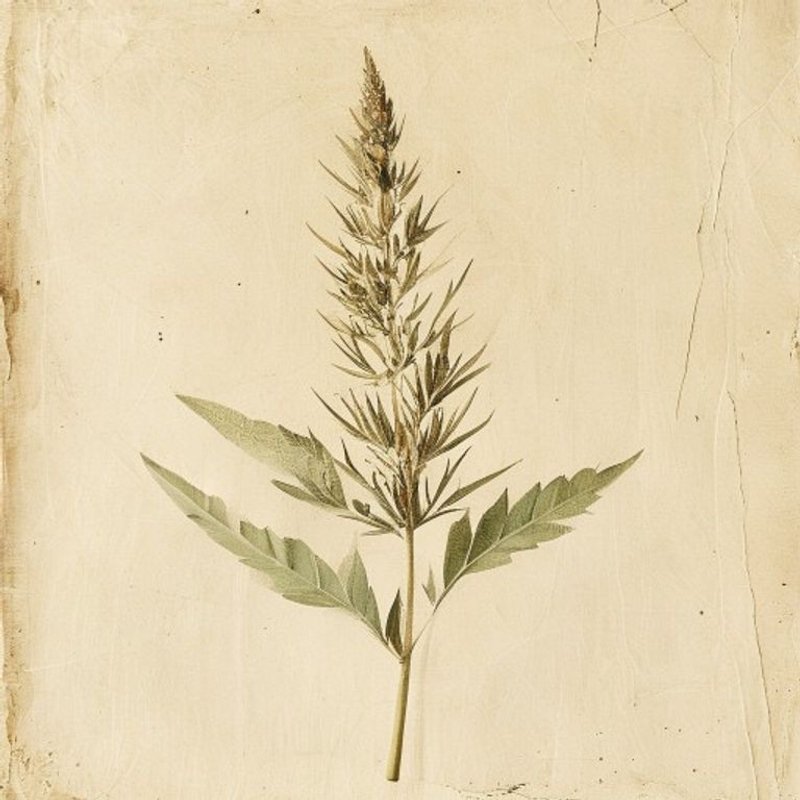
Canna glauca (Louisiana Canna) — botanical photograph
Pl. DB4A — Canna glauca
Canna glaucaCanna glaucaCanna glaucaCanna glaucaCanna glaucaCanna glaucaCanna glaucaCanna glaucaCanna glaucaCanna glaucaCanna glaucaCanna glaucaCanna glaucaCanna glauca
I

Overview

The Louisiana Canna (Canna glauca), a perennial forb or herb, is native to a wide range of regions stretching from the southeastern United States through Central and South America. This plant thrives in environments with moist, light to medium soil types, including sandy, loamy, and clay soils, and requires full sun exposure. It can grow up to 1.5 meters tall and is hardy in zones 9-11, making it suitable for gardens and landscapes in these conditions. The Louisiana Canna is valued for both its ornamental and edible qualities. Its attractive foliage and vibrant appearance make it a popular choice for gardens and landscapes. Additionally, the plant's roots and fruits are edible. Roots can be eaten raw or cooked, while the fruits are often used in jams or dried for later use. The plant's adaptability and hardiness in various soil types and climates make it a versatile addition to gardens and landscapes. While the Louisiana Canna is not known for medicinal uses, its edible parts provide a valuable resource for those seeking to incorporate native plants into their culinary practices. However, it is important to exercise caution and ensure proper identification before consuming any wild plant.

Quick answers

What is Louisiana Canna?

The Louisiana Canna (Canna glauca), a perennial forb or herb, is native to a wide range of regions stretching from the southeastern United States through Central and South America.

Growingconditions · propagation · uses
V

Cultivation

The Louisiana Canna thrives in full sun and requires moist soil that can be light (sandy), medium, or heavy (clay). It is hardy in zones 9-11, making it suitable for warmer climates. This perennial can grow up to 1.5 meters tall and produces edible roots and fruits. For propagation, gardeners can use rhizomes, which are easy to divide and grow. Ensure the soil remains consistently moist to support healthy growth.
Light
Full sun
Water
Moist
Soil
Light (sandy), Medium, Heavy (clay)
Hardiness
9-11
Life cycle
Perennial
Habit
Forb/herb
Mature size
1.5 m tall
For first-time growers

How to grow Louisiana Canna for the first time

8steps

Start with Louisiana Canna as a simple, low-maintenance perennial for your garden.

  1. 1

    What you'll need

    Seeds or young plants, gardening gloves, trowel.

  2. 2

    Best time to plant

    Plant in spring after the last frost, when soil is warm.

  3. 3

    Soil and container prep

    Choose a location with full sun. Ensure well-draining soil; amend if necessary.

  4. 4

    Sowing or transplanting

    Direct sow seeds 1-2 inches deep. Transplant young plants, spacing them about 3 feet apart.

  5. 5

    First two weeks

    Water regularly to keep the soil moist but not waterlogged. Monitor for pests and diseases.

  6. 6

    Ongoing care

    Provide consistent moisture; avoid overwatering. Fertilize every few months with a balanced fertilizer.

  7. 7

    Harvest or pruning

    Prune spent flowers to encourage more blooms. Cut back foliage in late fall if not perennial in your area.

  8. 8

    Common mistakes

    Overwatering, planting too deep, neglecting to prune.

VI

Edible & utility

Edible parts:FruitRoot
Edible uses: The Louisiana Canna's root and fruit are edible. Roots can be eaten raw or cooked, while the fruits are often used in jams or dried for later use. The plant thrives in moist, light to medium soil and full sun, making it suitable for gardens with similar conditions.
Contextrange · companions · related
VII

Distribution

39 native · 6 introduced
Distribution across2 continents· 39 native· 6 introduced
Asia4 regions
introduced (4)PhilippinesSri LankaThailandVietnam
Americas20 regions
native (20)BoliviaColombiaCosta RicaCubaDominican RepublicEcuadorEl SalvadorFrench GuianaGuatemalaGuyanaHaitiHondurasJamaicaNicaraguaParaguayPeruPuerto RicoSurinameUruguayVenezuela
Broader regions
native:Argentina Northeast, Argentina Northwest, Bermuda, Brazil North, Brazil Northeast, Brazil South, Brazil Southeast, Brazil West-Central, Florida, Leeward Is., Louisiana, Mexico Gulf, Mexico Southeast, Mexico Southwest, Panamá, South Carolina, Texas, Trinidad-Tobago, Windward Is.
introduced:Alabama, Jawa
IX

Specimen gallery

1 image
Canna glauca (Louisiana Canna) — botanical photograph
Louisiana Canna (Canna glauca)
XI

Explore further

XII

About this entry

Last updated
Citation
How to cite this entry · Submit a correction
Back to the cataloguePlant id · db4a0ae6-14aa-449a-be1a-05051290af5c
Decision aid
Choosing between Louisiana Canna and something else?
Compare with another plant

Continue reading

❦❦❦❦
Endpaper · archive updates

Get archive updates

Occasional email when substantial new content lands — plant profiles, seasonal growing notes, folk-remedy additions. Free, no tracking, unsubscribe anytime.

Newsletter returning soon.
We are rebuilding the update list around a lightweight editorial workflow. New dispatches will resume after the next content review cycle.
iCare notes