
Indian Shot
IOverview
Overview
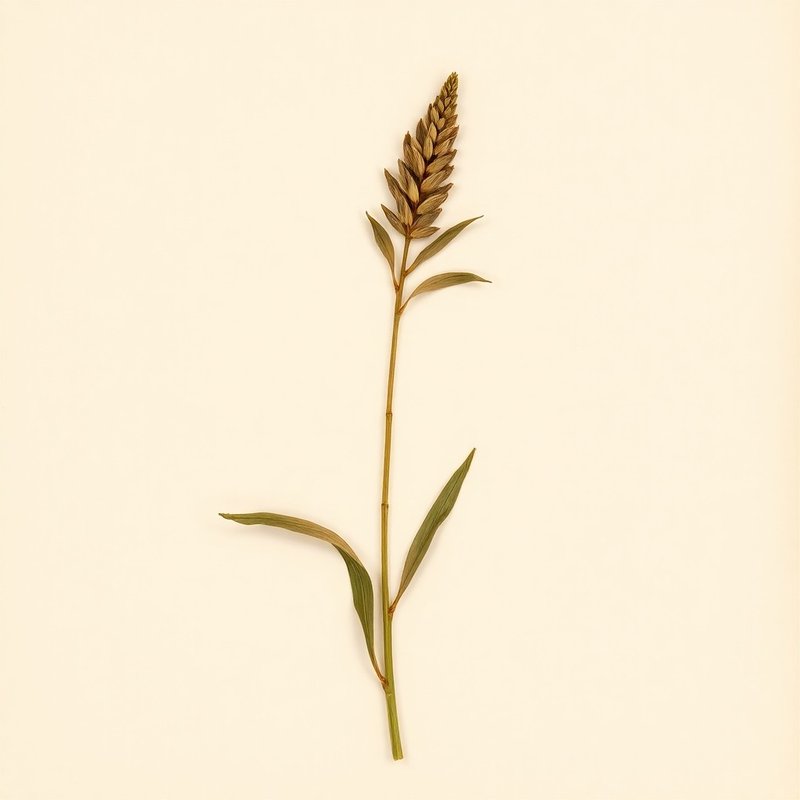
Indian Shot (Canna indica) is a perennial herb that thrives in full sun and moist conditions, making it adaptable to various soil types including light sandy, medium, and heavy clay soils. Native to regions like Argentina, Brazil, Bolivia, and parts of Central America, this plant has spread across much of the Americas and into Florida and Texas. Known for its edible roots and fruits, Indian Shot can grow up to 1.5 meters tall and is often used in ornamental gardens due to its striking appearance. Its light requirement and hardiness range from zones 7-10 make it a versatile choice for gardeners looking to add a tropical touch to their landscapes. The plant's roots and fruits are edible, with the roots being cooked or dried and the fruits typically eaten raw. Both parts contribute a unique flavor to dishes, making Indian Shot a valuable addition to gardens where its ornamental value and culinary uses can be appreciated. While primarily used for its aesthetic appeal and as a dye and fiber source, it is also known for pest control in some contexts. Indian Shot's adaptability makes it suitable for cultivation in regions with similar climates, from Central America to parts of the Caribbean and beyond. Its introduction into numerous countries across Asia, Africa, and Oceania highlights its widespread acceptance and use.
What is Indian Shot?
Indian Shot (Canna indica) is a perennial herb that thrives in full sun and moist conditions, making it adaptable to various soil types including light sandy, medium, and heavy clay soils.
VCultivation
Cultivation
How to grow Indian Shot for the first time
Start with Indian Shot as a simple, low-maintenance perennial for your garden.
- 1
What you'll need
Indian Shot bulbs or seeds, potting mix, containers or garden space.
- 2
Best time to plant
Plant in spring after the last frost when temperatures are consistently above 15°C (60°F).
- 3
Soil and container prep
Use well-draining soil with a mix of light, medium, or heavy texture. Ensure containers have drainage holes.
- 4
Sowing or transplanting
Plant bulbs 5-10 cm deep in the garden or pots. For seeds, sow them 2-3 cm deep and cover lightly.
- 5
First two weeks
Keep soil moist but not waterlogged. Place containers in a sunny spot to encourage growth.
- 6
Ongoing care
Water regularly, especially during dry spells. Fertilize every 4-6 weeks with a balanced fertilizer.
- 7
Harvest or pruning
Prune dead leaves and spent flowers to maintain the plant's appearance and encourage new growth.
- 8
Common mistakes
Overwatering, planting in heavy clay soil, neglecting to prune, and not providing enough sunlight.
VIEdible & utility
Edible & utility
VIIDistribution
42 native · 83 introduced
Distribution
42 native · 83 introducedIXSpecimen gallery
1 image
Specimen gallery
1 imageExplore further
About this entry
- Last updated
- Citation
- How to cite this entry · Submit a correction
Continue reading
Get archive updates
Occasional email when substantial new content lands — plant profiles, seasonal growing notes, folk-remedy additions. Free, no tracking, unsubscribe anytime.