
Siberian pea shrub
IOverview
Overview
The Siberian pea shrub (Caragana arborescens), a perennial tree or shrub native to regions including Altay, Buryatiya, Irkutsk, Kazakhstan, and others, is well-adapted to various environments across Asia and parts of Europe. This plant thrives in light to medium soil types with a pH range between 5 and 8.5, making it versatile for different growing conditions. It can tolerate both dry and moist soils, withstanding moderate water requirements. The Siberian pea shrub prefers full sun exposure, with its growth habit characterized by a relatively narrow width compared to its height, reaching up to 6 meters tall. One of the notable features of this plant is its edible properties; it produces seeds and seedpods that can be consumed. Its adaptability extends beyond its native range, as it has been introduced into various locations such as California, Colorado, France, and parts of Europe and North America. The Siberian pea shrub's hardiness ranges from zones 2 to 7, making it a resilient species in temperate climates. This plant serves multiple purposes, including nitrogen fixation, erosion control, and acting as a windbreaker or hedgerow. Its ability to thrive in diverse conditions and its edible seeds make the Siberian pea shrub a valuable addition to gardens and landscapes where hardiness and functionality are desired.
What is Siberian pea shrub?
The Siberian pea shrub (Caragana arborescens), a perennial tree or shrub native to regions including Altay, Buryatiya, Irkutsk, Kazakhstan, and others, is well-adapted to various environments across Asia and parts of Europe. This plant thrives in light to medium soil types with a pH range between 5 and 8.
VCultivation
Cultivation
How to grow Siberian pea shrub for the first time
Start with planting Siberian pea shrub in your garden for a low-maintenance, hardy addition.
- 1
What you'll need
Siberian pea shrub seeds or young plants, a trowel, and mulch.
- 2
Best time to plant
Plant in early spring or late fall when the soil is workable but not too wet.
- 3
Soil and container prep
Ensure the soil is well-draining with a pH between 5 and 8.5, and prepare a hole twice as wide as the root ball.
- 4
Sowing or transplanting
Direct sow seeds in late fall for natural stratification or start young plants indoors 6-8 weeks before outdoor planting.
- 5
First two weeks
Water regularly to keep the soil moist but not waterlogged, and mulch around the base to retain moisture.
- 6
Ongoing care
Water deeply once a week during dry spells, prune in late winter to maintain shape, and apply a thin layer of compost annually.
- 7
Harvest or pruning
Prune in late winter to remove dead wood and encourage new growth; seeds can be harvested after pods turn brown.
- 8
Common mistakes
Overwatering, planting in heavy soil, neglecting winter protection in colder zones, not providing enough space for growth.
VIEdible & utility
Edible & utility
VIIDistribution
12 native · 35 introduced
Distribution
12 native · 35 introducedIXSpecimen gallery
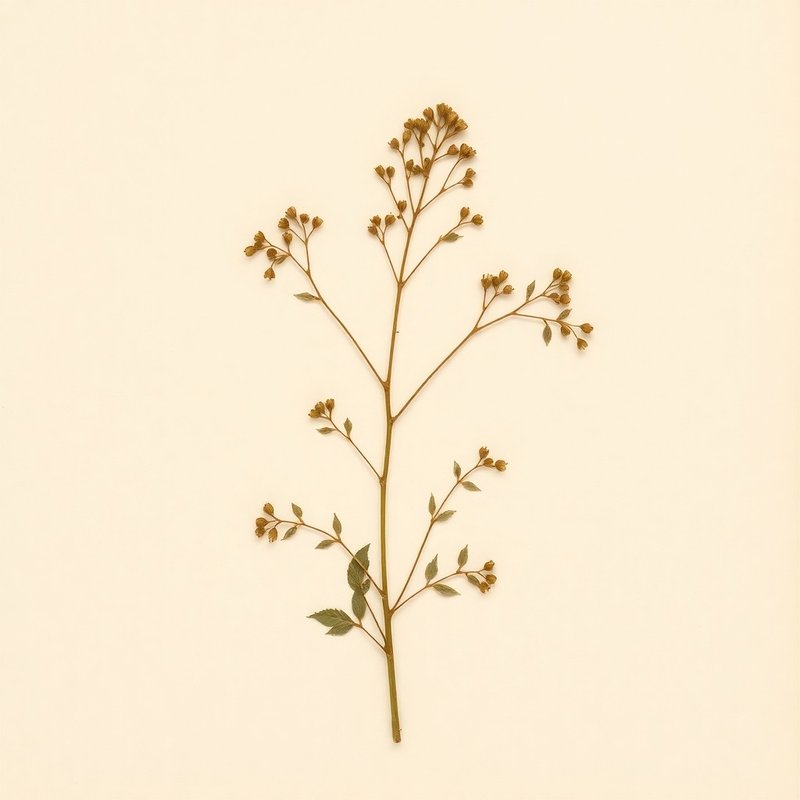
1 image
Specimen gallery
1 imageExplore further
About this entry
- Last updated
- Citation
- How to cite this entry · Submit a correction
Continue reading
Get archive updates
Occasional email when substantial new content lands — plant profiles, seasonal growing notes, folk-remedy additions. Free, no tracking, unsubscribe anytime.