
Sedge
Carex utriculata
Educational content — not medical, botanical, or professional advice. Plant identification, safety, and edibility depend on local conditions, cultivars, and correct identification. Consult a qualified botanist or forager before consuming or handling wild specimens. How we source & review →
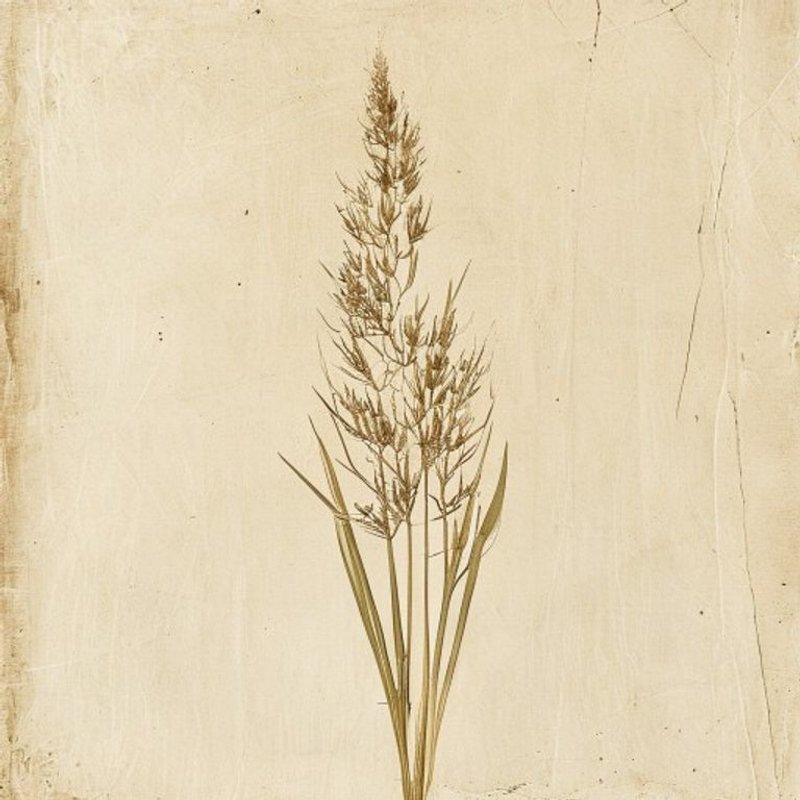
Pl. ABFE — Carex utriculata
Carex utriculataCarex utriculataCarex utriculataCarex utriculataCarex utriculataCarex utriculataCarex utriculataCarex utriculataCarex utriculataCarex utriculataCarex utriculataCarex utriculataCarex utriculataCarex utriculata
IOverview
Overview
Sedge (Carex utriculata) is a perennial graminoid known for its adaptability and widespread distribution across North America, Asia, and Europe. Native to regions including Alaska, Alberta, Arizona, and parts of Siberia, this plant thrives in wet environments such as marshes and along waterways. It can tolerate various soil types from light sandy to heavy clay, with a preferred pH range of 5.7 to 7.7. Sedge is valued for its edible parts, including the root, seed, and stem, which can be harvested throughout the year. Its distinctive feature lies in its ability to grow in both full sun and partial shade, making it a versatile addition to gardens or natural landscapes.
Quick answers
What is Sedge?
Sedge (Carex utriculata) is a perennial graminoid known for its adaptability and widespread distribution across North America, Asia, and Europe. Native to regions including Alaska, Alberta, Arizona, and parts of Siberia, this plant thrives in wet environments such as marshes and along waterways.
Growingconditions · propagation · uses
VCultivation
Cultivation
Sedge thrives in full to partial sun and requires wet conditions, making it ideal for bog gardens or areas with high moisture. It prefers light (sandy), medium, or heavy (clay) soils with a pH between 5.7 and 7.7. This perennial grows up to 1.2 meters tall and can be propagated through roots, seeds, or stems. Given its native range across various temperate regions, it is generally hardy in these areas but may require protection in colder climates.
Light
Full sun, Partial sun/shade
Water
Wet, Water
Soil
Light (sandy), Medium, Heavy (clay)
Life cycle
Perennial
Habit
Graminoid
Mature size
1.2 m tall
Soil pH
5.7–7.7
For first-time growers
How to grow Sedge for the first time
8steps
Start with a simple sedge planting to gain experience in basic gardening.
- 1
What you'll need
Sedge plants or seeds, garden tools like a trowel and rake.
- 2
Best time to plant
Plant in spring after the last frost or fall before the first freeze.
- 3
Soil and container prep
Choose a location with moist soil; amend soil with compost if needed. Ensure good drainage.
- 4
Sowing or transplanting
Direct sow seeds in the ground or start them indoors 4-6 weeks before planting outside. Transplant young plants carefully.
- 5
First two weeks
Water regularly to keep soil moist but not waterlogged. Monitor for pests and diseases.
- 6
Ongoing care
Provide consistent moisture, especially during dry spells. Fertilize sparingly with a balanced fertilizer if needed.
- 7
Harvest or pruning
Prune dead foliage to maintain plant health; harvest stems for culinary use in late summer or early fall.
- 8
Common mistakes
Overwatering, planting in poor drainage, neglecting regular watering during dry periods.
VIEdible & utility
Edible & utility
Edible parts:RootSeedStem
Edible uses: The sedge plant is edible and can be consumed in various forms. The root, stem, and seed are all usable parts. Roots and stems can be eaten raw or cooked, while seeds may be ground into flour or used as a grain substitute. Skip the preparation details to maintain brevity.
Contextrange · companions · related
VIIDistribution
30 native · 0 introduced
Distribution
30 native · 0 introducedDistribution across3 continents· 30 native
Europe3 regions
native (3)BelarusFinlandRussia
Asia3 regions
native (3)ChinaJapanSouth Korea
Americas1 region
native (1)United States
Broader regions
native:Massachusetts, Alberta, Altay, Arizona, Baltic States, California, Colorado, Connecticut, Czechoslovakia, Idaho, Illinois, Indiana, Kamchatka, Khabarovsk, Krasnoyarsk, Kuril Is., Labrador, Magadan, Maine, Manitoba, Maryland, Mexico Northeast
IXSpecimen gallery
1 image
Specimen gallery
1 imageXI
Explore further
Companion planting
XII
About this entry
- Last updated
- Citation
- How to cite this entry · Submit a correction
Back to the cataloguePlant id · abfe0621-3ec8-4deb-9783-41d3dbf3b02f
Decision aid
Choosing between Sedge and something else?
Continue reading
❦❦❦❦
Endpaper · archive updates
Get archive updates
Occasional email when substantial new content lands — plant profiles, seasonal growing notes, folk-remedy additions. Free, no tracking, unsubscribe anytime.