
Papaya
Carica papayafam. Caricaceae
Educational content — not medical, botanical, or professional advice. Plant identification, safety, and edibility depend on local conditions, cultivars, and correct identification. Consult a qualified botanist or forager before consuming or handling wild specimens. How we source & review →
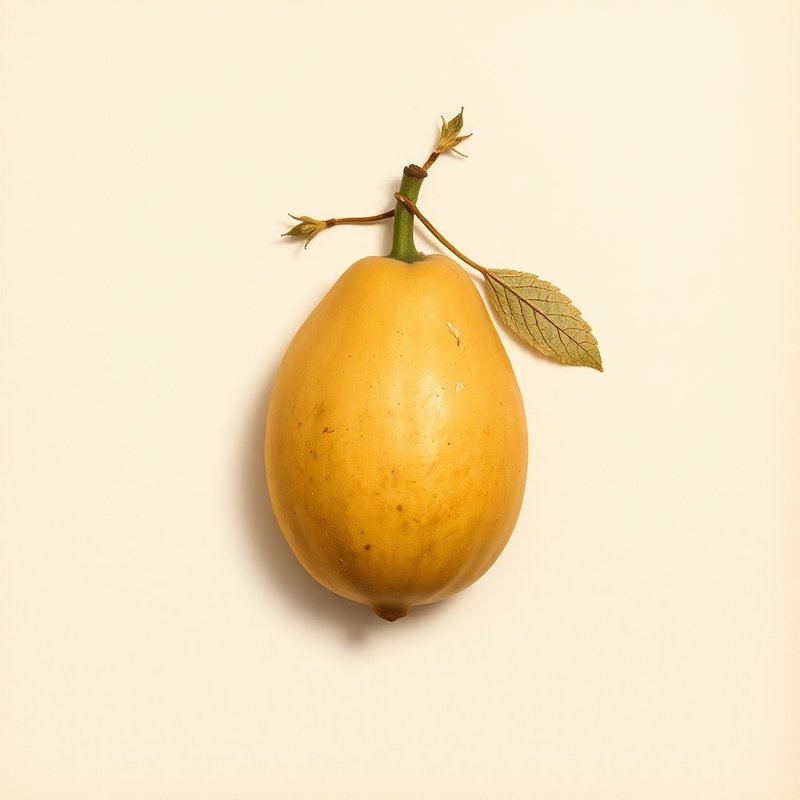
Pl. 7ABF — Carica papaya
Carica papayaCarica papayaCarica papayaCarica papayaCarica papayaCarica papayaCarica papayaCarica papayaCarica papayaCarica papayaCarica papayaCarica papayaCarica papayaCarica papaya
IOverview
Overview
Papaya (Carica papaya) is a tropical fruit tree native to the Americas, including countries such as Mexico, Belize, and Guatemala. This small to medium-sized tree grows up to 10-15 feet tall with a single stem and large, lobed leaves. Known for its edible parts—flowers, fruit, leaves, and seeds—papaya is widely cultivated for its nutritious fruits. It thrives in full sun, moist soil that can be light (sandy), medium, or heavy (clay), and prefers a pH range of 5 to 8. Hardy in zones 9-12, papaya trees are both ornamental and useful, making them a popular choice for gardens and landscapes.
Quick answers
What is Papaya?
Papaya (Carica papaya) is a tropical fruit tree native to the Americas, including countries such as Mexico, Belize, and Guatemala. This small to medium-sized tree grows up to 10-15 feet tall with a single stem and large, lobed leaves.
Growingconditions · propagation · uses
VCultivation
Cultivation
Papaya thrives in full sun and requires moist but well-draining soil that can be light (sandy), medium, or heavy (clay). It is hardy in zones 9-12, making it suitable for tropical climates. The tree grows to a height of 8 meters and produces large, lobed leaves. For propagation, seeds can be sown directly into the ground after stratification or started indoors under controlled conditions. Flowers, fruit, leaves, and seeds are all edible parts of the plant.
Light
Full sun
Water
Moist
Soil
Light (sandy), Medium, Heavy (clay)
Hardiness
9-12
Habit
Tree, Shrub
Mature size
8.0 m tall
Soil pH
5–8
For first-time growers
How to grow Papaya for the first time
7steps
Start with a papaya tree for the easiest beginner approach.
- 1
What you'll need
A papaya sapling, well-draining soil, and a large container or garden space.
- 2
Best time to plant
Plant in spring when temperatures are consistently above 60°F (15°C) and there is no risk of frost.
- 3
Soil and container prep
Use a well-draining potting mix with plenty of organic matter. Ensure the container has drainage holes if planting in a pot.
- 4
Sowing or transplanting
Transplant a papaya sapling into your prepared soil, making sure not to bury the stem too deep.
- 5
First two weeks
Water regularly to keep the soil moist but not waterlogged. Place in a sunny spot and avoid direct sunlight for the first few days.
- 6
Ongoing care
Provide full sun, regular watering, and occasional feeding with a balanced fertilizer. Prune any dead or damaged leaves as needed.
- 7
Harvest or pruning
Prune to remove dead leaves and branches. Harvest fruit when it turns yellow-green and feels slightly soft to the touch.
VIEdible & utility
Edible & utility
Edible parts:FlowersFruitLeavesSeed
Edible uses: Condiment, Drink
Other uses:FiberPest controlMulchSoap
Contextrange · companions · related
VIIDistribution
12 native · 18 introduced
Distribution
12 native · 18 introducedDistribution across3 continents· 12 native· 18 introduced
Asia3 regions
introduced (3)BangladeshCambodiaIndia
Americas10 regions
native (8)BelizeColombiaCosta RicaEl SalvadorGuatemalaHondurasNicaraguaVenezuela
introduced (2)BahamasBolivia
Africa4 regions
introduced (4)AngolaBeninBurundiCameroon
Broader regions
native:Panamá, Mexico Southwest, Mexico Southeast, Mexico Gulf
introduced:Argentina Northeast, Brazil Southeast, Brazil South, Brazil North, Bermuda, Brazil West-Central, Ascension, Argentina Northwest, Andaman Is.
IXSpecimen gallery
1 image
Specimen gallery
1 imageXI
Explore further
Companion planting
Growing zone
XII
About this entry
- Last updated
- Citation
- How to cite this entry · Submit a correction
Back to the cataloguePlant id · 7abfed1c-4e3d-41fd-bc62-159c955ad540
Decision aid
Choosing between Papaya and something else?
Continue reading
❦❦❦❦
Endpaper · archive updates
Get archive updates
Occasional email when substantial new content lands — plant profiles, seasonal growing notes, folk-remedy additions. Free, no tracking, unsubscribe anytime.