
Panama Hat Plant
Carludovica palmata
Educational content — not medical, botanical, or professional advice. Plant identification, safety, and edibility depend on local conditions, cultivars, and correct identification. Consult a qualified botanist or forager before consuming or handling wild specimens. How we source & review →
Garden journal pausedUse profile notes below
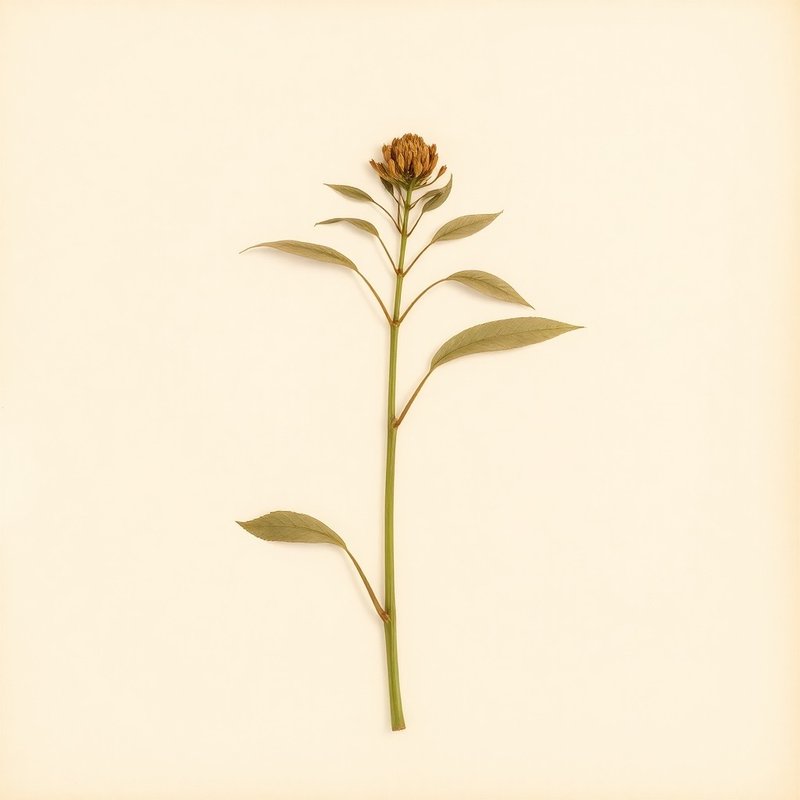
Pl. 38BB — Carludovica palmata
Carludovica palmataCarludovica palmataCarludovica palmataCarludovica palmataCarludovica palmataCarludovica palmataCarludovica palmataCarludovica palmataCarludovica palmataCarludovica palmataCarludovica palmataCarludovica palmataCarludovica palmataCarludovica palmata
IOverview
Overview
The Panama Hat Plant (Carludovica palmata) is a perennial forb or herb native to Central and South America, including countries such as Belize, Bolivia, Brazil North, Colombia, Costa Rica, Ecuador, El Salvador, Guatemala, Honduras, Mexico Gulf, Mexico Southeast, Nicaragua, Panamá, Peru, and Venezuela. Known for its edible parts—flowers, fruit, leaves, roots, and shoots—the plant thrives in moist conditions with a preference for light to partial sun. It can be found growing in various soil types, including light (sandy), medium, and heavy (clay). This adaptable species reaches a height of 2 meters and is hardy within USDA zones 10-12. In its native range, the Panama Hat Plant serves multiple purposes. Its edible parts provide a valuable resource for local communities, with flowers, fruit, leaves, roots, and shoots all being utilized as condiments or in various culinary applications. Additionally, the plant has significant cultural importance due to its use in crafting and weaving materials, particularly in the production of Panama hats. However, it is important to note that this plant can exhibit weed potential when introduced into new areas. The Panama Hat Plant's ability to grow in diverse habitats makes it a versatile species for cultivation. It thrives in full to partial sun and prefers moist soil types, making it suitable for gardens and landscapes within its hardiness zone range. For propagation, gardeners can use root cuttings or division methods. While primarily valued for its edible and crafting uses, the plant should be managed carefully due to its potential to become invasive when introduced outside of its native regions.
Quick answers
What is Panama Hat Plant?
The Panama Hat Plant (Carludovica palmata) is a perennial forb or herb native to Central and South America, including countries such as Belize, Bolivia, Brazil North, Colombia, Costa Rica, Ecuador, El Salvador, Guatemala, Honduras, Mexico Gulf, Mexico Southeast, Nicaragua, Panamá, Peru, and Venezuela.
Growingconditions · propagation · uses
VCultivation
Cultivation
The Panama Hat Plant thrives in full to partial sun and prefers moist soil that is light (sandy), medium, or heavy (clay). It grows well in zones 10-12, making it suitable for warm climates. This perennial can reach a height of 2 meters and is adaptable to various growing conditions. For propagation, gardeners can use root cuttings or division methods. Harvest edible parts such as flowers, fruit, leaves, roots, and shoots throughout the year.
Light
Full sun, Partial sun/shade
Water
Moist
Soil
Light (sandy), Medium, Heavy (clay)
Hardiness
10-12
Life cycle
Perennial
Habit
Forb/herb
Mature size
2.0 m tall
For first-time growers
How to grow Panama Hat Plant for the first time
8steps
Start with a simple Panama Hat Plant and focus on basic care for the first year.
- 1
What you'll need
A small container, well-draining potting mix, and a sunny spot in your home.
- 2
Best time to plant
Plant any time of the year as long as you can provide consistent care.
- 3
Soil and container prep
Use a light, sandy or loamy potting mix. Ensure the container has drainage holes.
- 4
Sowing or transplanting
Transplant from a nursery pot to your home container gently, avoiding root damage.
- 5
First two weeks
Keep the soil moist but not soggy. Place in bright indirect light and avoid direct sun.
- 6
Ongoing care
Water when the top inch of soil feels dry. Provide partial shade to full sun, depending on your climate.
- 7
Harvest or pruning
Prune dead leaves and stems to maintain a neat appearance but do not harvest edible parts.
- 8
Common mistakes
Overwatering, placing in direct sunlight, using heavy soil, neglecting to prune, and transplant shock.
VIEdible & utility
Edible & utility
Edible parts:FlowersFruitLeavesRootShoots
Edible uses: Condiment
Other uses:CraftingFibertextilesWeaving material
Contextrange · companions · related
VIIDistribution
15 native · 11 introduced
Distribution
15 native · 11 introducedDistribution across1 continent· 15 native· 11 introduced
Americas16 regions
native (11)BelizeBoliviaColombiaCosta RicaEcuadorEl SalvadorGuatemalaHondurasNicaraguaPeruVenezuela
introduced (5)CubaDominican RepublicHaitiJamaicaPuerto Rico
Broader regions
native:Brazil North, Mexico Gulf, Mexico Southeast, Panamá
introduced:Bermuda, Caroline Is., Gulf of Guinea Is., Leeward Is., Trinidad-Tobago, Windward Is.
IXSpecimen gallery
1 image
Specimen gallery
1 imageXI
Explore further
Companion planting
Growing zone
Native to
XII
About this entry
- Last updated
- Citation
- How to cite this entry · Submit a correction
Back to the cataloguePlant id · 38bb908f-c522-43c1-9624-e9bd5a9d5060
Decision aid
Choosing between Panama Hat Plant and something else?
Continue reading
❦❦❦❦
Endpaper · archive updates
Get archive updates
Occasional email when substantial new content lands — plant profiles, seasonal growing notes, folk-remedy additions. Free, no tracking, unsubscribe anytime.
Newsletter returning soon.
We are rebuilding the update list around a lightweight editorial workflow. New dispatches will resume after the next content review cycle.