
Pignut hickory
Carya glabra
Educational content — not medical, botanical, or professional advice. Plant identification, safety, and edibility depend on local conditions, cultivars, and correct identification. Consult a qualified botanist or forager before consuming or handling wild specimens. How we source & review →
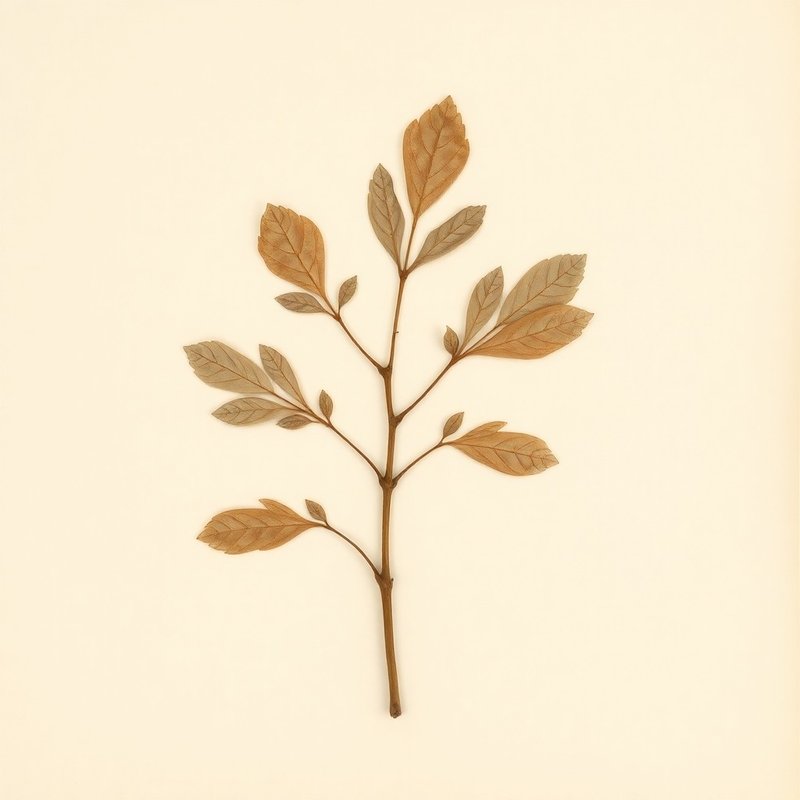
Pl. 3E7D — Carya glabra
Carya glabraCarya glabraCarya glabraCarya glabraCarya glabraCarya glabraCarya glabraCarya glabraCarya glabraCarya glabraCarya glabraCarya glabraCarya glabraCarya glabra
IOverview
Overview
The Pignut hickory is a perennial tree that belongs to the Carya genus. It is native to a wide range of areas, including parts of the United States and Ontario. This tree is known for its edible parts, specifically its sap and seeds. It can thrive in various conditions, including full sun, partial sun, and different types of soil. One of its distinctive features is its ability to grow quite tall. The Pignut hickory is also notable for its adaptability to different environments, being able to tolerate dry to moist soil conditions. Its hardiness and perennial life cycle make it a resilient species, capable of surviving in a variety of settings.
Quick answers
What is Pignut hickory?
The Pignut hickory is a perennial tree that belongs to the Carya genus. It is native to a wide range of areas, including parts of the United States and Ontario. This tree is known for its edible parts, specifically its sap and seeds.
Growingconditions · propagation · uses
VCultivation
Cultivation
This plant thrives in full sun to partial sun and shade, and can tolerate a range of soil types, from light and sandy to medium and heavy clay. It also adapts to varying water conditions, from dry to moist. Hardy in zones 4-9, it is a perennial that can grow up to 30 meters tall. To propagate, specific methods are not provided, but it can be grown in a variety of conditions. With proper care, its edible parts, including sap and seeds, can be enjoyed.
Light
Full sun, Partial sun/shade
Water
Dry, Moist
Soil
Light (sandy), Medium, Heavy (clay)
Hardiness
4-9
Life cycle
Perennial
Mature size
30.0 m tall
For first-time growers
How to grow Pignut hickory for the first time
7steps
Start with a simple planting process to grow Pignut hickory as an ornamental tree or for its nuts.
- 1
What you'll need
Pignut hickory seeds, a large container if starting indoors, or a suitable outdoor location.
- 2
Best time to plant
Plant in spring after the last frost or in fall before the first freeze.
- 3
Soil and container prep
Ensure soil is well-draining; use a mix of light, medium, and heavy soils depending on availability. For containers, choose a large pot with drainage holes.
- 4
Sowing or transplanting
Plant seeds 2-3 inches deep in the soil. If starting indoors, keep them in a warm place until spring.
- 5
First two weeks
Keep the soil moist but not waterlogged during germination. Place containers in partial shade to avoid direct sun.
- 6
Ongoing care
Water regularly, especially when young. Provide full sun once established and mulch around the base for moisture retention.
- 7
Harvest or pruning
Prune during dormant season to maintain shape; collect nuts in late summer or early fall after they turn brown.
VIEdible & utility
Edible & utility
Edible parts:SapSeed
Edible uses: The edible parts of this plant are the sap and seed. These parts can be consumed, although specific preparation methods are not provided. They may be eaten raw, cooked, or possibly dried, but without further information, typical preparation techniques are unknown.
Other uses:Fire starterLumber
Contextrange · companions · related
VIIDistribution
30 native · 0 introduced
Distribution
30 native · 0 introducedDistribution across1 continent· 30 native
Asia1 region
native (1)Georgia
Broader regions
native:Pennsylvania, West Virginia, Massachusetts, Alabama, Arkansas, Connecticut, Delaware, District of Columbia, Florida, Illinois, Indiana, Iowa, Kansas, Kentucky, Louisiana, Maryland, Michigan, Mississippi, Missouri, New Hampshire, New Jersey, New York, North Carolina, Ohio, Ontario, Rhode I., South Carolina, Tennessee, Texas
IXSpecimen gallery
1 image
Specimen gallery
1 imageXI
Explore further
Companion planting
Growing zone
XII
About this entry
- Last updated
- Citation
- How to cite this entry · Submit a correction
Back to the cataloguePlant id · 3e7d2b93-721b-46bb-ac98-63f550b2d5df
Decision aid
Choosing between Pignut hickory and something else?
Continue reading
❦❦❦❦
Endpaper · archive updates
Get archive updates
Occasional email when substantial new content lands — plant profiles, seasonal growing notes, folk-remedy additions. Free, no tracking, unsubscribe anytime.