
Shellbark hickory
Carya laciniosa
Educational content — not medical, botanical, or professional advice. Plant identification, safety, and edibility depend on local conditions, cultivars, and correct identification. Consult a qualified botanist or forager before consuming or handling wild specimens. How we source & review →
Garden journal pausedUse profile notes below
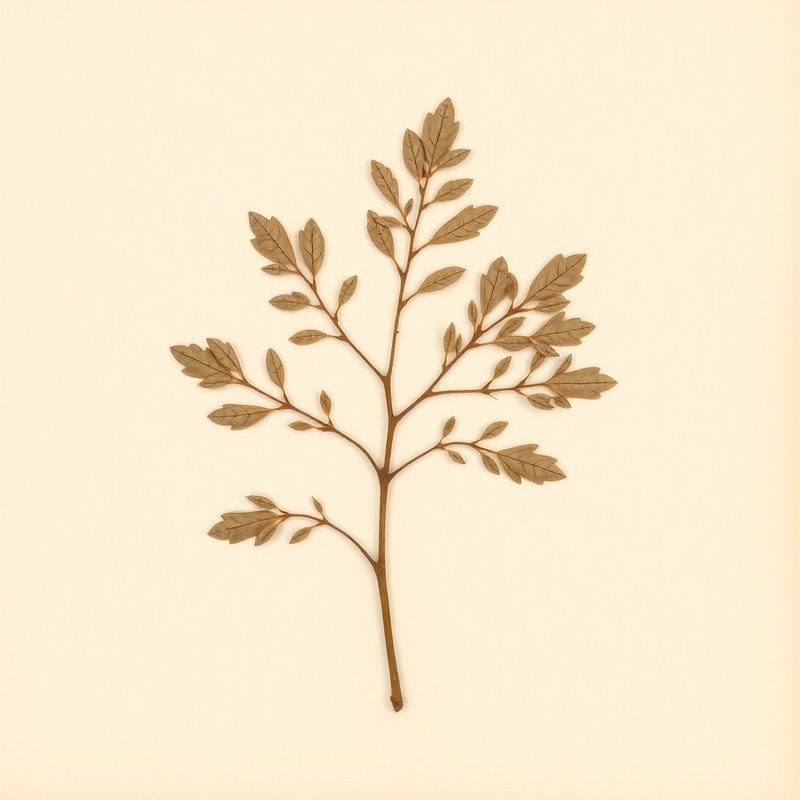
Pl. CE85 — Carya laciniosa
Carya laciniosaCarya laciniosaCarya laciniosaCarya laciniosaCarya laciniosaCarya laciniosaCarya laciniosaCarya laciniosaCarya laciniosaCarya laciniosaCarya laciniosaCarya laciniosaCarya laciniosaCarya laciniosa
IOverview
Overview
The Shellbark hickory (Carya laciniosa) is a deciduous tree that belongs to the Juglandaceae family. Native to eastern North America, this tree can be found in states such as Alabama, Arkansas, Delaware, Georgia, Illinois, Indiana, Iowa, Kansas, Kentucky, Maryland, Michigan, Mississippi, Missouri, New York, North Carolina, Ohio, Oklahoma, Ontario, Pennsylvania, South Carolina, Tennessee, Texas, Virginia, and West Virginia. It thrives in a variety of conditions, including full sun to partial shade and prefers moist soil types such as light sandy, medium, or heavy clay. Shellbark hickory is known for its edible parts, particularly the sap and seeds. The tree can grow quite tall, reaching heights of up to 30 meters, making it a prominent feature in many landscapes. Its hardiness spans from USDA zones 5-9, allowing it to survive in temperate regions with moderate climates. This tree is not only valuable for its edible components but also serves multiple utility purposes. It can be used as a fire starter due to its high oil content and is often employed as lumber. Additionally, the Shellbark hickory acts as a dynamic accumulator, enhancing soil fertility through its root system. When cultivating this tree, it's important to provide it with moist conditions and a range of light exposure from full sun to partial shade. Its adaptability makes it suitable for various growing contexts within its native range. While not medicinal, the Shellbark hickory offers practical benefits such as sweetener production from sap and lumber use. Cautiously note that while parts of this tree are edible, consumption should be approached with knowledge and caution, especially regarding potential allergens or other sensitivities.
Quick answers
What is Shellbark hickory?
The Shellbark hickory (Carya laciniosa) is a deciduous tree that belongs to the Juglandaceae family.
Growingconditions · propagation · uses
VCultivation
Cultivation
This plant prefers full sun to partial sun and shade, and it thrives in a variety of soils, including light sandy, medium, and heavy clay. It requires moist water conditions to grow well. Hardy in zones 5-9, it is suitable for temperate regions with moderate climates. To propagate, specific methods are not provided, so general perennial propagation techniques may be applied. With proper care, it can grow into a tall perennial, reaching heights of 30 meters, and produce edible sap and seeds.
Light
Full sun, Partial sun/shade
Water
Moist
Soil
Light (sandy), Medium, Heavy (clay)
Hardiness
5-9
Life cycle
Perennial
Mature size
30.0 m tall
For first-time growers
How to grow Shellbark hickory for the first time
8steps
Start with planting a young shellbark hickory tree for a rewarding long-term project.
- 1
What you'll need
A young shellbark hickory sapling, garden gloves, and a shovel.
- 2
Best time to plant
Plant in spring or fall when the soil is moist but not waterlogged.
- 3
Soil and container prep
Ensure the soil drains well; amend with compost if necessary. For containers, use a mix of light sandy, medium, and heavy clay soils.
- 4
Sowing or transplanting
Transplant young saplings directly into the ground in their permanent spot, ensuring they are planted at the same depth as they were in the nursery.
- 5
First two weeks
Water regularly to keep the soil moist but not soggy. Monitor for pests and diseases.
- 6
Ongoing care
Provide full sun to partial shade, water deeply once a week during dry spells, and mulch around the base to retain moisture.
- 7
Harvest or pruning
Focus on pruning in late winter before new growth starts. Harvest seeds when they are ripe and easily removed from the shell.
- 8
Common mistakes
Planting too deep, overwatering, neglecting to prune, and not providing enough sunlight.
VIEdible & utility
Edible & utility
Edible parts:SapSeed
Edible uses: Sweetener
Other uses:Fire starterLumberDynamic accumulator
Contextrange · companions · related
VIIDistribution
24 native · 0 introduced
Distribution
24 native · 0 introducedDistribution across1 continent· 24 native
Asia1 region
native (1)Georgia
Broader regions
native:Alabama, Arkansas, Delaware, Illinois, Indiana, Iowa, Kansas, Kentucky, Maryland, Michigan, Mississippi, Missouri, New York, North Carolina, Ohio, Oklahoma, Ontario, Pennsylvania, South Carolina, Tennessee, Texas, Virginia, West Virginia
IXSpecimen gallery
1 image
Specimen gallery
1 imageXI
Explore further
Companion planting
Growing zone
XII
About this entry
- Last updated
- Citation
- How to cite this entry · Submit a correction
Back to the cataloguePlant id · ce85c0b2-458a-4b72-9a80-70f37a7db069
Decision aid
Choosing between Shellbark hickory and something else?
Continue reading
❦❦❦❦
Endpaper · archive updates
Get archive updates
Occasional email when substantial new content lands — plant profiles, seasonal growing notes, folk-remedy additions. Free, no tracking, unsubscribe anytime.
Newsletter returning soon.
We are rebuilding the update list around a lightweight editorial workflow. New dispatches will resume after the next content review cycle.