
Nutmeg Hickory
Carya myristiciformis
Educational content — not medical, botanical, or professional advice. Plant identification, safety, and edibility depend on local conditions, cultivars, and correct identification. Consult a qualified botanist or forager before consuming or handling wild specimens. How we source & review →
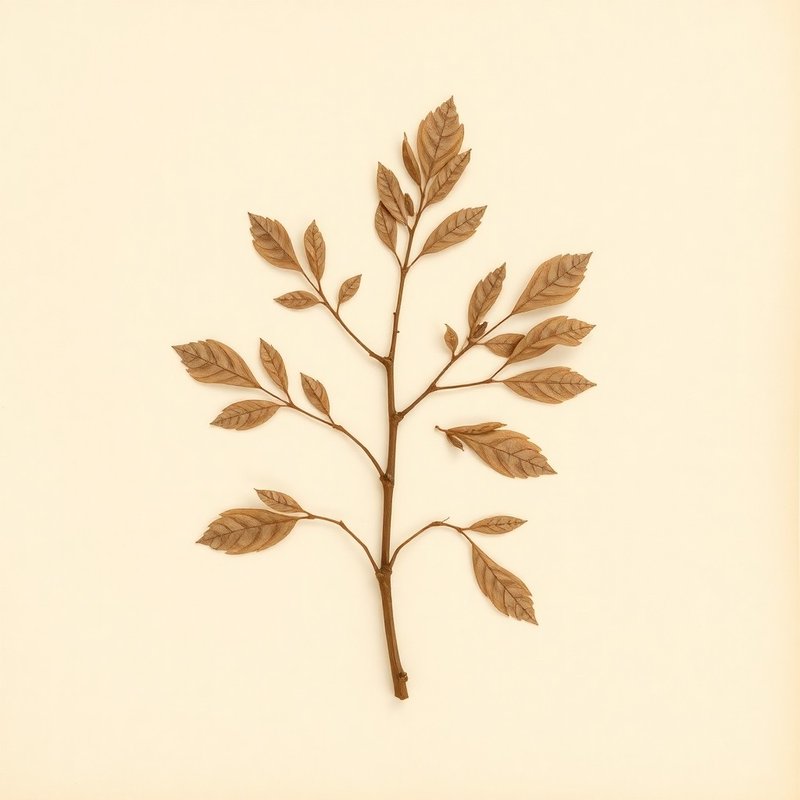
Pl. F5B9 — Carya myristiciformis
Carya myristiciformisCarya myristiciformisCarya myristiciformisCarya myristiciformisCarya myristiciformisCarya myristiciformisCarya myristiciformisCarya myristiciformisCarya myristiciformisCarya myristiciformisCarya myristiciformisCarya myristiciformisCarya myristiciformisCarya myristiciformis
IOverview
Overview
The Nutmeg Hickory (Carya myristiciformis) is a deciduous tree native to the southeastern United States and northeastern Mexico, thriving in habitats such as Alabama, Arkansas, Louisiana, Mississippi, North Carolina, Oklahoma, and South Carolina. Known for its edible nuts, this hickory species can grow up to 30 meters tall and prefers full sun, moist conditions, and a variety of soil types including light (sandy), medium, and heavy (clay). Its hardiness ranges from zones 8-11, making it adaptable in warmer climates. One distinctive feature is its nut, which resembles the flavor profile of nutmeg, hence its common name.
Quick answers
What is Nutmeg Hickory?
The Nutmeg Hickory (Carya myristiciformis) is a deciduous tree native to the southeastern United States and northeastern Mexico, thriving in habitats such as Alabama, Arkansas, Louisiana, Mississippi, North Carolina, Oklahoma, and South Carolina.
Growingconditions · propagation · uses
VCultivation
Cultivation
Nutmeg Hickory thrives in full sun and prefers moist soil that can be light (sandy), medium, or heavy (clay). It is hardy in zones 8-11 and can grow up to 30 meters tall. For propagation, seeds are the recommended method. Ensure the planting site has well-draining conditions and ample sunlight for optimal growth.
Light
Full sun
Water
Moist
Soil
Light (sandy), Medium, Heavy (clay)
Hardiness
8-11
Mature size
30.0 m tall
For first-time growers
How to grow Nutmeg Hickory for the first time
7steps
Start with planting a Nutmeg Hickory sapling for a rewarding long-term project.
- 1
What you'll need
A young Nutmeg Hickory sapling, garden gloves, and a shovel.
- 2
Best time to plant
Plant in spring or fall when the soil is moist but not waterlogged.
- 3
Soil and container prep
Ensure the soil is well-draining with a pH between 6.0 and 7.5, and prepare a large hole for planting.
- 4
Sowing or transplanting
Transplant the sapling into a prepared hole that's twice as wide but not deeper than its root ball.
- 5
First two weeks
Water regularly to keep the soil moist, and mulch around the base to retain moisture.
- 6
Ongoing care
Provide full sun exposure and water deeply once a week during dry periods. Prune only if necessary to remove dead or diseased branches.
- 7
Harvest or pruning
Focus on pruning in late winter before new growth starts, removing any weak or crossing branches.
VIEdible & utility
Edible & utility
Edible parts:Seed
Edible uses: The Nutmeg Hickory (Carya myristiciformis) is edible, with its seeds being the part consumed. Typically, these seeds are prepared by roasting or boiling before eating. They can also be ground into a powder for use in various culinary applications.
Other uses:Fire starterLumber
Contextrange · companions · related
VIIDistribution
9 native · 0 introduced
Distribution
9 native · 0 introducedDistribution across0 continents· 9 native
Broader regions
native:Arkansas, Louisiana, Mexico Northeast, Mississippi, North Carolina, Oklahoma, South Carolina, Texas, Alabama
IXSpecimen gallery
1 image
Specimen gallery
1 imageXI
Explore further
Companion planting
Growing zone
XII
About this entry
- Last updated
- Citation
- How to cite this entry · Submit a correction
Back to the cataloguePlant id · f5b97e17-03e6-494d-b7f8-cf18aaac085b
Decision aid
Choosing between Nutmeg Hickory and something else?
Continue reading
❦❦❦❦
Endpaper · archive updates
Get archive updates
Occasional email when substantial new content lands — plant profiles, seasonal growing notes, folk-remedy additions. Free, no tracking, unsubscribe anytime.