
Chinquapin
Castanea pumila
Educational content — not medical, botanical, or professional advice. Plant identification, safety, and edibility depend on local conditions, cultivars, and correct identification. Consult a qualified botanist or forager before consuming or handling wild specimens. How we source & review →
Garden journal pausedUse profile notes below
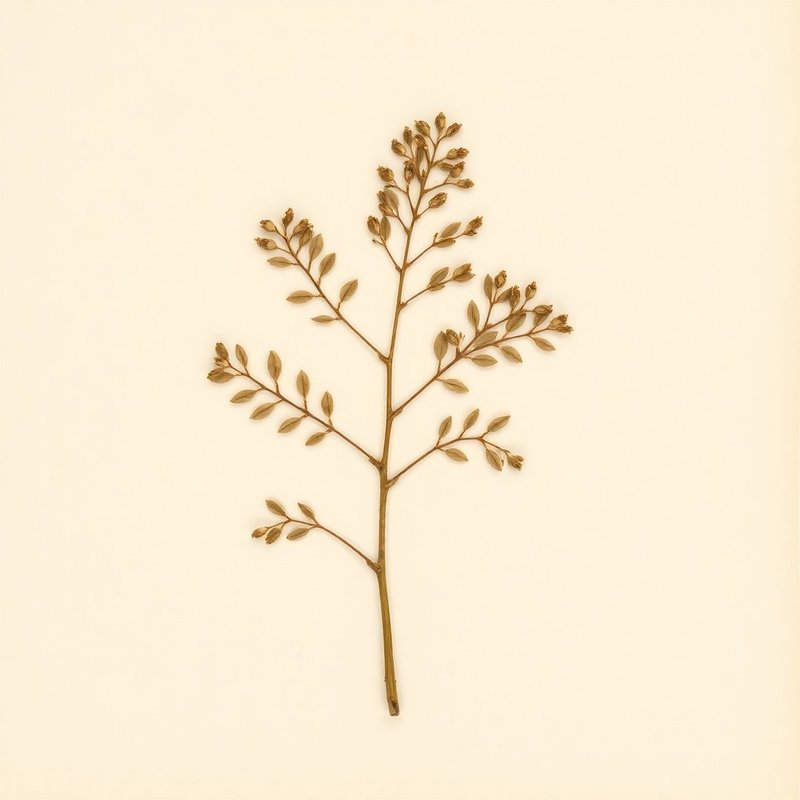
Pl. 778C — Castanea pumila
Castanea pumilaCastanea pumilaCastanea pumilaCastanea pumilaCastanea pumilaCastanea pumilaCastanea pumilaCastanea pumilaCastanea pumilaCastanea pumilaCastanea pumilaCastanea pumilaCastanea pumilaCastanea pumila
IOverview
Overview
The Chinquapin (Castanea pumila) is a deciduous shrub or small tree native to the eastern United States, ranging from Alabama and Arkansas to Virginia and West Virginia. This hardy plant thrives in well-drained soil that can be light (sandy), medium, or heavy (clay) and prefers full sun to partial shade. Growing up to 4 meters tall, the Chinquapin is adaptable to various environments and makes a valuable addition to landscapes. The edible seeds of the Chinquapin are particularly noteworthy; they can be eaten raw or roasted and are sometimes ground into flour for baking. This tree not only provides a food source for wildlife but also offers sustenance for humans, making it an important part of the local ecosystem. In terms of cultivation, the Chinquapin prefers full sun to partial shade and grows best in hardiness zones 4-8. It is drought-tolerant but can also thrive in moist conditions. For propagation, seeds are the preferred method. While the plant can tolerate dry periods better than consistently wet soil, it requires adequate drainage to prevent root rot. Cautiously note that while the Chinquapin has edible parts, consumption should be approached with caution and preferably under expert guidance due to potential allergens or other considerations.
Quick answers
What is Chinquapin?
The Chinquapin (Castanea pumila) is a deciduous shrub or small tree native to the eastern United States, ranging from Alabama and Arkansas to Virginia and West Virginia. This hardy plant thrives in well-drained soil that can be light (sandy), medium, or heavy (clay) and prefers full sun to partial shade.
Growingconditions · propagation · uses
VCultivation
Cultivation
The Chinquapin prefers full sun and can thrive in various soil types, from light sandy to medium and heavy clay soils. It is drought-tolerant but also does well in moist conditions. This tree grows best in hardiness zones 4-8 and reaches a height of about 4 meters. For propagation, seeds are the preferred method. Ensure the plant has adequate drainage while avoiding overly wet soil, as it can tolerate dry periods better than consistently soggy conditions.
Light
Full sun
Water
Dry, Moist
Soil
Light (sandy), Medium, Heavy (clay)
Hardiness
4-8
Mature size
4.0 m tall
For first-time growers
How to grow Chinquapin for the first time
8steps
Start with planting a Chinquapin in your garden for a rewarding beginner experience.
- 1
What you'll need
Seeds or seedlings, a trowel, and mulch.
- 2
Best time to plant
Plant seeds in spring after the last frost or transplant young seedlings in early summer.
- 3
Soil and container prep
Choose a location with well-draining soil that is light (sandy), medium, or heavy (clay). Ensure full sun exposure.
- 4
Sowing or transplanting
Direct sow seeds 2-3 cm deep in the ground. For containers, use a pot at least 15 cm wide and fill with well-draining soil.
- 5
First two weeks
Keep the soil moist but not waterlogged during germination. Monitor for pests and diseases.
- 6
Ongoing care
Water regularly, especially in dry periods, but avoid overwatering. Fertilize sparingly with compost or organic matter.
- 7
Harvest or pruning
Prune in late winter to early spring to maintain shape and remove dead branches. Harvest seeds when they are fully ripe and brown.
- 8
Common mistakes
Overwatering, planting too deep, neglecting pruning, and not providing enough sunlight.
VIEdible & utility
Edible & utility
Edible parts:Seed
Edible uses: The chinquapin's seed is edible and can be eaten raw or roasted. It is also sometimes ground into flour for baking. Skip the detailed preparation methods as they are not provided in the data.
Other uses:TanninLumber
Contextrange · companions · related
VIIDistribution
24 native · 0 introduced
Distribution
24 native · 0 introducedDistribution across1 continent· 24 native
Asia1 region
native (1)Georgia
Broader regions
native:Alabama, Arkansas, Delaware, Florida, Indiana, Kentucky, Louisiana, Maryland, Masachusettes, Massachusetts, Mississippi, Missouri, New Jersey, New York, North Carolina, Ohio, Oklahoma, Pennsylvania, South Carolina, Tennessee, Texas, Virginia, West Virginia
IXSpecimen gallery
1 image
Specimen gallery
1 imageXI
Explore further
XII
About this entry
- Last updated
- Citation
- How to cite this entry · Submit a correction
Back to the cataloguePlant id · 778c62b7-3958-474d-b060-c4d6deeb98fc
Decision aid
Choosing between Chinquapin and something else?
Continue reading
❦❦❦❦
Endpaper · archive updates
Get archive updates
Occasional email when substantial new content lands — plant profiles, seasonal growing notes, folk-remedy additions. Free, no tracking, unsubscribe anytime.
Newsletter returning soon.
We are rebuilding the update list around a lightweight editorial workflow. New dispatches will resume after the next content review cycle.