
Castanopsis sclerophylla
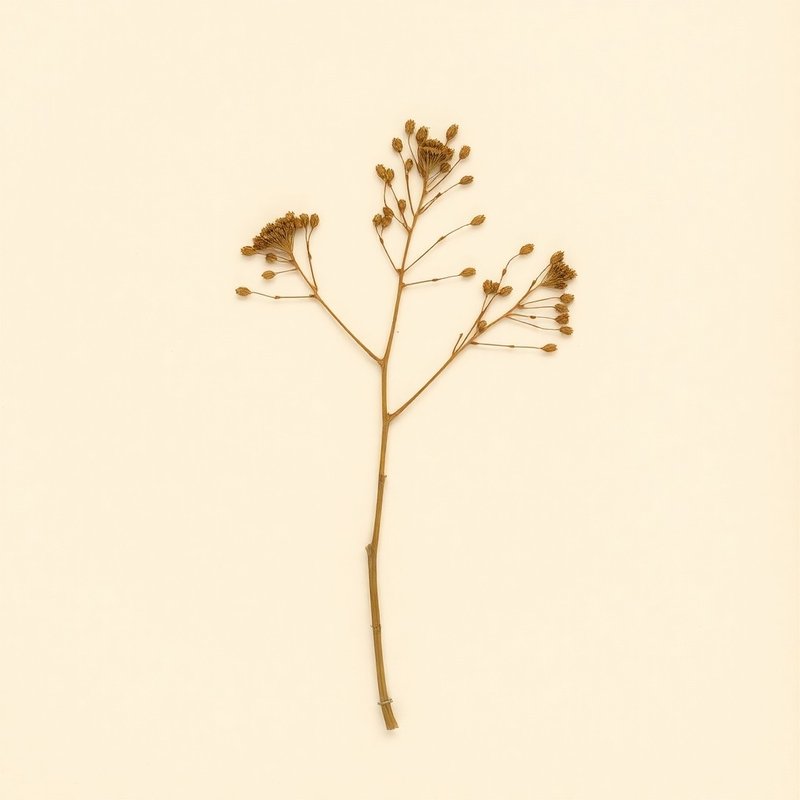
IOverview
Overview
Castanopsis sclerophylla, known as the Southern Chinese Castanet or Red Oak-laurel, is a deciduous tree native to the subtropical regions of China South-Central and Southeast. This member of the Fagaceae family thrives in partial sun to shade, with a preference for moist, medium to heavy clay soils. Its adaptability to various soil types, while maintaining a moisture requirement, makes it a versatile addition to gardens and landscapes. The tree is valued for its edible seeds, which are an important food source for wildlife and can be prepared by drying to enhance their flavor and preserve them for later use. The distinctive deciduous leaves of Castanopsis sclerophylla change color with the seasons, adding aesthetic appeal to the landscape. While not medicinal, the tree's seeds are a valuable resource, making it both ornamental and useful in culinary contexts.
What is Castanopsis sclerophylla?
Castanopsis sclerophylla, known as the Southern Chinese Castanet or Red Oak-laurel, is a deciduous tree native to the subtropical regions of China South-Central and Southeast. This member of the Fagaceae family thrives in partial sun to shade, with a preference for moist, medium to heavy clay soils.
VCultivation
Cultivation
How to grow Castanopsis sclerophylla for the first time
Start with planting Castanopsis sclerophylla in a partially shaded area, ensuring proper soil preparation and care.
- 1
What you'll need
Seeds or seedlings, potting mix, container if needed.
- 2
Best time to plant
Plant in spring when the weather starts warming up.
- 3
Soil and container prep
Use a well-draining soil with some clay content. Ensure containers have drainage holes.
- 4
Sowing or transplanting
Direct sow seeds in the ground or start seedlings indoors 6-8 weeks before planting outdoors.
- 5
First two weeks
Keep the soil moist and provide partial shade to help the young plant establish itself.
- 6
Ongoing care
Water regularly, especially during dry spells. Provide light shade and avoid direct sunlight.
- 7
Harvest or pruning
Focus on pruning for shape and health rather than harvesting; this species is not commonly harvested.
VIEdible & utility
Edible & utility
VIIDistribution
2 native · 0 introduced
Distribution
2 native · 0 introducedIXSpecimen gallery
1 image
Specimen gallery
1 imageExplore further
About this entry
- Last updated
- Citation
- How to cite this entry · Submit a correction
Continue reading
Get archive updates
Occasional email when substantial new content lands — plant profiles, seasonal growing notes, folk-remedy additions. Free, no tracking, unsubscribe anytime.