
She Oak
Casuarina equisetifoliafam. Casuarinaceae
Educational content — not medical, botanical, or professional advice. Plant identification, safety, and edibility depend on local conditions, cultivars, and correct identification. Consult a qualified botanist or forager before consuming or handling wild specimens. How we source & review →
Garden journal pausedUse profile notes below
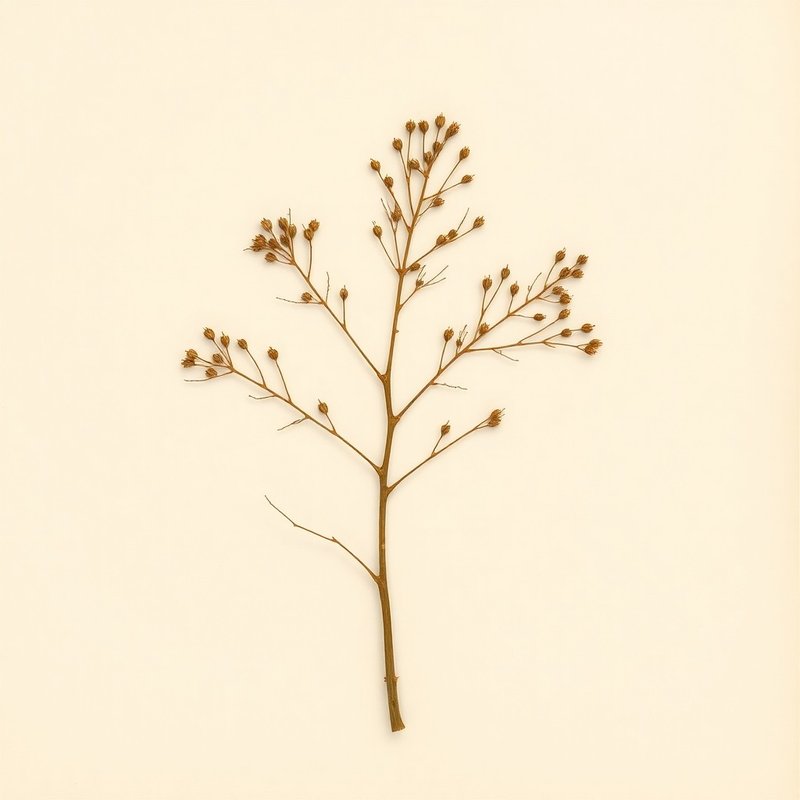
Pl. 490F — Casuarina equisetifolia
Casuarina equisetifoliaCasuarina equisetifoliaCasuarina equisetifoliaCasuarina equisetifoliaCasuarina equisetifoliaCasuarina equisetifoliaCasuarina equisetifoliaCasuarina equisetifoliaCasuarina equisetifoliaCasuarina equisetifoliaCasuarina equisetifoliaCasuarina equisetifoliaCasuarina equisetifoliaCasuarina equisetifolia
IOverview
Overview
She Oak, scientifically known as *Casuarina equisetifolia*, is a large evergreen tree belonging to the Casuarinaceae family. Native to regions such as the Andaman Islands, Assam, Bangladesh, Borneo, Cambodia, Caroline Islands, and Fiji, She Oak thrives in full to partial sun and can adapt to various soil types, including light (sandy), medium, and heavy (clay). This tree is known for its edible properties, with its seeds being a valuable food source, particularly in coastal areas where salt-tolerant plants are crucial. The distinctive feature of She Oak is its needle-like foliage, which resembles pine needles, and its ability to grow up to 30 meters in height, making it a prominent tree in many landscapes. She Oak is also valued for its utility, serving as a fire starter, dye, fencing material, hedgerow, textile fiber, preservative, wind breaker, soil conditioner, soil reclamation, erosion control, tannin source, lumber, coppice, and nitrogen fixer. However, it is important to note that She Oak has the potential to become a weed in certain areas, so careful management is recommended. This tree grows up to 30 meters tall and is hardy in zones 9-12. For propagation, seeds are the recommended method. Ensure it has ample space as it can grow quite large.
Quick answers
What is She Oak?
She Oak, scientifically known as *Casuarina equisetifolia*, is a large evergreen tree belonging to the Casuarinaceae family.
Growingconditions · propagation · uses
VCultivation
Cultivation
She Oak thrives in full to partial sun and prefers well-drained soil that can be light (sandy), medium, or heavy (clay). It is drought-tolerant but performs best in moist conditions. This tree grows up to 30 meters tall and is hardy in zones 9-12. For propagation, seeds are the recommended method. Ensure it has ample space as it can grow quite large.
Light
Full sun, Partial sun/shade
Water
Dry, Moist
Soil
Light (sandy), Medium, Heavy (clay)
Hardiness
9-12
Mature size
30.0 m tall
For first-time growers
How to grow She Oak for the first time
8steps
Start with She Oak as a simple, low-maintenance tree for beginners.
- 1
What you'll need
Seeds or young saplings, a garden trowel, and mulch.
- 2
Best time to plant
Plant in spring when the soil is moist but not waterlogged.
- 3
Soil and container prep
Choose well-draining soil with a pH between 6.0 and 7.5 for best growth.
- 4
Sowing or transplanting
Direct sow seeds in the ground or plant young saplings, spacing them about 3 meters apart.
- 5
First two weeks
Water regularly to keep soil moist but not soggy; mulch around the base to retain moisture.
- 6
Ongoing care
Water deeply once a week during dry spells and prune lightly in late winter or early spring.
- 7
Harvest or pruning
Prune young shoots for shape and to encourage branching; no edible parts are harvested.
- 8
Common mistakes
Overwatering, planting in heavy clay soil, and not providing enough space between trees.
VIEdible & utility
Edible & utility
Edible parts:Seed
Edible uses: Salt
Other uses:Fire starterDyeFencingHedgerowtextilesPreservativeWind breakerSoil conditionerSoil reclamationErosion controlTanninLumberCoppiceNitrogen fixer
Contextrange · companions · related
VIIDistribution
32 native · 60 introduced
Distribution
32 native · 60 introducedDistribution across5 continents· 32 native· 60 introduced
Europe2 regions
introduced (2)ItalySpain
Asia10 regions
native (7)BangladeshCambodiaIndiaMyanmarPhilippinesThailandVietnam
introduced (3)MaldivesPakistanSri Lanka
Americas10 regions
introduced (10)BahamasBelizeCubaDominican RepublicEl SalvadorHaitiJamaicaPuerto RicoUnited StatesVenezuela
Africa13 regions
introduced (13)ComorosGambiaGuineaKenyaMadagascarMauritiusMoroccoMozambiqueSenegalSeychellesSomaliaTanzaniaUganda
Oceania7 regions
native (6)FijiNew CaledoniaSamoaTongaTuvaluVanuatu
introduced (1)Nauru
Broader regions
native:Andaman Is., Borneo, Caroline Is., Jawa, Lesser Sunda Is., Malaya, Marianas, Marshall Is., New Guinea, New South Wales, Nicobar Is., Northern Territory, Queensland, Solomon Is., South China Sea, Sulawesi, Sumatera, Turks-Caicos Is.
introduced:Alabama, Aldabra, Ascension, Bermuda, Cayman Is., Chagos Archipelago, Cocos (Keeling) Is., Cook Is., Florida, Gilbert Is., Gulf of Guinea Is., KwaZulu-Natal, Laccadive Is., Leeward Is., Line Is., Marquesas, Mozambique Channel I, Nansei-shoto, Niue, Ogasawara-shoto, Pitcairn Is., Réunion, Rodrigues, Society Is., Trinidad-Tobago, Tuamotu, Tubuai Is., Venezuelan Antilles, Wake I., Wallis-Futuna Is., Windward Is.
IXSpecimen gallery
1 image
Specimen gallery
1 imageXI
Explore further
XII
About this entry
- Last updated
- Citation
- How to cite this entry · Submit a correction
Back to the cataloguePlant id · 490f0d68-6d41-4b91-9319-81c3b28347a5
Decision aid
Choosing between She Oak and something else?
Continue reading
❦❦❦❦
Endpaper · archive updates
Get archive updates
Occasional email when substantial new content lands — plant profiles, seasonal growing notes, folk-remedy additions. Free, no tracking, unsubscribe anytime.
Newsletter returning soon.
We are rebuilding the update list around a lightweight editorial workflow. New dispatches will resume after the next content review cycle.