
Trumpet Tree
Cecropia peltatafam. Urticaceae
Educational content — not medical, botanical, or professional advice. Always consult a qualified clinician before using any herbal preparation — especially during pregnancy, breastfeeding, while on medication, or for children. How we source & review →

Pl. B273 — Cecropia peltata
Cecropia peltataCecropia peltataCecropia peltataCecropia peltataCecropia peltataCecropia peltataCecropia peltataCecropia peltataCecropia peltataCecropia peltataCecropia peltataCecropia peltataCecropia peltataCecropia peltata
IOverview
Overview
The Trumpet Tree, scientifically known as Cecropia peltata and belonging to the Urticaceae family, is a light-loving tree native to Central and South America. It thrives in moist environments with various soil types—light (sandy), medium, or heavy (clay)—and can tolerate hardiness zones 9-12. Growing up to 20 meters tall, this tree is known for its edible parts, including flowers, fruits, and leaves. Native to countries like Belize, Brazil North, Colombia, Costa Rica, El Salvador, French Guiana, Guatemala, Guyana, Honduras, Jamaica, Mexico Central, Mexico Gulf, Mexico Northeast, Mexico Southeast, Mexico Southwest, Netherlands Antilles, Nicaragua, Panama, Southwest Caribbean, Suriname, Trinidad-Tobago, and Venezuela, the Trumpet Tree is also valued for its medicinal properties. Its distinctive feature includes large, peltate leaves that give it a unique appearance in tropical landscapes.
Quick answers
What is Trumpet Tree?
The Trumpet Tree, scientifically known as Cecropia peltata and belonging to the Urticaceae family, is a light-loving tree native to Central and South America. It thrives in moist environments with various soil types—light (sandy), medium, or heavy (clay)—and can tolerate hardiness zones 9-12.
IV·bMixology suggestions
2 drafts
Mixology suggestions
2 draftsEditorial drafts. These pairings are AI-suggested from traditional herbal lore. Always verify with a qualified herbalist before brewing.
Sunlight Elixir
skintincture
Traditionally used for skin conditions.
Sunshine Brew
focustea
Historically used to enhance mental clarity.
Growingconditions · propagation · uses
VCultivation
Cultivation
The Trumpet Tree thrives in full sun and requires moist soil that can be light (sandy), medium, or heavy (clay). It is hardy in zones 9-12, making it suitable for warm climates. This tree grows to a height of 20 meters and is native to Central and South America, thriving in various habitats from Belize to Venezuela. For propagation, gardeners can use seeds or cuttings. The edible parts include flowers, fruit, and leaves, adding a unique touch to your garden while providing food sources.
Light
Full sun
Water
Moist
Soil
Light (sandy), Medium, Heavy (clay)
Hardiness
9-12
Mature size
20.0 m tall
For first-time growers
How to grow Trumpet Tree for the first time
8steps
Start with a Trumpet Tree to add a tropical touch to your garden, focusing on basic care.
- 1
What you'll need
A young trumpet tree sapling and a small trowel.
- 2
Best time to plant
Plant in spring when the weather is warm and stable.
- 3
Soil and container prep
Use well-draining soil with a mix of light, medium, or heavy texture. Ensure containers have drainage holes.
- 4
Sowing or transplanting
Transplant young saplings directly into the ground or a large pot filled with suitable soil.
- 5
First two weeks
Water regularly to keep the soil moist but not waterlogged, and place in full sun.
- 6
Ongoing care
Provide ample sunlight, regular watering, and occasional pruning for shape. Monitor for pests like aphids.
- 7
Harvest or pruning
Prune young growth to encourage a strong structure; flowers are not typically harvested.
- 8
Common mistakes
Overwatering, planting in heavy clay soil, and neglecting sunlight exposure.
VIEdible & utility
Edible & utility
Edible parts:FlowersFruitLeaves
Edible uses: The trumpet tree's leaves, flowers, and fruits are edible. The tender young leaves can be eaten raw or cooked as a vegetable. The flowers and immature fruit are often consumed fresh in salads or prepared as a potherb. These parts of the plant add a mild, slightly sweet flavor to dishes.
Other uses:ContainersFiberFire startertextilesCraftingPioneerPolesSandpaperSoil reclamationWeaving materialLumber
Contextrange · companions · related
VIIDistribution
24 native · 6 introduced
Distribution
24 native · 6 introducedDistribution across2 continents· 24 native· 6 introduced
Americas12 regions
native (12)BelizeColombiaCosta RicaEl SalvadorFrench GuianaGuatemalaGuyanaHondurasJamaicaNicaraguaSurinameVenezuela
Africa3 regions
introduced (3)Côte d'IvoireGhanaSenegal
Broader regions
native:Brazil North, Mexico Central, Mexico Gulf, Mexico Northeast, Mexico Southeast, Mexico Southwest, Netherlands Antilles, Panamá, Southwest Caribbean, Trinidad-Tobago, Venezuelan Antilles, Windward Is.
introduced:Gulf of Guinea Is., Malaya, Society Is.
IXSpecimen gallery
1 image
Specimen gallery
1 imageXSee also
8 related
See also
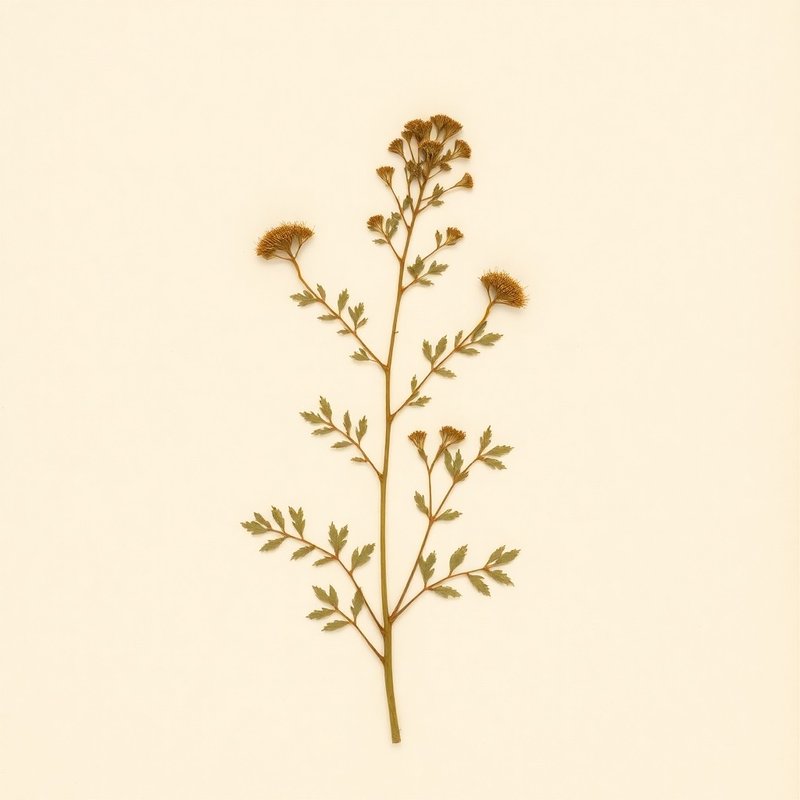
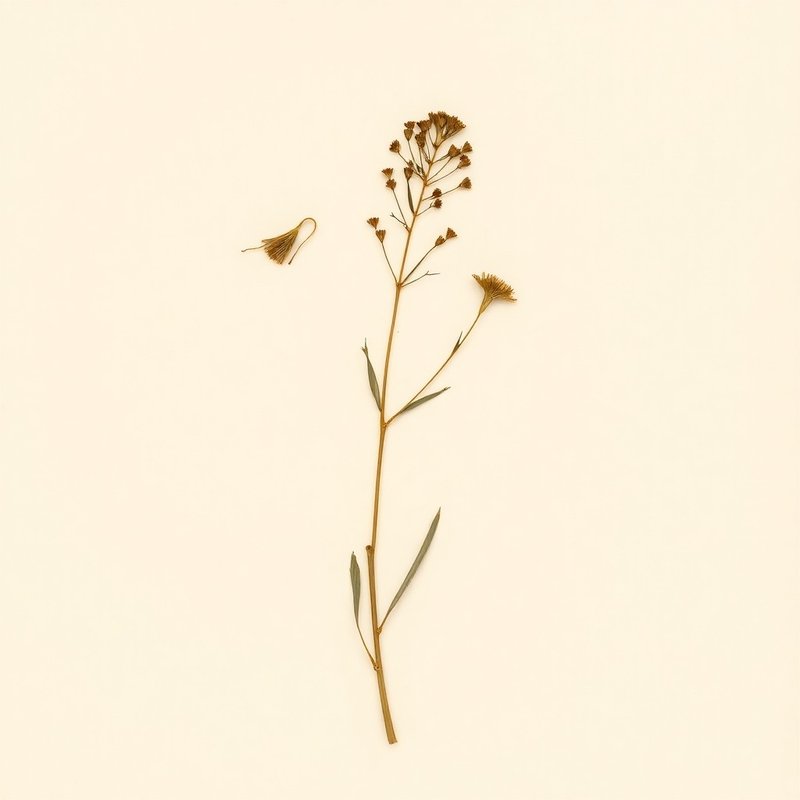
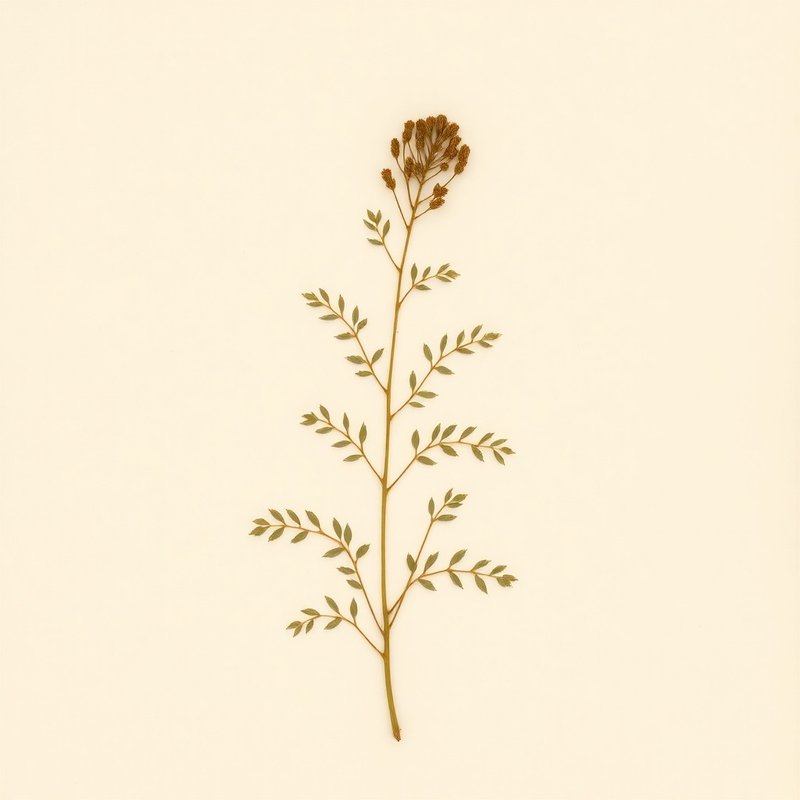
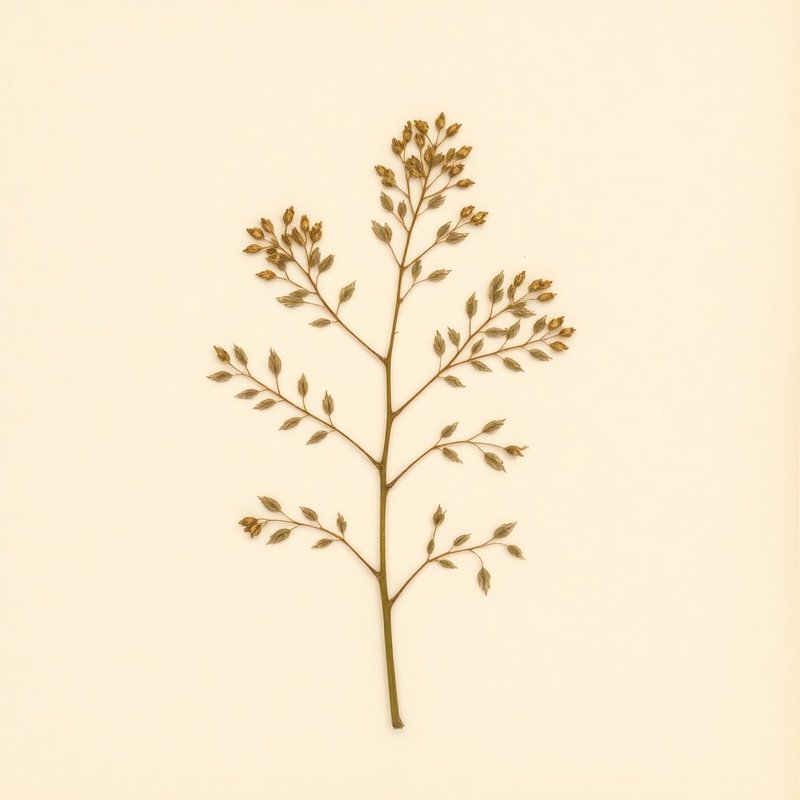
8 relatedPlants you might compare or use together — scored by shared family (Urticaceae), common use cases, and growing requirements.
same family · Urticaceae
Botanical relatives — often share phytochemistry + growing needs.

XI
Explore further
Companion planting
Compare with similar plants
Growing zone
XII
About this entry
- Last updated
- Citation
- How to cite this entry · Submit a correction
Back to the cataloguePlant id · b2736567-d73d-4e3d-8fe7-d66fd678aa36
Decision aid
Choosing between Trumpet Tree and something else?
Continue reading
❦❦❦❦
Endpaper · archive updates
Get archive updates
Occasional email when substantial new content lands — plant profiles, seasonal growing notes, folk-remedy additions. Free, no tracking, unsubscribe anytime.