
Kapok Tree
Ceiba pentandra
Educational content — not medical, botanical, or professional advice. Plant identification, safety, and edibility depend on local conditions, cultivars, and correct identification. Consult a qualified botanist or forager before consuming or handling wild specimens. How we source & review →
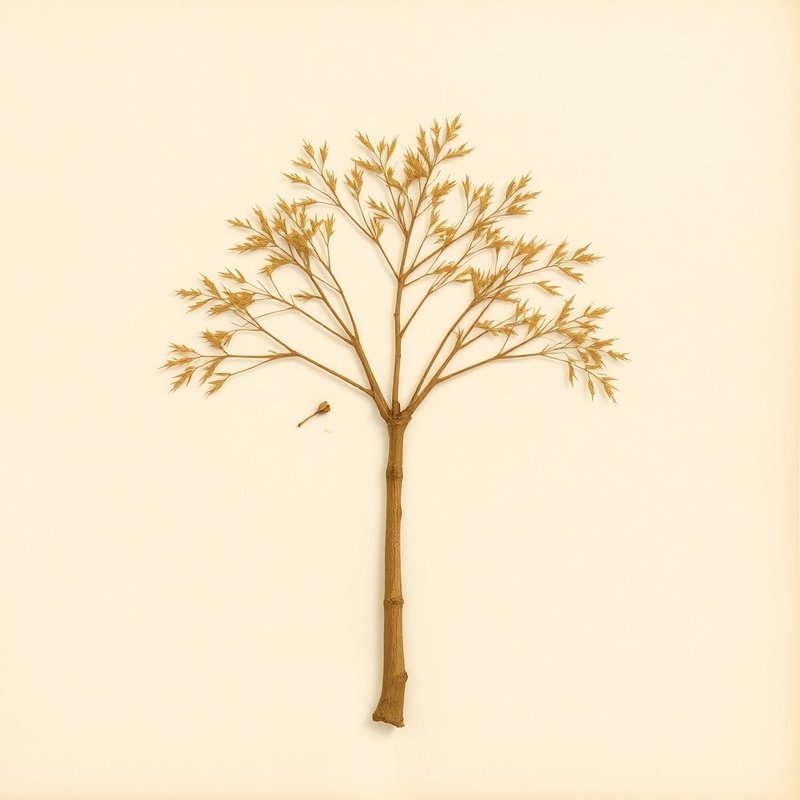
Pl. 56CD — Ceiba pentandra
Ceiba pentandraCeiba pentandraCeiba pentandraCeiba pentandraCeiba pentandraCeiba pentandraCeiba pentandraCeiba pentandraCeiba pentandraCeiba pentandraCeiba pentandraCeiba pentandraCeiba pentandraCeiba pentandra
IOverview
Overview
The Kapok Tree (Ceiba pentandra) is a towering member of the Bombacaceae family, known for its distinctive buttressed trunk and large, showy flowers. Native to Central and South America, it thrives in various habitats across the Caribbean and parts of Central and South America, including the Bahamas, Belize, Bolivia, Brazil, Colombia, Costa Rica, and Venezuela. This tree is valued not only for its ornamental beauty but also for its edible fruits, leaves, and flowers, which are enjoyed by both humans and animals. One of its most distinctive features is the fluffy white fibers that surround its seeds, resembling cotton, which have been used historically for stuffing pillows and life jackets.
Quick answers
What is Kapok Tree?
The Kapok Tree (Ceiba pentandra) is a towering member of the Bombacaceae family, known for its distinctive buttressed trunk and large, showy flowers.
Growingconditions · propagation · uses
VCultivation
Cultivation
The Kapok Tree thrives in full sun and can tolerate both dry and moist conditions, making it adaptable to various environments. It prefers medium to heavy clay soil but will grow well in a variety of soils as long as they are not overly sandy or rocky. Hardy in zones 10-12, this tree is best suited for tropical and subtropical regions. For propagation, seeds can be used, though the process may take several years before the tree reaches maturity. With its potential height of up to 50 meters, careful site selection is essential when planting.
Light
Full sun
Water
Dry, Moist
Soil
Medium, Heavy (clay)
Hardiness
10-12
Mature size
50.0 m tall
For first-time growers
How to grow Kapok Tree for the first time
8steps
Start with a kapok tree to experience the beauty and growth of this tropical giant, focusing on basic care.
- 1
What you'll need
A young kapok tree sapling, suitable potting mix, and a large container or garden space.
- 2
Best time to plant
Plant in spring when temperatures are consistently above 20°C (68°F) and there's no risk of frost.
- 3
Soil and container prep
Use well-draining soil with a mix of medium or heavy clay, ensuring the pot has drainage holes if planting in a container.
- 4
Sowing or transplanting
Transplant young saplings directly into their permanent location or grow from seeds in warm weather, keeping them moist until germination.
- 5
First two weeks
Water regularly to keep the soil consistently moist but not waterlogged. Place in a sunny spot and avoid direct sunlight for the first few days.
- 6
Ongoing care
Provide full sun, regular watering during dry periods, and occasional pruning to maintain shape. Fertilize lightly with compost or organic matter.
- 7
Harvest or pruning
Prune young trees to encourage a strong structure. Harvest flowers for decorative purposes but not for consumption due to lack of data on edibility.
- 8
Common mistakes
Overwatering, planting in full sun without acclimatization, and neglecting drainage are common issues beginners face with kapok trees.
VIEdible & utility
Edible & utility
Edible parts:FlowersFruitLeavesSeed
Edible uses: Oil, Drink, Salt
Other uses:textilesContainersDyeFiberLumberoilPioneerPlant supportPotashSoap makingErosion controlCoppice
Contextrange · companions · related
VIIDistribution
30 native · 0 introduced
Distribution
30 native · 0 introducedDistribution across1 continent· 30 native
Americas18 regions
native (18)BahamasBelizeBoliviaColombiaCosta RicaCubaDominican RepublicEcuadorEl SalvadorFrench GuianaGuatemalaGuyanaHaitiJamaicaNicaraguaPeruPuerto RicoSuriname
Broader regions
native:Mexico Central, Leeward Is., Southwest Caribbean, Mexico Northwest, Netherlands Antilles, Brazil Northeast, Brazil West-Central, Mexico Gulf, Mexico Southeast, Mexico Southwest, Panamá, Trinidad-Tobago
IXSpecimen gallery
1 image
Specimen gallery
1 imageXI
Explore further
Companion planting
Growing zone
XII
About this entry
- Last updated
- Citation
- How to cite this entry · Submit a correction
Back to the cataloguePlant id · 56cd4439-ddd1-4ee7-ac97-e7d0bec2b970
Decision aid
Choosing between Kapok Tree and something else?
Continue reading
❦❦❦❦
Endpaper · archive updates
Get archive updates
Occasional email when substantial new content lands — plant profiles, seasonal growing notes, folk-remedy additions. Free, no tracking, unsubscribe anytime.