
Red Valerian
IOverview
Overview
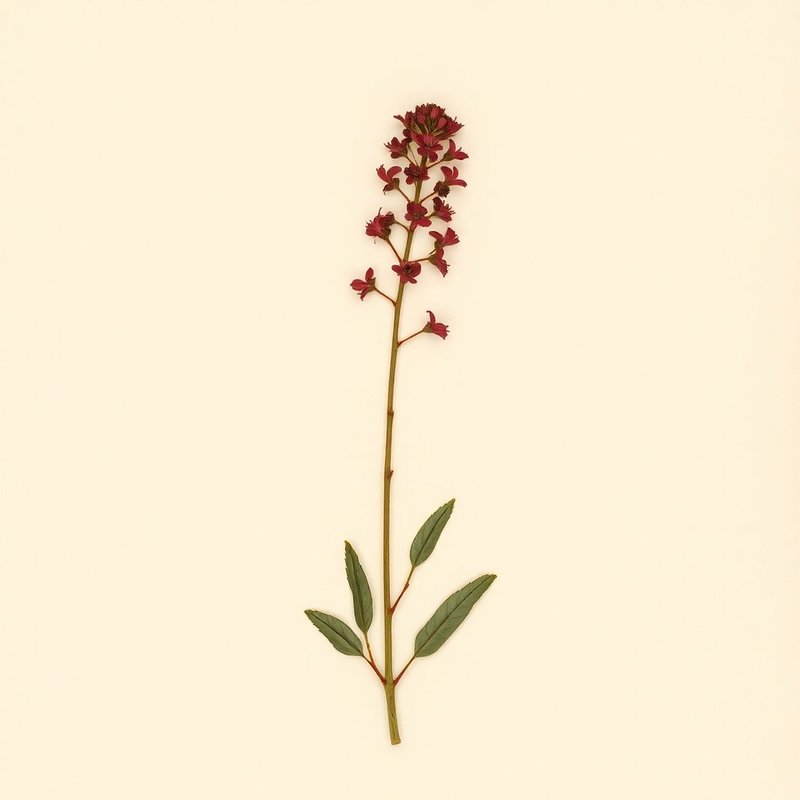
Red Valerian, scientifically known as Centranthus ruber, is a perennial plant native to Turkey and has been introduced into several Mediterranean countries including Albania, Algeria, Azores, Baleares, Corse, France, Greece, Italy, Morocco, Portugal, Sicilia, Spain, Tunisia, Turkey-in-Europe, and Yugoslavia. This hardy plant thrives in full sun and can tolerate both dry and moist conditions, making it adaptable to a range of soil types from light (sandy) to heavy (clay). It grows up to 0.9 meters tall and is commonly found in its native habitat. Red Valerian is not only ornamental with its vibrant red flowers but also edible. The leaves and roots can be used for culinary purposes; the leaves can be eaten raw in salads or cooked as a vegetable, while the roots are typically dug up and used in soups or stews after being boiled. Both parts add a mild flavor to dishes. This plant is native to Turkey and has been introduced into several Mediterranean countries, making it a versatile addition to gardens and landscapes. Its resilience and attractive appearance make it valuable for both ornamental and culinary purposes. While Red Valerian is not known for medicinal uses, gardeners should be cautious when handling the plant as some parts may cause skin irritation or allergic reactions.
What is Red Valerian?
Red Valerian, scientifically known as Centranthus ruber, is a perennial plant native to Turkey and has been introduced into several Mediterranean countries including Albania, Algeria, Azores, Baleares, Corse, France, Greece, Italy, Morocco, Portugal, Sicilia, Spain, Tunisia, Turkey-in-Europe, and Yugoslavia.
VCultivation
Cultivation
How to grow Red Valerian for the first time
Red Valerian is a hardy, low-maintenance perennial that's perfect for beginners.
- 1
What you'll need
A small shovel or trowel, seeds or young plants.
- 2
Best time to plant
Plant in spring after the last frost or in fall before the first freeze.
- 3
Soil and container prep
Choose a well-draining soil with a pH between 6.0 and 7.5. Ensure containers have drainage holes.
- 4
Sowing or transplanting
Direct sow seeds in the garden after danger of frost is past, or start indoors 4-6 weeks before planting outside.
- 5
First two weeks
Water regularly to keep soil moist until plants are established. Avoid overwatering.
- 6
Ongoing care
Provide full sun and minimal watering once established. Deadhead flowers for continuous bloom.
- 7
Harvest or pruning
Prune dead foliage in early spring to encourage new growth and maintain shape.
- 8
Common mistakes
Overwatering, planting in heavy soil, neglecting to prune dead foliage.
VIEdible & utility
Edible & utility
VIIDistribution
16 native · 45 introduced
Distribution
16 native · 45 introducedIXSpecimen gallery
1 image
Specimen gallery
1 imageExplore further
About this entry
- Last updated
- Citation
- How to cite this entry · Submit a correction
Continue reading
Get archive updates
Occasional email when substantial new content lands — plant profiles, seasonal growing notes, folk-remedy additions. Free, no tracking, unsubscribe anytime.