
Makhobeli
Cephalaria syriaca
Educational content — not medical, botanical, or professional advice. Plant identification, safety, and edibility depend on local conditions, cultivars, and correct identification. Consult a qualified botanist or forager before consuming or handling wild specimens. How we source & review →
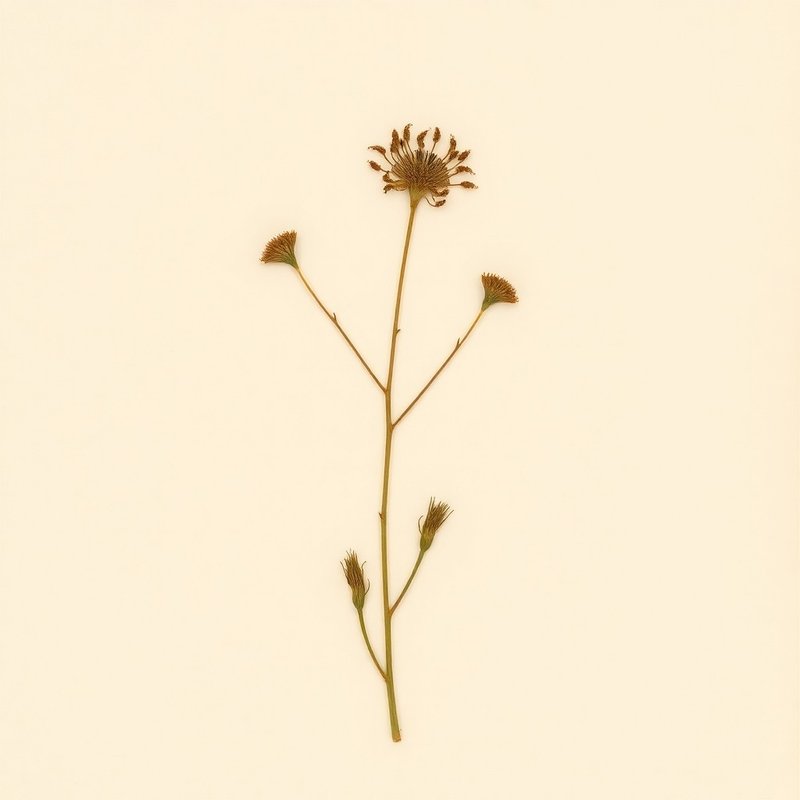
Pl. B14A — Cephalaria syriaca
Cephalaria syriacaCephalaria syriacaCephalaria syriacaCephalaria syriacaCephalaria syriacaCephalaria syriacaCephalaria syriacaCephalaria syriacaCephalaria syriacaCephalaria syriacaCephalaria syriacaCephalaria syriacaCephalaria syriacaCephalaria syriaca
IOverview
Overview
Makhobeli, scientifically known as Cephalaria syriaca, is an annual forb or herb native to regions including Afghanistan, Bulgaria, Cyprus, Egypt, Iran, Iraq, Kazakhstan, Kirgizstan, and other parts of Central Asia. This plant thrives in moist conditions with a preference for light (sandy), medium, and heavy (clay) soils, making it adaptable to various environments within its native range. Makhobeli is notable for being edible; its seeds are the part used. The plant has a moderate growth habit, with an energy rating of 7 out of 10, indicating it requires careful attention to soil pH, which should be maintained between 6.5 and 7 for optimal growth.
Quick answers
What is Makhobeli?
Makhobeli, scientifically known as Cephalaria syriaca, is an annual forb or herb native to regions including Afghanistan, Bulgaria, Cyprus, Egypt, Iran, Iraq, Kazakhstan, Kirgizstan, and other parts of Central Asia.
Growingconditions · propagation · uses
VCultivation
Cultivation
Makhobeli thrives in light to moderately moist conditions and prefers well-draining soils that are light (sandy), medium, or heavy (clay). It is an annual forb/herb that requires a soil pH between 6.5 and 7. The plant can be propagated by seed. Given its native range across temperate regions, it is generally hardy in such climates but may require protection in very cold areas. Ensure the planting site receives adequate sunlight while maintaining consistent moisture levels to support healthy growth.
Light
7/10
Water
Moist
Soil
Light (sandy), Medium, Heavy (clay)
Life cycle
Annual
Habit
Forb/herb
Soil pH
6.5–7
For first-time growers
How to grow Makhobeli for the first time
8steps
Start with Makhobeli as an easy-to-grow annual herb, focusing on basic care.
- 1
What you'll need
Seeds or seedlings, a small trowel, and a watering can.
- 2
Best time to plant
Plant in spring after the last frost, when soil is warm.
- 3
Soil and container prep
Choose a spot with well-draining soil; amend with compost if needed.
- 4
Sowing or transplanting
Direct sow seeds 1/2 inch deep, spacing them about 6 inches apart. Alternatively, start indoors and transplant after danger of frost passes.
- 5
First two weeks
Keep soil consistently moist; water gently to avoid disturbing the seedlings.
- 6
Ongoing care
Water regularly, especially during dry spells, and mulch around plants to retain moisture. Pinch back for bushier growth.
- 7
Harvest or pruning
Prune after flowering to encourage more blooms and prevent self-seeding.
- 8
Common mistakes
Overwatering, planting in heavy soil, neglecting regular pinching.
VIEdible & utility
Edible & utility
Edible parts:Seed
Edible uses: Oil
Other uses:Fire starteroil
Contextrange · companions · related
VIIDistribution
19 native · 5 introduced
Distribution
19 native · 5 introducedDistribution across3 continents· 19 native· 5 introduced
Europe4 regions
native (3)BulgariaCyprusRussia
introduced (1)Italy
Asia9 regions
native (9)AfghanistanIranIraqKazakhstanPakistanPalestineTurkeyTurkmenistanUzbekistan
Africa3 regions
native (1)Egypt
introduced (2)AlgeriaMorocco
Broader regions
native:Tadzhikistan, Kirgizstan, Lebanon-Syria, Turkey-in-Europe, Sinai, Transcaucasus
introduced:Delaware, Czechoslovakia
IXSpecimen gallery
1 image
Specimen gallery
1 imageXI
Explore further
Companion planting
XII
About this entry
- Last updated
- Citation
- How to cite this entry · Submit a correction
Back to the cataloguePlant id · b14aed74-189f-4f35-9fb5-1bd7f3e17e9c
Decision aid
Choosing between Makhobeli and something else?
Continue reading
❦❦❦❦
Endpaper · archive updates
Get archive updates
Occasional email when substantial new content lands — plant profiles, seasonal growing notes, folk-remedy additions. Free, no tracking, unsubscribe anytime.