
Little Mouse-Ear Chickweed
Cerastium semidecandrum
Educational content — not medical, botanical, or professional advice. Plant identification, safety, and edibility depend on local conditions, cultivars, and correct identification. Consult a qualified botanist or forager before consuming or handling wild specimens. How we source & review →
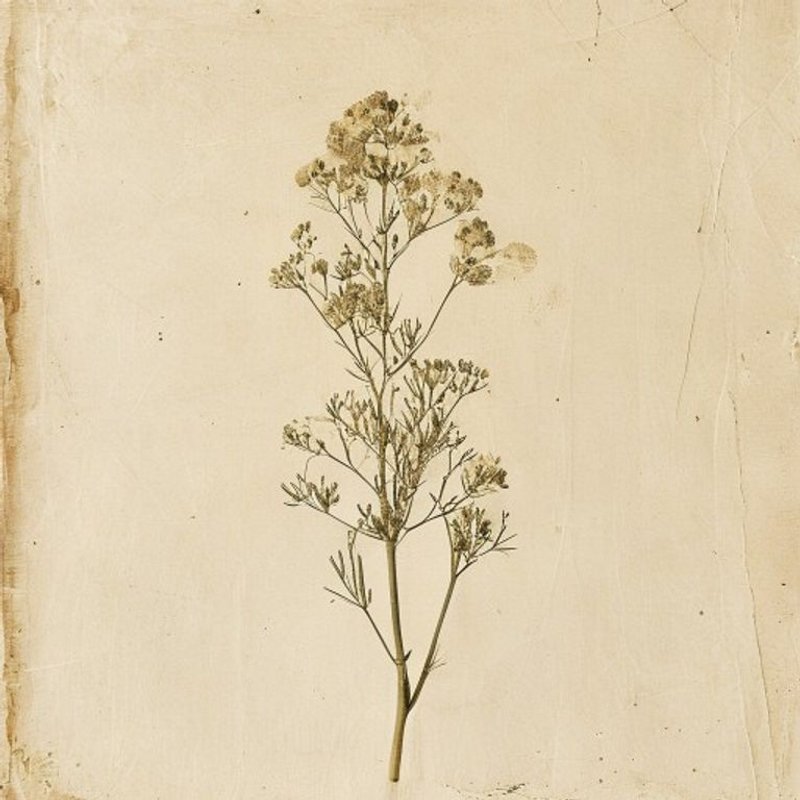
Pl. 45BE — Cerastium semidecandrum
Cerastium semidecandrumCerastium semidecandrumCerastium semidecandrumCerastium semidecandrumCerastium semidecandrumCerastium semidecandrumCerastium semidecandrumCerastium semidecandrumCerastium semidecandrumCerastium semidecandrumCerastium semidecandrumCerastium semidecandrumCerastium semidecandrumCerastium semidecandrum
IOverview
Overview
Little Mouse-Ear Chickweed, scientifically known as Cerastium semidecandrum, is an annual forb or herb that thrives in a variety of European and Asian habitats including Afghanistan, Albania, Algeria, Austria, and many other regions listed. Native to Afghanistan, Albania, and Algeria among others, this plant has spread widely across Europe and parts of Asia. It prefers moist conditions, light to medium soil types, and full sun exposure. Known for its edible leaves, Little Mouse-Ear Chickweed can reach a height of 0.2 meters and is distinguished by its small white flowers with prominent stamens.
Quick answers
What is Little Mouse-Ear Chickweed?
Little Mouse-Ear Chickweed, scientifically known as Cerastium semidecandrum, is an annual forb or herb that thrives in a variety of European and Asian habitats including Afghanistan, Albania, Algeria, Austria, and many other regions listed.
Growingconditions · propagation · uses
VCultivation
Cultivation
Little Mouse-Ear Chickweed thrives in full sun and prefers moist soil that is light (sandy), medium, or heavy (clay). This annual plant grows to a height of 0.2 meters and can be propagated through seeds. It is hardy in temperate regions and is native to many parts of Europe, Asia, and North Africa. For best results, keep the soil consistently moist but avoid overwatering. Skip mulching as it may retain too much moisture.
Light
Full sun
Water
Moist
Soil
Light (sandy), Medium, Heavy (clay)
Life cycle
Annual
Habit
Forb/herb
Mature size
0.2 m tall
Seasonal calendar
Northern hemisphere · UTC month is September
winterspringsummerautumnwinter
BloomJFMAMJJASOND
For first-time growers
How to grow Little Mouse-Ear Chickweed for the first time
8steps
Start with Little Mouse-Ear Chickweed as a simple, low-maintenance addition to your garden.
- 1
What you'll need
Seeds or seedlings of Little Mouse-Ear Chickweed.
- 2
Best time to plant
Plant in spring after the last frost or in late summer for a fall harvest.
- 3
Soil and container prep
Choose a location with full sun. Prepare soil that is light, medium, or heavy but well-draining.
- 4
Sowing or transplanting
Direct sow seeds 0.5 cm deep in rows 30-45 cm apart. Alternatively, start indoors and transplant seedlings when they have two sets of true leaves.
- 5
First two weeks
Keep the soil moist but not waterlogged during germination. Thin plants to about 20-30 cm apart once established.
- 6
Ongoing care
Water regularly, especially in dry periods. Mulch around plants to retain moisture and suppress weeds.
- 7
Harvest or pruning
Prune back the plant after flowering to encourage new growth and prevent self-seeding.
- 8
Common mistakes
Overwatering, planting too deep, neglecting to thin seedlings.
VIEdible & utility
Edible & utility
Edible parts:Leaves
Edible uses: The leaves of Little Mouse-Ear Chickweed are edible and can be eaten raw or cooked. They are typically added to salads for a mild flavor or used in soups and stews to enhance the dish with their delicate taste.
Contextrange · companions · related
VIIDistribution
30 native · 0 introduced
Distribution
30 native · 0 introducedDistribution across3 continents· 30 native
Europe19 regions
native (19)AlbaniaAustriaBelgiumBulgariaCyprusDenmarkFinlandFranceGermanyGreeceHungaryIrelandItalyNetherlandsNorwayPolandRussiaSpainUnited Kingdom
Asia2 regions
native (2)IraqKazakhstan
Africa3 regions
native (3)AlgeriaLibyaMorocco
Broader regions
native:Czechoslovakia, Kriti, Lebanon-Syria, East Aegean Is., Kirgizstan
IXSpecimen gallery
1 image
Specimen gallery
1 imageXI
Explore further
Companion planting
XII
About this entry
- Last updated
- Citation
- How to cite this entry · Submit a correction
Back to the cataloguePlant id · 45be0baa-142e-45bd-a120-b1e3b72eedf7
Decision aid
Choosing between Little Mouse-Ear Chickweed and something else?
Continue reading
❦❦❦❦
Endpaper · archive updates
Get archive updates
Occasional email when substantial new content lands — plant profiles, seasonal growing notes, folk-remedy additions. Free, no tracking, unsubscribe anytime.