
Hildmania cactus
IOverview
Overview
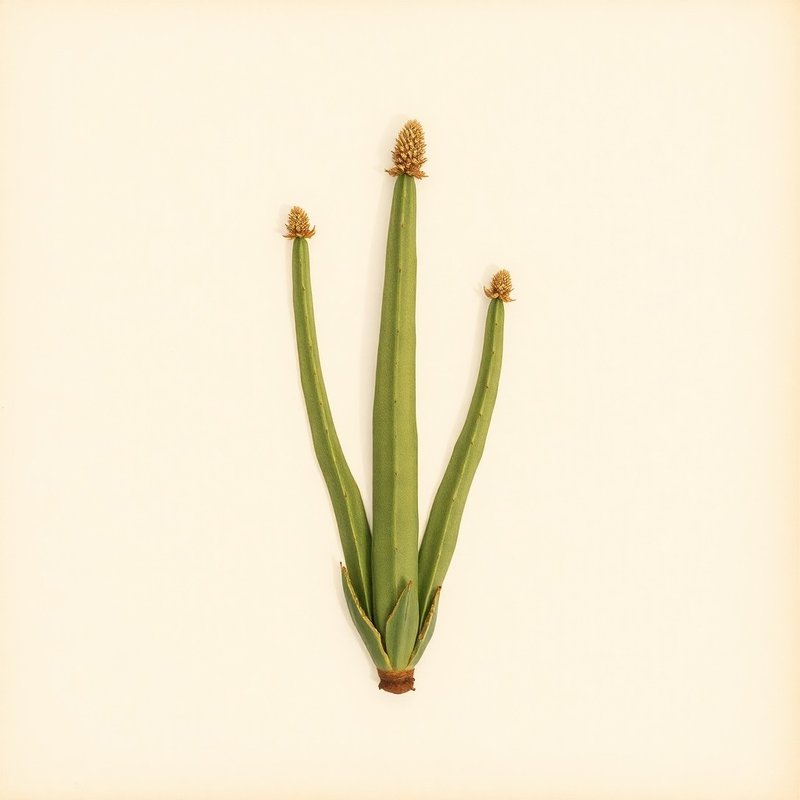
The Hildmania cactus, scientifically known as Cereus hildmannianus, is a tree or shrub native to the northeastern regions of Argentina and southeastern Brazil, extending into Bolivia and Paraguay. This cactus thrives in full sun and prefers well-draining soil that can be either light (sandy) or medium. It grows up to 9 meters tall and is known for its edible fruit and stem, making it a valuable resource in its native habitats. The fruit can be eaten raw or used in jams, while the stem is typically prepared by peeling and slicing before cooking or drying for later use. Its adaptability to both dry and moist conditions, along with its hardiness range of zones 9-12, makes Hildmania cactus a notable presence in its native regions. This plant is also found in introduced regions such as Assam, Canary Islands, East Himalaya, France, Hawaii, India, Italy, Spain, Tunisia, and Vietnam, where it can serve as a pioneer species or be used in hedgerows and containers. However, it should be noted that it has weed potential in some areas.
What is Hildmania cactus?
The Hildmania cactus, scientifically known as Cereus hildmannianus, is a tree or shrub native to the northeastern regions of Argentina and southeastern Brazil, extending into Bolivia and Paraguay. This cactus thrives in full sun and prefers well-draining soil that can be either light (sandy) or medium.
VCultivation
Cultivation
How to grow Hildmania cactus for the first time
Start with a simple, sunny spot and basic care for your Hildmania cactus.
- 1
What you'll need
A small pot, well-draining soil mix, and a few succulent seeds or a young plant.
- 2
Best time to plant
Plant in spring when the weather is warming up.
- 3
Soil and container prep
Use a cactus-specific soil mix and ensure your pot has drainage holes.
- 4
Sowing or transplanting
Transplant carefully, avoiding damage to roots. For seeds, sow them lightly covered in moist soil.
- 5
First two weeks
Keep the soil slightly dry but not completely bone-dry. Place in bright light but avoid direct sun.
- 6
Ongoing care
Water sparingly, allowing the soil to dry out between waterings. Provide full sun and moderate warmth.
- 7
Harvest or pruning
Prune only if needed for shape or health; fruits are edible but not commonly harvested.
- 8
Common mistakes
Overwatering, placing in direct sunlight, using regular potting soil instead of cactus mix.
VIEdible & utility
Edible & utility
VIIDistribution
7 native · 10 introduced
Distribution
7 native · 10 introducedIXSpecimen gallery
1 image
Specimen gallery
1 imageExplore further
About this entry
- Last updated
- Citation
- How to cite this entry · Submit a correction
Continue reading
Get archive updates
Occasional email when substantial new content lands — plant profiles, seasonal growing notes, folk-remedy additions. Free, no tracking, unsubscribe anytime.