
Peruvian apple cactus
Cereus repandus
Educational content — not medical, botanical, or professional advice. Plant identification, safety, and edibility depend on local conditions, cultivars, and correct identification. Consult a qualified botanist or forager before consuming or handling wild specimens. How we source & review →
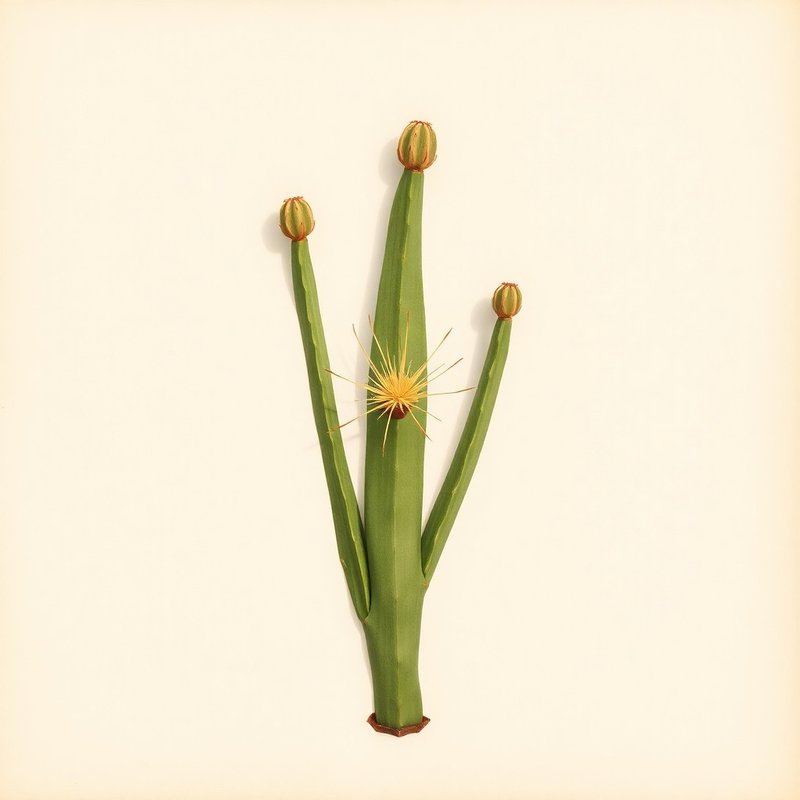
Pl. C23A — Cereus repandus
Cereus repandusCereus repandusCereus repandusCereus repandusCereus repandusCereus repandusCereus repandusCereus repandusCereus repandusCereus repandusCereus repandusCereus repandusCereus repandusCereus repandus
IOverview
Overview
Peruvian apple cactus, scientifically known as Cereus repandus, is a striking succulent native to the Caribbean and South America, including Aruba, Colombia, and various Venezuelan territories. This plant thrives in full sun and can grow up to 10 meters tall, making it an impressive ornamental addition to gardens. Known for its edible fruits, which are often consumed fresh or used in jams, Peruvian apple cactus is also recognized for its ability to tolerate dry conditions and sandy soils. Its distinctive feature lies in the large, cylindrical stems that can resemble small trees, providing a unique landscape element while supporting its fruit-bearing capabilities.
Quick answers
What is Peruvian apple cactus?
Peruvian apple cactus, scientifically known as Cereus repandus, is a striking succulent native to the Caribbean and South America, including Aruba, Colombia, and various Venezuelan territories. This plant thrives in full sun and can grow up to 10 meters tall, making it an impressive ornamental addition to gardens.
Growingconditions · propagation · uses
VCultivation
Cultivation
Peruvian apple cactus thrives in full sun and prefers well-draining soil that is light (sandy) to medium. It requires dry to moist conditions but can tolerate some drought. This plant grows best in USDA zones 9-12 and can reach heights of up to 10 meters. For propagation, cuttings or seeds can be used. The fruits are edible and make for a unique addition to the garden.
Light
Full sun
Water
Dry, Moist
Soil
Light (sandy), Medium
Hardiness
9-12
Mature size
10.0 m tall
For first-time growers
How to grow Peruvian apple cactus for the first time
7steps
Start with a simple, low-maintenance cactus that thrives in full sun and well-draining soil.
- 1
What you'll need
A Peruvian apple cactus plant or cutting, a small pot, and well-draining cactus mix.
- 2
Best time to plant
Plant in spring when the weather is warm and stable.
- 3
Soil and container prep
Use a cactus-specific soil mix and ensure your pot has drainage holes.
- 4
Sowing or transplanting
Transplant carefully, avoiding damage to spines. Water sparingly after planting.
- 5
First two weeks
Keep the plant in partial shade for a few days, then move it to full sun gradually.
- 6
Ongoing care
Place in bright sunlight and water only when soil is completely dry. Fertilize sparingly in spring.
- 7
Harvest or pruning
Prune dead or damaged parts as needed, but be cautious around the spines.
VIEdible & utility
Edible & utility
Edible parts:fruits
Edible uses: The Peruvian apple cactus, or Cereus repandus, is edible and its fruits are commonly consumed raw or used in jams and jellies. The fruit can also be dried for later use. Skip the invention of specific recipes; these notes cover the typical preparation methods.
Other uses:Hedgerow
Contextrange · companions · related
VIIDistribution
6 native · 1 introduced
Distribution
6 native · 1 introducedDistribution across1 continent· 6 native· 1 introduced
Americas3 regions
native (2)ColombiaVenezuela
introduced (1)Dominican Republic
Broader regions
native:Netherlands Antilles, Aruba, Windward Is., Venezuelan Antilles
IXSpecimen gallery
1 image
Specimen gallery
1 imageXI
Explore further
Companion planting
Growing zone
XII
About this entry
- Last updated
- Citation
- How to cite this entry · Submit a correction
Back to the cataloguePlant id · c23a0eee-4603-4b15-b9c0-74cd4975a346
Decision aid
Choosing between Peruvian apple cactus and something else?
Continue reading
❦❦❦❦
Endpaper · archive updates
Get archive updates
Occasional email when substantial new content lands — plant profiles, seasonal growing notes, folk-remedy additions. Free, no tracking, unsubscribe anytime.