
Dwarf Quince
IOverview
Overview
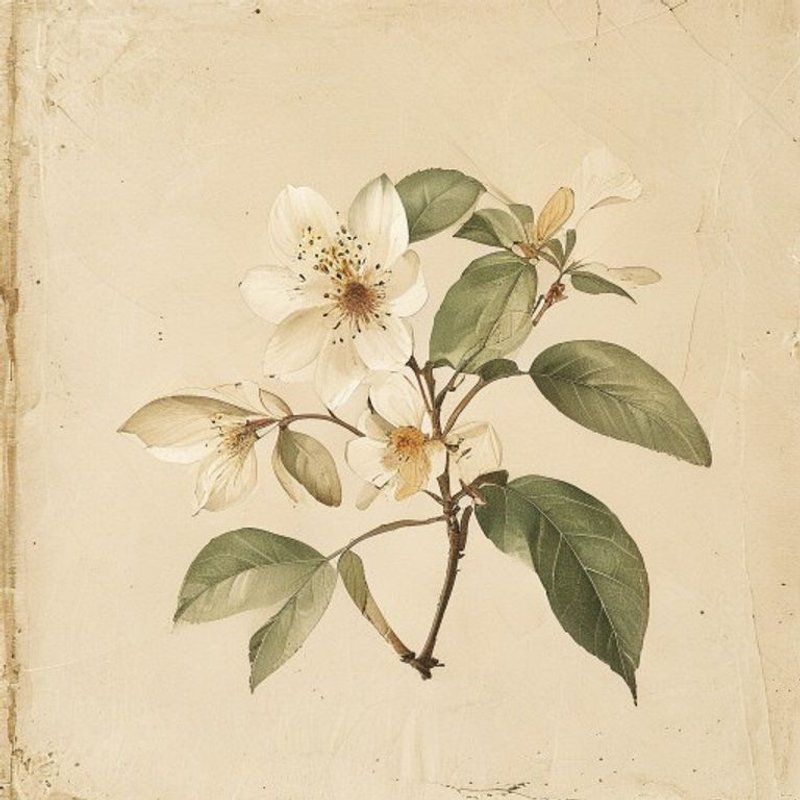
Dwarf Quince (Chaenomeles japonica) is a deciduous shrub native to Japan and Korea, known for its early spring blooms of light pink or white flowers that precede the emergence of leaves. This adaptable plant thrives in moist soil with a pH range of 4.5 to 8, making it suitable for various growing conditions, including full sun, partial shade, or even full shade. It typically reaches a height of about 1 meter and is hardy in USDA zones 5-8. Dwarf Quince is valued not only for its ornamental appeal but also for its edible fruit. The fruit ripens from late spring into early summer and can be enjoyed fresh or used to make jams, jellies, and preserves due to its tart flavor. Additionally, the fruit can be dried for later use. Its compact size and attractive blooms make it a popular choice for gardens and landscapes as an ornamental shrub. While Dwarf Quince is not known for medicinal properties, its edible fruit offers culinary benefits. When cultivating this plant, ensure that the soil remains moist but well-drained, with a mix of light (sandy), medium, or heavy (clay) textures. Propagation can be achieved through semi-hardwood cuttings or by division. Native to Japan and Korea, Dwarf Quince has been introduced into various regions including parts of Europe, North America, and Asia, making it a versatile addition to gardens across different climates.
What is Dwarf Quince?
Dwarf Quince (Chaenomeles japonica) is a deciduous shrub native to Japan and Korea, known for its early spring blooms of light pink or white flowers that precede the emergence of leaves. This adaptable plant thrives in moist soil with a pH range of 4.
VCultivation
Cultivation
How to grow Dwarf Quince for the first time
Start with a Dwarf Quince shrub for its manageable size and easy care.
- 1
What you'll need
A dwarf quince shrub, garden gloves, pruning shears.
- 2
Best time to plant
Plant in early spring or late fall when the soil is moist but not waterlogged.
- 3
Soil and container prep
Ensure the soil drains well; mix in compost if needed. For containers, use a pot with drainage holes filled with a loamy soil.
- 4
Sowing or transplanting
Transplant from a nursery pot to your garden bed or keep it in its container for easier care.
- 5
First two weeks
Water regularly, keeping the soil moist but not soggy. Avoid direct sunlight during this period.
- 6
Ongoing care
Provide full sun to partial shade and water when the top inch of soil feels dry. Prune in late winter or early spring.
- 7
Harvest or pruning
Prune after flowering to maintain shape and remove dead branches; harvest fruit in late summer or fall.
VIEdible & utility
Edible & utility
VIIDistribution
2 native · 23 introduced
Distribution
2 native · 23 introducedIXSpecimen gallery
1 image
Specimen gallery
1 imageExplore further
About this entry
- Last updated
- Citation
- How to cite this entry · Submit a correction
Continue reading
Get archive updates
Occasional email when substantial new content lands — plant profiles, seasonal growing notes, folk-remedy additions. Free, no tracking, unsubscribe anytime.