
Chenopodium schraderianum
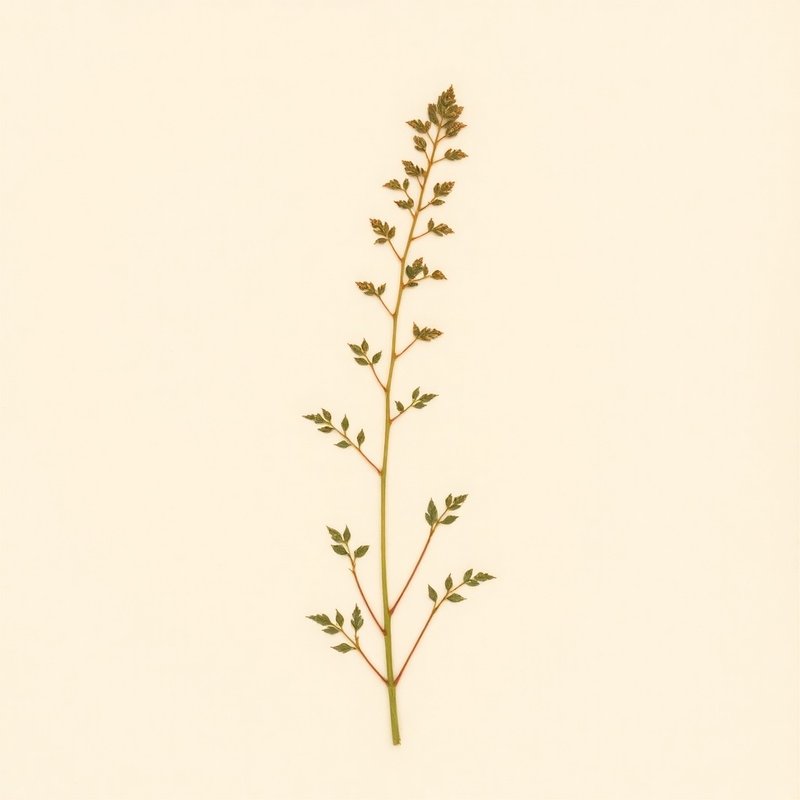
IOverview
Overview
Chenopodium schraderianum, an annual plant belonging to the Chenopodiaceae family, is native to a wide range of regions including Angola, Botswana, Chad, Ethiopia, Kenya, and other parts of East Africa and the Middle East. This plant thrives in full sun and prefers moist soil that can be light (sandy), medium, or heavy (clay), making it adaptable to various growing conditions. Growing up to 1.2 meters tall, C. schraderianum is valued for its edible leaves and seeds, which can be eaten fresh or cooked, and are often dried for later use. The plant's versatility extends to its use as a dye, adding practicality to its cultivation in both native and introduced regions such as Central European Rus, Czechoslovakia, Denmark, Finland, and others. Its adaptability and wide native range make C. schraderianum a valuable species in local cuisines and traditional dyeing practices. While primarily used for its edible and dyeing properties, it is important to handle the plant with care, especially when harvesting or processing its parts, as some parts may contain compounds that could be irritating or harmful if mishandled.
What is Chenopodium schraderianum?
Chenopodium schraderianum, an annual plant belonging to the Chenopodiaceae family, is native to a wide range of regions including Angola, Botswana, Chad, Ethiopia, Kenya, and other parts of East Africa and the Middle East.
VCultivation
Cultivation
How to grow Chenopodium schraderianum for the first time
Start with simple soil and full sun, perfect for a beginner gardener.
- 1
What you'll need
Seeds or seedlings, a small trowel, and a watering can.
- 2
Best time to plant
Plant in spring when the soil is warm and all danger of frost has passed.
- 3
Soil and container prep
Choose a location with full sun. Prepare loose, well-draining soil by mixing in some compost.
- 4
Sowing or transplanting
Direct sow seeds 1 cm deep and 30 cm apart. Alternatively, start seedlings indoors and transplant them after the last frost.
- 5
First two weeks
Keep soil consistently moist but not waterlogged. Water gently to avoid disturbing young roots.
- 6
Ongoing care
Water regularly, especially during dry spells. Mulch around plants to retain moisture and suppress weeds.
- 7
Harvest or pruning
Prune occasionally to encourage bushy growth. Harvest leaves as needed for cooking.
- 8
Common mistakes
Overwatering, planting in heavy soil, neglecting to mulch.
VIEdible & utility
Edible & utility
VIIDistribution
20 native · 17 introduced
Distribution
20 native · 17 introducedIXSpecimen gallery
1 image
Specimen gallery
1 imageExplore further
About this entry
- Last updated
- Citation
- How to cite this entry · Submit a correction
Continue reading
Get archive updates
Occasional email when substantial new content lands — plant profiles, seasonal growing notes, folk-remedy additions. Free, no tracking, unsubscribe anytime.