
City goosefoot
Chenopodium urbicum
Educational content — not medical, botanical, or professional advice. Plant identification, safety, and edibility depend on local conditions, cultivars, and correct identification. Consult a qualified botanist or forager before consuming or handling wild specimens. How we source & review →
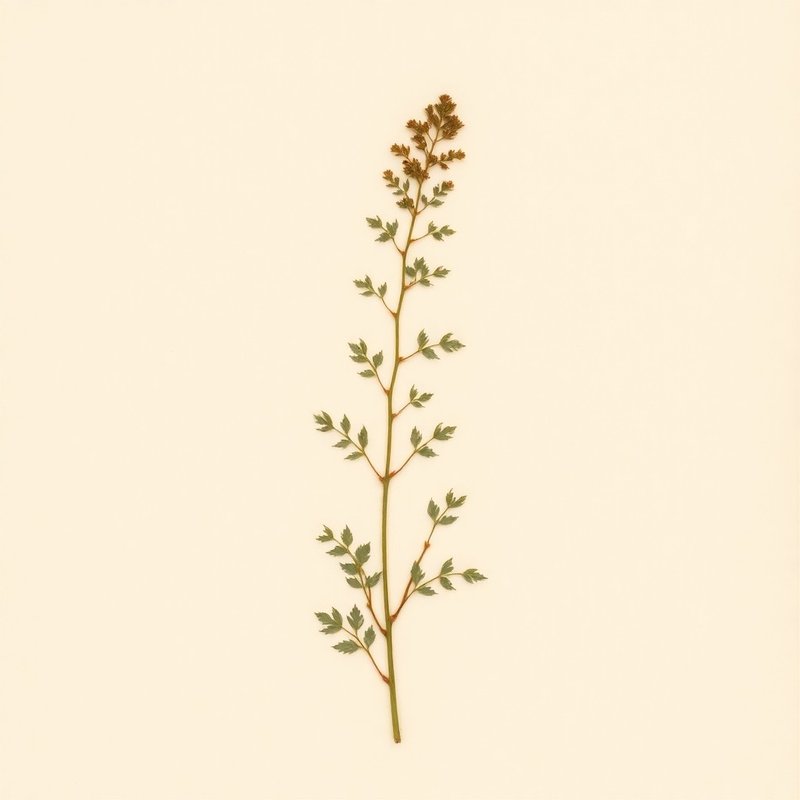
Pl. 4202 — Chenopodium urbicum
Chenopodium urbicumChenopodium urbicumChenopodium urbicumChenopodium urbicumChenopodium urbicumChenopodium urbicumChenopodium urbicumChenopodium urbicumChenopodium urbicumChenopodium urbicumChenopodium urbicumChenopodium urbicumChenopodium urbicumChenopodium urbicum
IOverview
Overview
City goosefoot, scientifically known as Chenopodium urbicum, is an annual plant that thrives in moist and light soils, often found in Central Europe, Asia, and the Mediterranean region. This plant can grow up to 0.6 meters tall and prefers full sun. It is native to countries such as Afghanistan, Albania, Austria, Belarus, and Belgium. City goosefoot is known for its edible parts, which include both leaves and seeds, making it a valuable food source in many areas where it grows. Its adaptability to various soil types—ranging from light sandy to heavy clay—and its presence across a wide range of habitats contribute to its widespread distribution.
Quick answers
What is City goosefoot?
City goosefoot, scientifically known as Chenopodium urbicum, is an annual plant that thrives in moist and light soils, often found in Central Europe, Asia, and the Mediterranean region. This plant can grow up to 0.6 meters tall and prefers full sun.
Growingconditions · propagation · uses
VCultivation
Cultivation
City goosefoot thrives in full sun and requires moist soil that can be light (sandy), medium, or heavy (clay). This annual plant grows up to 0.6 meters tall and is best suited for temperate regions. Propagate through seeds directly sown outdoors after the last frost. Ensure consistent moisture and well-draining conditions for optimal growth.
Light
Full sun
Water
Moist
Soil
Light (sandy), Medium, Heavy (clay)
Life cycle
Annual
Mature size
0.6 m tall
For first-time growers
How to grow City goosefoot for the first time
8steps
City goosefoot is a straightforward annual plant for beginners to grow.
- 1
What you'll need
Seeds, small pots or trays, potting soil, and a sunny spot in your garden.
- 2
Best time to plant
Plant City goosefoot seeds indoors about 6-8 weeks before the last expected frost date.
- 3
Soil and container prep
Use well-draining soil and containers that are at least 15 cm deep. Ensure good drainage holes in the bottom.
- 4
Sowing or transplanting
Sow seeds about 0.6 cm deep in small pots, keeping them moist until germination. Once seedlings have two true leaves, transplant to larger containers if needed.
- 5
First two weeks
Keep the soil consistently moist and place the container in a sunny spot. Water when the top inch of soil feels dry.
- 6
Ongoing care
Water regularly but avoid overwatering, especially once established. Provide full sun exposure.
- 7
Harvest or pruning
Prune any leggy growth to encourage bushy foliage and remove dead leaves as needed for maintenance.
- 8
Common mistakes
Overwatering, planting in heavy soil, not providing enough sunlight, sowing too deep, and neglecting regular watering.
VIEdible & utility
Edible & utility
Edible parts:LeavesSeed
Edible uses: The city goosefoot is edible and its leaves and seeds can be consumed. The leaves are often eaten raw in salads or cooked as a vegetable. Seeds can be harvested and used in various dishes after being dried or ground into flour.
Other uses:Dye
Contextrange · companions · related
VIIDistribution
30 native · 0 introduced
Distribution
30 native · 0 introducedDistribution across2 continents· 30 native
Europe12 regions
native (12)AlbaniaAustriaBelarusBelgiumBulgariaCyprusFranceGermanyGreeceHungaryItalyRussia
Asia5 regions
native (5)AfghanistanChinaIranIraqKazakhstan
Broader regions
native:Kirgizstan, Irkutsk, Kamchatka, Altay, Amur, Baltic States, Buryatiya, Chita, Czechoslovakia, East Aegean Is., Krasnoyarsk
IXSpecimen gallery
1 image
Specimen gallery
1 imageXI
Explore further
Companion planting
XII
About this entry
- Last updated
- Citation
- How to cite this entry · Submit a correction
Back to the cataloguePlant id · 42029d4f-94e4-4a2f-a691-ad12003cceb7
Decision aid
Choosing between City goosefoot and something else?
Continue reading
❦❦❦❦
Endpaper · archive updates
Get archive updates
Occasional email when substantial new content lands — plant profiles, seasonal growing notes, folk-remedy additions. Free, no tracking, unsubscribe anytime.