
White Goosefoot
Chenopodium viride
Educational content — not medical, botanical, or professional advice. Plant identification, safety, and edibility depend on local conditions, cultivars, and correct identification. Consult a qualified botanist or forager before consuming or handling wild specimens. How we source & review →
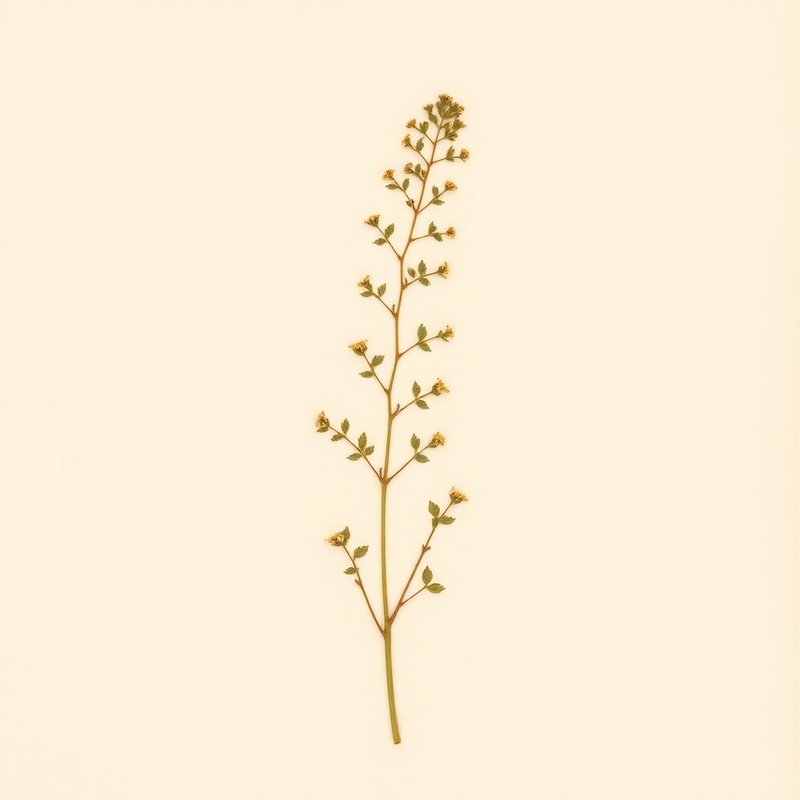
Pl. B614 — Chenopodium viride
Chenopodium virideChenopodium virideChenopodium virideChenopodium virideChenopodium virideChenopodium virideChenopodium virideChenopodium virideChenopodium virideChenopodium virideChenopodium virideChenopodium virideChenopodium virideChenopodium viride
IOverview
Overview
White Goosefoot (Chenopodium viride) is an annual forb or herb native to regions including Afghanistan, Albania, and Algeria. It thrives in moist conditions with light to heavy soil types, particularly preferring a pH range of 5.5–6.5. This plant can grow up to 0.9 meters tall and is known for its edible leaves and seeds, making it a valuable food source in many areas. Its native range extends across Europe, Asia, and North Africa, indicating its adaptability to diverse climates. One distinctive feature of White Goosefoot is its light energy requirement, with an energetics rating of 8/10, suggesting it can grow well even in less intense sunlight.
Quick answers
What is White Goosefoot?
White Goosefoot (Chenopodium viride) is an annual forb or herb native to regions including Afghanistan, Albania, and Algeria. It thrives in moist conditions with light to heavy soil types, particularly preferring a pH range of 5.5–6.5. This plant can grow up to 0.
Growingconditions · propagation · uses
VCultivation
Cultivation
White Goosefoot thrives in light to medium soils with a pH between 5.5 and 6.5, preferring sandy, loamy, or clayey conditions. It requires moist soil and full sun to partial shade for optimal growth. The plant is hardy in temperate regions but can be sensitive to extreme temperatures. For propagation, sow seeds directly in the garden after all danger of frost has passed. White Goosefoot grows up to 0.9 meters tall and is an annual forb/herb. Harvest its leaves and seeds for culinary use.
Light
8/10
Water
Moist
Soil
Light (sandy), Medium, Heavy (clay)
Life cycle
Annual
Habit
Forb/herb
Mature size
0.9 m tall
Soil pH
5.5–6.5
For first-time growers
How to grow White Goosefoot for the first time
8steps
White Goosefoot is a forgiving plant for beginners, making it an excellent choice for your first gardening project.
- 1
What you'll need
Seeds or seedlings, a small trowel, and a watering can.
- 2
Best time to plant
Plant in spring after the last frost, when temperatures are mild.
- 3
Soil and container prep
Choose a spot with well-draining soil that is light (sandy), medium, or heavy. Ensure the pH is between 5.5 and 6.5.
- 4
Sowing or transplanting
Direct sow seeds in the garden or start them indoors about four weeks before planting outside. Space plants about 30 cm apart.
- 5
First two weeks
Keep soil consistently moist and protect from strong winds until established.
- 6
Ongoing care
Water regularly, especially during dry spells, but avoid overwatering. Mulch to retain moisture and suppress weeds.
- 7
Harvest or pruning
Prune occasionally to encourage bushy growth and remove any yellowing leaves.
- 8
Common mistakes
Overwatering, planting in heavy shade, neglecting regular pruning.
VIEdible & utility
Edible & utility
Edible parts:LeavesSeed
Edible uses: The white goosefoot is edible and can be consumed in various forms. Its leaves and seeds are commonly used. The leaves can be eaten raw or cooked, while the seeds are often dried before consumption. This versatile plant thrives in light to medium soil with a pH between 5.5 and 6.5.
Other uses:Dye
Contextrange · companions · related
VIIDistribution
30 native · 0 introduced
Distribution
30 native · 0 introducedDistribution across3 continents· 30 native
Europe10 regions
native (10)AlbaniaAustriaBelarusBelgiumBulgariaCyprusFrancePortugalRussiaSpain
Asia4 regions
native (4)AfghanistanBangladeshChinaIndia
Africa5 regions
native (5)AlgeriaCabo VerdeDjiboutiEgyptEthiopia
Broader regions
native:Altay, Baltic States, Buryatiya, Chita, Czechoslovakia, East Aegean Is., East Himalaya
IXSpecimen gallery
1 image
Specimen gallery
1 imageXI
Explore further
Companion planting
XII
About this entry
- Last updated
- Citation
- How to cite this entry · Submit a correction
Back to the cataloguePlant id · b614c24f-5958-4572-bbf6-4f3ff153697e
Decision aid
Choosing between White Goosefoot and something else?
Continue reading
❦❦❦❦
Endpaper · archive updates
Get archive updates
Occasional email when substantial new content lands — plant profiles, seasonal growing notes, folk-remedy additions. Free, no tracking, unsubscribe anytime.