
Chesneya nubigena
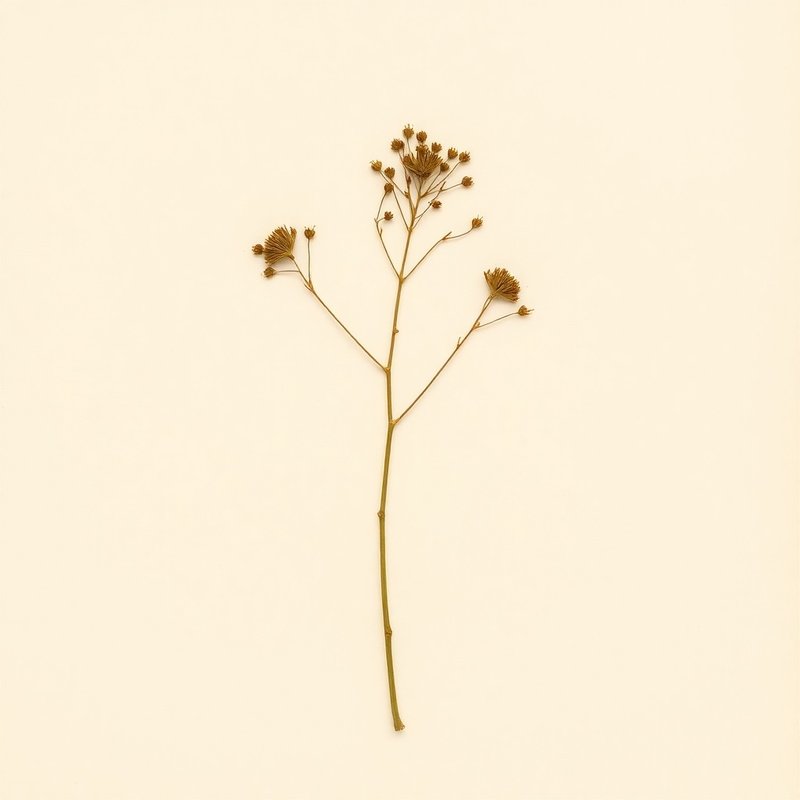
IOverview
Overview
Chesneya nubigena is a perennial plant native to the mountainous regions of China South-Central, East Himalaya, Myanmar, Nepal, Tibet, and West Himalaya. This plant thrives in light, sandy or medium-textured soils, preferring full sun and moist, well-draining conditions. It is part of the Fabaceae or leguminosae family, known for its ability to adapt to cooler, high-altitude climates. The seeds of Chesneya nubigena are edible and can be consumed raw or cooked, making them a valuable addition to meals or enjoyed as a snack. They are often prepared by boiling or roasting to enhance their flavor and texture. This plant is particularly notable for its edible seeds, which are a nutritious and versatile food source in its native range. While it is not known for medicinal properties, its cultivation and use as a food source make it an interesting choice for gardeners interested in incorporating unique and hardy plants into their landscapes.
What is Chesneya nubigena?
Chesneya nubigena is a perennial plant native to the mountainous regions of China South-Central, East Himalaya, Myanmar, Nepal, Tibet, and West Himalaya. This plant thrives in light, sandy or medium-textured soils, preferring full sun and moist, well-draining conditions.
VCultivation
Cultivation
How to grow Chesneya nubigena for the first time
Start with Chesneya nubigena by providing it the right conditions and care, focusing on basic gardening techniques.
- 1
What you'll need
A container or garden bed, seeds, a trowel, water.
- 2
Best time to plant
Plant in spring when temperatures are mild and stable.
- 3
Soil and container prep
Use light soil with good drainage. Ensure the container has holes for excess water.
- 4
Sowing or transplanting
Direct sow seeds into the prepared soil, covering them lightly. Keep moist until germination.
- 5
First two weeks
Water regularly to keep the soil consistently moist but not soggy. Monitor for signs of stress.
- 6
Ongoing care
Provide full sun and regular watering as needed. Avoid overwatering, especially in winter.
- 7
Harvest or pruning
Focus on maintaining the plant's health through regular care rather than harvesting.
- 8
Common mistakes
Overwatering, planting too deep, neglecting sunlight, and using unsuitable soil types.
VIEdible & utility
Edible & utility
VIIDistribution
6 native · 0 introduced
Distribution
6 native · 0 introducedIXSpecimen gallery
1 image
Specimen gallery
1 imageExplore further
About this entry
- Last updated
- Citation
- How to cite this entry · Submit a correction
Continue reading
Get archive updates
Occasional email when substantial new content lands — plant profiles, seasonal growing notes, folk-remedy additions. Free, no tracking, unsubscribe anytime.