
Mexican orange
Choisya ternata
Educational content — not medical, botanical, or professional advice. Plant identification, safety, and edibility depend on local conditions, cultivars, and correct identification. Consult a qualified botanist or forager before consuming or handling wild specimens. How we source & review →
perennialshrubs
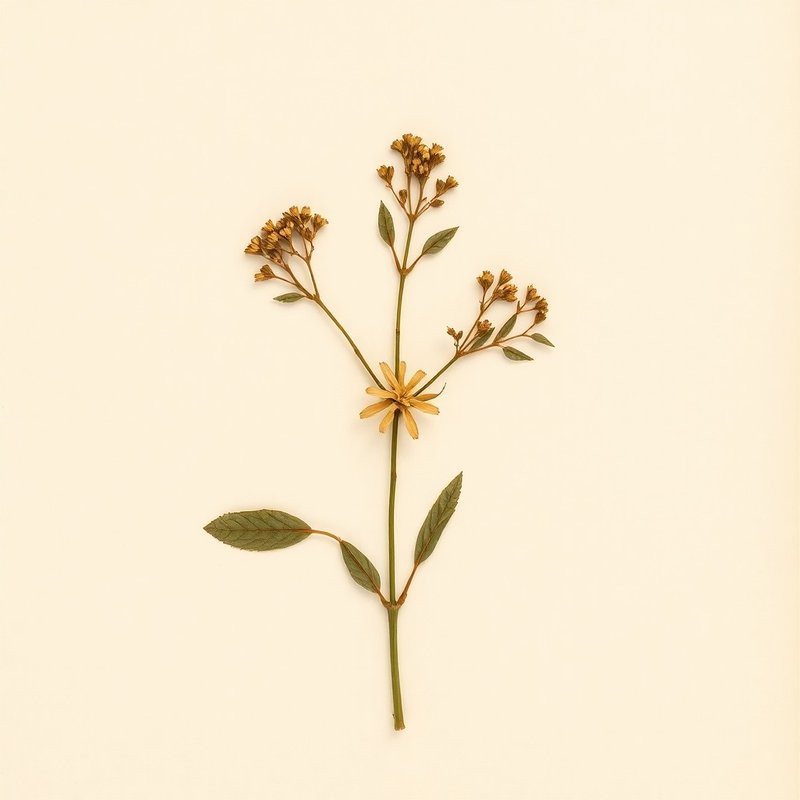
Pl. FBDC — Choisya ternata
Choisya ternataChoisya ternataChoisya ternataChoisya ternataChoisya ternataChoisya ternataChoisya ternataChoisya ternataChoisya ternataChoisya ternataChoisya ternataChoisya ternataChoisya ternataChoisya ternata
IOverview
Overview
The Mexican orange is a perennial plant native to central, gulf, northeast, and southwest Mexico. It belongs to the Rutaceae family and is known for its ornamental value. This plant can thrive in various lighting conditions, from full sun to full shade, and prefers moist soil with a light to medium texture. The Mexican orange is a notable addition to gardens due to its attractive foliage and fragrant flowers. One of its distinctive features is its ability to grow up to a considerable height, making it a striking presence in landscapes. Its hardiness and adaptability also make it a popular choice for cultivation in certain regions.
Quick answers
What is Mexican orange?
The Mexican orange is a perennial plant native to central, gulf, northeast, and southwest Mexico. It belongs to the Rutaceae family and is known for its ornamental value. This plant can thrive in various lighting conditions, from full sun to full shade, and prefers moist soil with a light to medium texture.
Growingconditions · propagation · uses
VCultivation
Cultivation
This perennial plant thrives in full sun, partial sun, or full shade, giving gardeners flexibility in placement. It prefers moist soil with a light to medium texture, such as sandy soil. Watering should maintain consistent moisture. Hardy in zones 6-9, it can tolerate a range of temperatures. To propagate, gardeners can use methods suitable for perennials, although specific techniques are not detailed. With proper care, it can grow up to 3 meters tall, making it a substantial addition to gardens in temperate regions with suitable conditions.
Light
Full sun, Partial sun/shade, Full shade
Water
Moist
Soil
Light (sandy), Medium
Hardiness
6-9
Life cycle
Perennial
Mature size
3.0 m tall
For first-time growers
How to grow Mexican orange for the first time
7steps
Start with a simple, low-maintenance perennial that thrives in partial sun and well-draining soil.
- 1
What you'll need
A Mexican orange plant or young sapling, a small trowel, and some compost.
- 2
Best time to plant
Plant in spring when the weather is mild and there's no risk of frost.
- 3
Soil and container prep
Ensure the soil is well-draining with plenty of organic matter. For containers, use a potting mix suitable for shrubs.
- 4
Sowing or transplanting
Transplant young saplings into your garden bed or a large container. Dig a hole slightly larger than the root ball.
- 5
First two weeks
Water regularly to keep the soil moist but not waterlogged. Avoid direct sunlight for the first few days.
- 6
Ongoing care
Provide partial sun and regular watering, especially during dry spells. Prune lightly in late winter to maintain shape.
- 7
Harvest or pruning
Prune in late winter to encourage new growth and remove any dead or damaged branches.
VIEdible & utility
Edible & utility
Other uses:HedgerowFragrance
Contextrange · companions · related
VIIDistribution
4 native · 1 introduced
Distribution
4 native · 1 introducedDistribution across1 continent· 4 native· 1 introduced
Europe1 region
introduced (1)Portugal
Broader regions
native:Mexico Gulf, Mexico Northeast, Mexico Southwest, Mexico Central
IXSpecimen gallery
1 image
Specimen gallery
1 imageXI
Explore further
Companion planting
Growing zone
XII
About this entry
- Last updated
- Citation
- How to cite this entry · Submit a correction
Back to the cataloguePlant id · fbdc86de-7044-4ed6-84f1-03fbc00d8275
Decision aid
Choosing between Mexican orange and something else?
Continue reading
❦❦❦❦
Endpaper · archive updates
Get archive updates
Occasional email when substantial new content lands — plant profiles, seasonal growing notes, folk-remedy additions. Free, no tracking, unsubscribe anytime.