
Chorispora sabulosa
IOverview
Overview
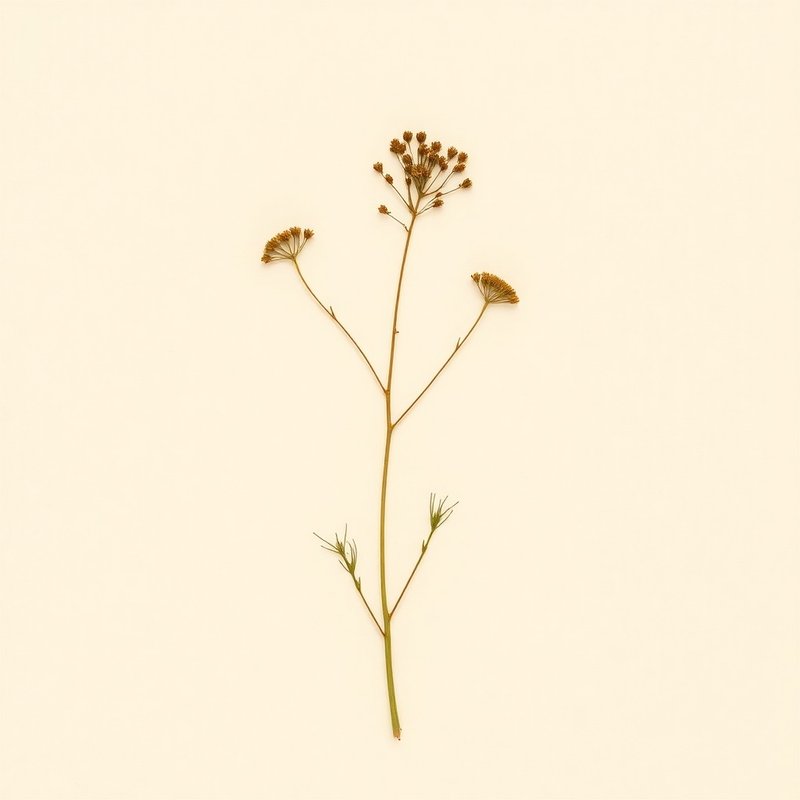
Chorispora sabulosa, a perennial plant native to the arid and semi-arid regions of Kazakhstan, Kirgizstan, Pakistan, Tajikistan, Tibet, Uzbekistan, and West Himalaya, thrives in a variety of soil types, including light (sandy), medium, and heavy (clay), and can tolerate both dry and moist conditions. It prefers full sun to partial shade and grows to a height of 0.1 meters. This plant is notable for its edible fruit, which can be consumed fresh or dried for later use. Its adaptability and resilience make Chorispora sabulosa an interesting subject for botanical studies and potentially useful as a food source in arid environments. While not medicinal, its edible parts and growing versatility make it a valuable addition to gardens and landscapes in suitable climates.
What is Chorispora sabulosa?
Chorispora sabulosa, a perennial plant native to the arid and semi-arid regions of Kazakhstan, Kirgizstan, Pakistan, Tajikistan, Tibet, Uzbekistan, and West Himalaya, thrives in a variety of soil types, including light (sandy), medium, and heavy (clay), and can tolerate both dry and moist conditions.
VCultivation
Cultivation
How to grow Chorispora sabulosa for the first time
Start with Chorispora sabulosa by planting it in a sunny spot and providing minimal care.
- 1
What you'll need
A small plant or seeds, a pot if container gardening, well-draining soil.
- 2
Best time to plant
Plant Chorispora sabulosa in spring when the last frost has passed.
- 3
Soil and container prep
Use light, medium, or heavy soil depending on availability. Ensure good drainage.
- 4
Sowing or transplanting
Direct sow seeds 0.1 meters apart in well-prepared soil or transplant a small plant.
- 5
First two weeks
Water sparingly to keep the soil moist but not waterlogged. Avoid overwatering.
- 6
Ongoing care
Provide full sun to partial shade and minimal watering once established.
- 7
Harvest or pruning
Prune any dead or damaged parts as needed, focusing on maintaining plant health.
- 8
Common mistakes
Overwatering, planting in unsuitable soil types, not providing enough sunlight.
VIEdible & utility
Edible & utility
VIIDistribution
7 native · 0 introduced
Distribution
7 native · 0 introducedIXSpecimen gallery
1 image
Specimen gallery
1 imageExplore further
About this entry
- Last updated
- Citation
- How to cite this entry · Submit a correction
Continue reading
Get archive updates
Occasional email when substantial new content lands — plant profiles, seasonal growing notes, folk-remedy additions. Free, no tracking, unsubscribe anytime.