
Vetiver
Chrysopogon zizanioides
Educational content — not medical, botanical, or professional advice. Plant identification, safety, and edibility depend on local conditions, cultivars, and correct identification. Consult a qualified botanist or forager before consuming or handling wild specimens. How we source & review →
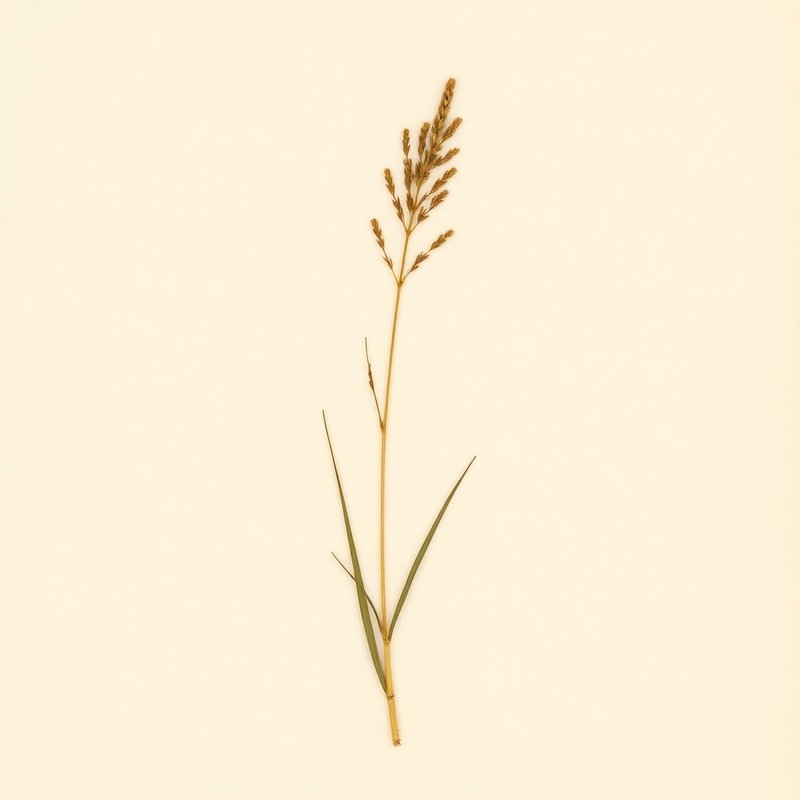
Pl. 1787 — Chrysopogon zizanioides
Chrysopogon zizanioidesChrysopogon zizanioidesChrysopogon zizanioidesChrysopogon zizanioidesChrysopogon zizanioidesChrysopogon zizanioidesChrysopogon zizanioidesChrysopogon zizanioidesChrysopogon zizanioidesChrysopogon zizanioidesChrysopogon zizanioidesChrysopogon zizanioidesChrysopogon zizanioidesChrysopogon zizanioides
IOverview
Overview
Vetiver, scientifically known as Chrysopogon zizanioides, is a hardy perennial grass native to regions including the Andaman Islands, Borneo, Cambodia, Jawa, Laos, Lesser Sunda Islands, Myanmar, Philippines, Sumatera, Thailand, and Vietnam. This plant thrives in moist, wet environments with partial sun or shade and prefers light (sandy) to medium soil types. Growing up to 1.8 meters tall, vetiver is known for its edible roots, making it a valuable resource in certain areas of its native range. Its adaptability and usefulness as an ornamental plant contribute to its widespread cultivation.
Quick answers
What is Vetiver?
Vetiver, scientifically known as Chrysopogon zizanioides, is a hardy perennial grass native to regions including the Andaman Islands, Borneo, Cambodia, Jawa, Laos, Lesser Sunda Islands, Myanmar, Philippines, Sumatera, Thailand, and Vietnam.
Growingconditions · propagation · uses
VCultivation
Cultivation
Vetiver thrives in full to partial sun and prefers moist to wet conditions, making it suitable for areas with high humidity. It grows best in light (sandy) or medium soil types. Vetiver is hardy in zones 7-11, so it requires protection in colder climates. For propagation, use the root parts, which can be divided or planted directly. Regular watering and ample sunlight are key to its success.
Light
Full sun, Partial sun/shade
Water
Moist, Wet
Soil
Light (sandy), Medium
Hardiness
7-11
Life cycle
Perennial
Mature size
1.8 m tall
For first-time growers
How to grow Vetiver for the first time
8steps
Start with vetiver by planting it in a sunny spot and providing moist soil, perfect for beginners.
- 1
What you'll need
Vetiver plants or seeds, garden tools like a spade and rake.
- 2
Best time to plant
Plant vetiver in spring when the weather is warm and stable.
- 3
Soil and container prep
Choose a location with well-draining soil that's moist but not waterlogged. Ensure containers have drainage holes.
- 4
Sowing or transplanting
Transplant vetiver plants from nurseries, spacing them 1-2 meters apart for best growth. If using seeds, sow them shallowly in the soil.
- 5
First two weeks
Water regularly to keep the soil moist but not soggy. Avoid overwatering which can lead to root rot.
- 6
Ongoing care
Vetiver prefers full sun or partial shade, water it once a week unless there's heavy rainfall. Trim back any dead leaves for better appearance.
- 7
Harvest or pruning
Prune vetiver to maintain its shape and remove any yellowing leaves. This can be done throughout the growing season.
- 8
Common mistakes
Overwatering, planting in poorly drained soil, not providing enough sunlight, neglecting regular pruning.
VIEdible & utility
Edible & utility
Edible parts:Root
Edible uses: Oil
Other uses:Weaving materialBiomassCosmeticEssential OilHedgerowPest controloiltextilesSoap makingSoil reclamationErosion control
Contextrange · companions · related
VIIDistribution
12 native · 18 introduced
Distribution
12 native · 18 introducedDistribution across3 continents· 12 native· 18 introduced
Asia9 regions
native (6)CambodiaLaosMyanmarPhilippinesThailandVietnam
introduced (3)BangladeshChinaIndia
Americas6 regions
introduced (6)BelizeColombiaCosta RicaCubaDominican RepublicEl Salvador
Africa2 regions
introduced (2)CameroonComoros
Broader regions
native:Jawa, Sumatera, Borneo, Andaman Is., Lesser Sunda Is., Sulawesi
introduced:Cook Is., Congo, Argentina Northwest, Caroline Is., Brazil Northeast, East Himalaya
IXSpecimen gallery
1 image
Specimen gallery
1 imageXI
Explore further
Companion planting
Growing zone
XII
About this entry
- Last updated
- Citation
- How to cite this entry · Submit a correction
Back to the cataloguePlant id · 17872e66-2ce1-469e-bba8-36e7b9e0d500
Decision aid
Choosing between Vetiver and something else?
Continue reading
❦❦❦❦
Endpaper · archive updates
Get archive updates
Occasional email when substantial new content lands — plant profiles, seasonal growing notes, folk-remedy additions. Free, no tracking, unsubscribe anytime.