
Camphor
Cinnamomum camphora
Educational content — not medical, botanical, or professional advice. Always consult a qualified clinician before using any herbal preparation — especially during pregnancy, breastfeeding, while on medication, or for children. How we source & review →
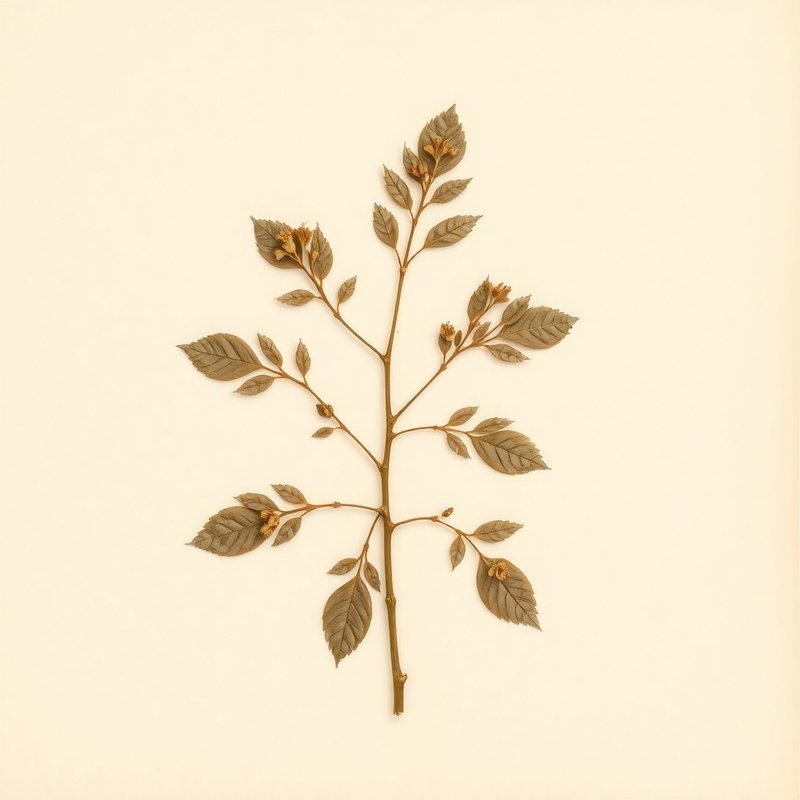
Pl. 3662 — Cinnamomum camphora
Cinnamomum camphoraCinnamomum camphoraCinnamomum camphoraCinnamomum camphoraCinnamomum camphoraCinnamomum camphoraCinnamomum camphoraCinnamomum camphoraCinnamomum camphoraCinnamomum camphoraCinnamomum camphoraCinnamomum camphoraCinnamomum camphoraCinnamomum camphora
IOverview
Overview
Camphor (Cinnamomum camphora) is a tree native to Japan, Korea, Nansei-shoto, and Taiwan. Known for its ornamental value and historical use in medicine, this evergreen can grow up to 6 meters tall. It thrives in moist environments with light to partial shade and prefers soil that is light (sandy), medium, or heavy (clay). Camphor trees are hardy in zones 9-11 and are valued for their edible leaves and shoots. Their distinctive feature includes the aromatic resinous material found within the bark, which has been used traditionally for various purposes.
Quick answers
What is Camphor?
Camphor (Cinnamomum camphora) is a tree native to Japan, Korea, Nansei-shoto, and Taiwan. Known for its ornamental value and historical use in medicine, this evergreen can grow up to 6 meters tall.
IV·bMixology suggestions
1 draft
Mixology suggestions
1 draftEditorial drafts. These pairings are AI-suggested from traditional herbal lore. Always verify with a qualified herbalist before brewing.
Growingconditions · propagation · uses
VCultivation
Cultivation
Camphor thrives in full to partial sun and prefers moist soil that can be light (sandy), medium, or heavy (clay). It is hardy in zones 9-11, making it suitable for warmer climates. For cultivation, ensure the plant gets adequate water and grows best with regular pruning to maintain its shape. The edible parts include leaves and shoots.
Light
Full sun, Partial sun/shade
Water
Moist
Soil
Light (sandy), Medium, Heavy (clay)
Hardiness
9-11
Mature size
6.0 m tall
For first-time growers
How to grow Camphor for the first time
8steps
Start with a simple planting of Camphor in your garden for a low-maintenance, attractive tree.
- 1
What you'll need
A young Camphor sapling and some basic gardening tools like a spade and watering can.
- 2
Best time to plant
Plant in spring or early fall when the weather is mild.
- 3
Soil and container prep
Ensure the soil is well-draining, with a mix of light (sandy), medium, and heavy (clay) soils. For containers, use a potting mix suitable for trees.
- 4
Sowing or transplanting
Transplant your sapling into a prepared hole that's slightly larger than the root ball. Gently spread out the roots before covering with soil.
- 5
First two weeks
Water regularly to keep the soil moist but not waterlogged. Avoid direct sunlight for the first few days to prevent leaf burn.
- 6
Ongoing care
Provide full sun or partial shade, and water when the top inch of soil feels dry. Fertilize once a year in spring with a general-purpose fertilizer.
- 7
Harvest or pruning
Prune to maintain shape during late winter or early spring before new growth starts. Leaves can be harvested for scenting purposes but are not commonly used.
- 8
Common mistakes
Overwatering, planting in full sun without acclimatization, and using the wrong soil type.
VIEdible & utility
Edible & utility
Edible parts:LeavesShoots
Edible uses: Condiment
Other uses:DeodorantEssential OilPreservativeLumberFragrance
Contextrange · companions · related
VIIDistribution
4 native · 26 introduced
Distribution
4 native · 26 introducedDistribution across4 continents· 4 native· 26 introduced
Asia6 regions
native (3)JapanSouth KoreaTaiwan
introduced (3)ChinaLaosNepal
Americas3 regions
introduced (3)El SalvadorHondurasUnited States
Africa3 regions
introduced (3)GuineaMauritiusSeychelles
Oceania1 region
introduced (1)Fiji
Broader regions
native:Nansei-shoto
introduced:Caroline Is., East Himalaya, Florida, Gulf of Guinea Is., Hainan, Leeward Is., Louisiana, Marianas, Mississippi, New South Wales, Norfolk Is., North Carolina, Queensland, Réunion, South Carolina
IXSpecimen gallery
1 image
Specimen gallery
1 imageXI
Explore further
Companion planting
Growing zone
XII
About this entry
- Last updated
- Citation
- How to cite this entry · Submit a correction
Back to the cataloguePlant id · 3662793b-1e24-4bfd-ae87-49ccf194779d
Decision aid
Choosing between Camphor and something else?
Continue reading
❦❦❦❦
Endpaper · archive updates
Get archive updates
Occasional email when substantial new content lands — plant profiles, seasonal growing notes, folk-remedy additions. Free, no tracking, unsubscribe anytime.