
Cirsium japonicum
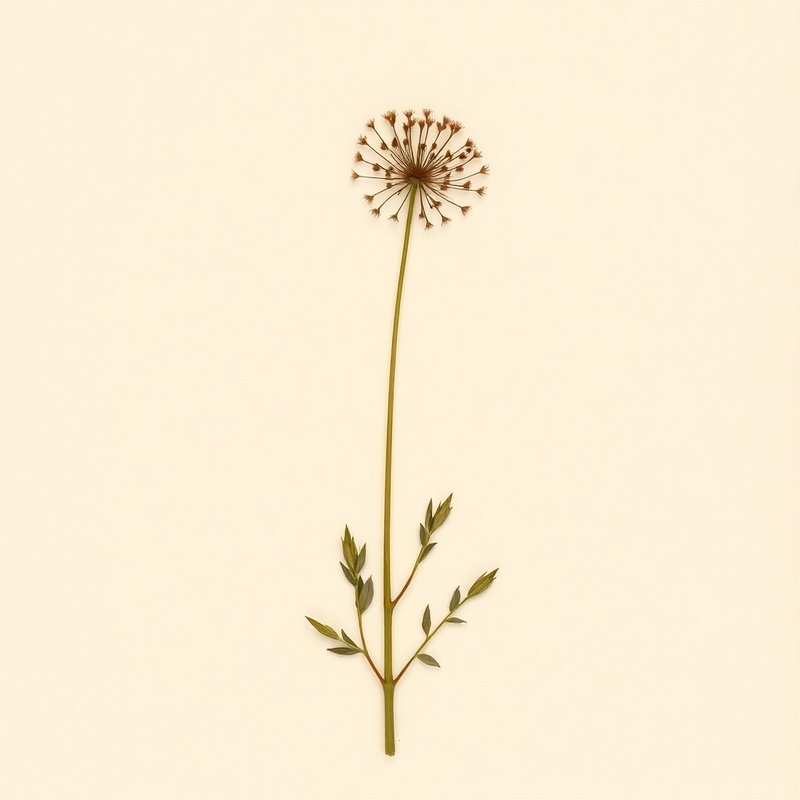
IOverview
Overview
Cirsium japonicum, a biennial or perennial plant native to regions of China and Korea, including Inner Mongolia, Taiwan, and Vietnam, thrives in moist conditions with light full sun exposure. This plant is adaptable to various soil types, from sandy to heavy clay, making it resilient in diverse environments. Known for its edible leaves and roots, Cirsium japonicum is commonly found in areas with a hardiness zone of 5-9. Its distinctive features include a height of about 0.9 meters and the ability to grow in both moist and well-drained soils, contributing to its widespread presence across its native range. This plant is also introduced into Poland, where it may pose a weed potential. For cultivation, ensure the soil is well-draining yet retains moisture. Propagate through seeds or division, and enjoy its edible leaves and roots.
What is Cirsium japonicum?
Cirsium japonicum, a biennial or perennial plant native to regions of China and Korea, including Inner Mongolia, Taiwan, and Vietnam, thrives in moist conditions with light full sun exposure. This plant is adaptable to various soil types, from sandy to heavy clay, making it resilient in diverse environments.
VCultivation
Cultivation
How to grow Cirsium japonicum for the first time
Start with Cirsium japonicum as a simple, low-maintenance addition to your garden.
- 1
What you'll need
Seeds or young plants, a trowel, and a watering can.
- 2
Best time to plant
Plant in spring after the last frost or in early fall.
- 3
Soil and container prep
Choose a location with well-draining soil that is light (sandy), medium, or heavy (clay). Ensure full sun exposure.
- 4
Sowing or transplanting
Direct sow seeds in the ground or start them indoors 4-6 weeks before planting outside. Transplant young plants if needed.
- 5
First two weeks
Water regularly to keep soil moist but not waterlogged. Monitor for pests and diseases.
- 6
Ongoing care
Provide consistent moisture, especially during dry periods. Mulch around the base to retain moisture and suppress weeds.
- 7
Harvest or pruning
Prune dead leaves and spent flowers to encourage new growth and maintain plant health.
- 8
Common mistakes
Overwatering, planting in poor soil conditions, neglecting to provide full sun exposure, and not mulching properly.
VIEdible & utility
Edible & utility
VIIDistribution
9 native · 1 introduced
Distribution
9 native · 1 introducedIXSpecimen gallery
1 image
Specimen gallery
1 imageExplore further
About this entry
- Last updated
- Citation
- How to cite this entry · Submit a correction
Continue reading
Get archive updates
Occasional email when substantial new content lands — plant profiles, seasonal growing notes, folk-remedy additions. Free, no tracking, unsubscribe anytime.