
Cirsium spicatum
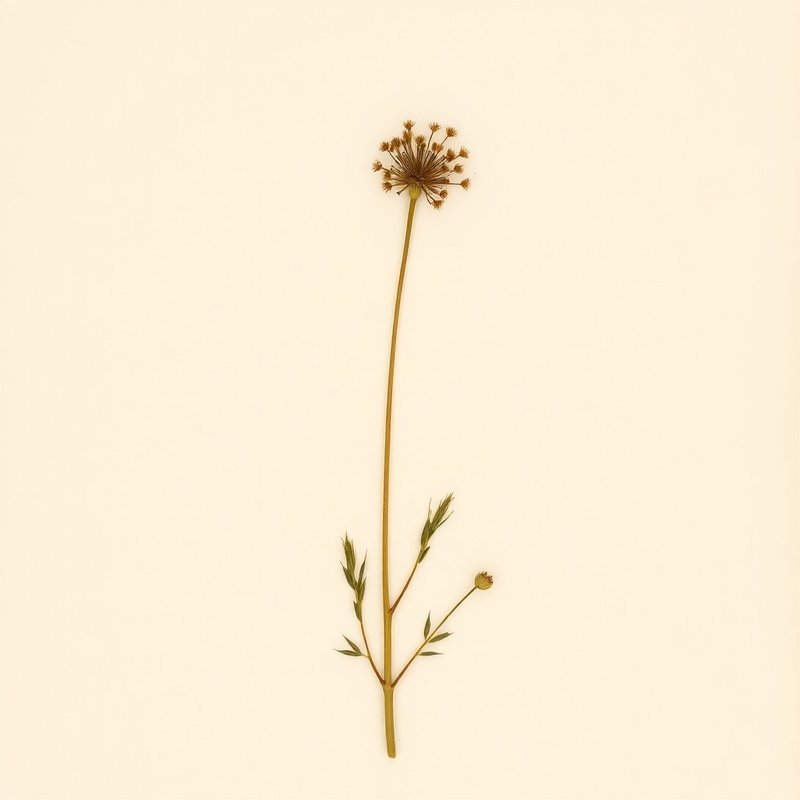
IOverview
Overview
Cirsium spicatum, a member of the Astrosomeae family and native to Japan, is a perennial plant that can grow up to 1.8 meters in height. Known for its edible leaves and roots, this plant thrives in moist conditions and prefers light (sandy), medium, or heavy (clay) soil. It requires full sun exposure and is particularly suited to habitats where it can spread freely. This plant's distinctive feature lies in its versatile use as an edible, making it a valuable addition to gardens or landscapes where its ornamental value complements its practical benefits. For cultivation, ensure the soil remains consistently moist while providing ample sunlight. Propagation can occur through root division or seed sowing. Harvest edible parts—leaves and roots—from established plants. While Cirsium spicatum is not known for medicinal uses, it is important to exercise caution when consuming any plant and to consult a professional if you have specific health concerns.
What is Cirsium spicatum?
Cirsium spicatum, a member of the Astrosomeae family and native to Japan, is a perennial plant that can grow up to 1.8 meters in height. Known for its edible leaves and roots, this plant thrives in moist conditions and prefers light (sandy), medium, or heavy (clay) soil.
VCultivation
Cultivation
How to grow Cirsium spicatum for the first time
Start with Skip by ensuring you have the right conditions and care, making it a simple addition to your garden.
- 1
What you'll need
A sunny spot in your garden, seeds or young plants, and tools for planting.
- 2
Best time to plant
Plant Skip in spring after the last frost or in early fall.
- 3
Soil and container prep
Ensure the soil is well-draining with a mix of light, medium, and heavy textures. Amend as needed for moisture retention.
- 4
Sowing or transplanting
Direct sow seeds in the ground or start them indoors 4-6 weeks before planting outside. Transplant young plants carefully.
- 5
First two weeks
Water regularly to keep the soil moist but not waterlogged, and protect from extreme weather conditions.
- 6
Ongoing care
Provide full sun exposure and regular watering, especially during dry spells. Mulch around the plant for moisture retention.
- 7
Harvest or pruning
Prune dead leaves and spent flowers to encourage new growth and maintain a tidy appearance.
- 8
Common mistakes
Overwatering, planting in too heavy soil, neglecting to prune, and not providing enough sunlight.
VIEdible & utility
Edible & utility
VIIDistribution
1 native · 0 introduced
Distribution
1 native · 0 introducedIXSpecimen gallery
1 image
Specimen gallery
1 imageExplore further
About this entry
- Last updated
- Citation
- How to cite this entry · Submit a correction
Continue reading
Get archive updates
Occasional email when substantial new content lands — plant profiles, seasonal growing notes, folk-remedy additions. Free, no tracking, unsubscribe anytime.