
Veldt Grape
IOverview
Overview
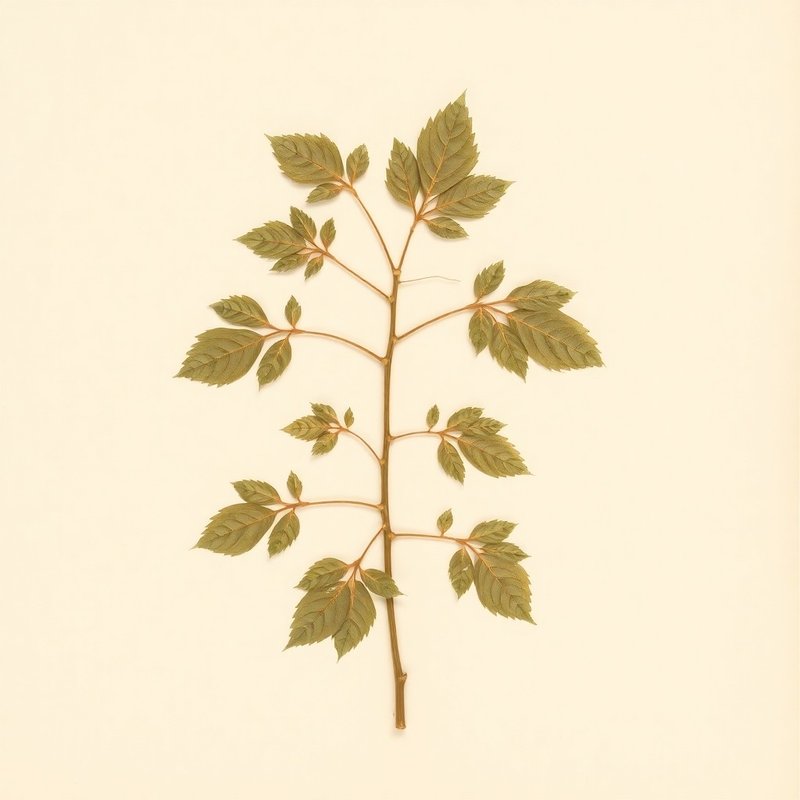
Veldt Grape, scientifically known as *Cissus quadrangularis*, is a sprawling vine native to a wide range of countries across Africa and Asia, including Angola, Bangladesh, Benin, Burkina, Burundi, Cameroon, and Ethiopia. This adaptable plant thrives in full sun and can grow up to 5 meters tall, making it a versatile addition to gardens or landscapes. Veldt Grape is known for its edible parts, which include the fruit, leaves, shoots, and stems. These parts can be consumed fresh or cooked, enhancing the flavor and texture of the plant. The veldt grape can be found in various regions, including the Andaman Islands, Cambodia, and Cuba, among others. The plant's distinctive square stem sets it apart from other climbing plants, providing a unique visual appeal. It is native to Angola, Bangladesh, Benin, Burkina, Burundi, Cameroon, and many other countries, making it a valuable addition to gardens in these regions. Veldt Grape is also useful for erosion control and can serve as a hedgerow. It grows quickly and is hardy in zones 10-12, though it can be grown as an annual in cooler climates. This vine prefers light (sandy), medium, or heavy (clay) soils and can tolerate both dry and moist conditions, making it a resilient choice for gardeners.
What is Veldt Grape?
Veldt Grape, scientifically known as *Cissus quadrangularis*, is a sprawling vine native to a wide range of countries across Africa and Asia, including Angola, Bangladesh, Benin, Burkina, Burundi, Cameroon, and Ethiopia.
VCultivation
Cultivation
How to grow Veldt Grape for the first time
Start with a simple, sunny spot and basic soil to grow Veldt Grape successfully.
- 1
What you'll need
Seeds or small plants, potting mix, container, watering can.
- 2
Best time to plant
Plant in spring when the weather starts warming up.
- 3
Soil and container prep
Use a well-draining potting mix. Ensure your container has drainage holes.
- 4
Sowing or transplanting
Direct sow seeds outdoors after all danger of frost is past, or start indoors 4-6 weeks before planting out.
- 5
First two weeks
Keep the soil moist but not waterlogged. Place in a sunny spot to encourage growth.
- 6
Ongoing care
Water when the top inch of soil feels dry, especially during hot weather. Provide full sun for best results.
- 7
Harvest or pruning
Prune stems as needed to maintain shape and size. Harvest leaves and shoots for culinary use.
- 8
Common mistakes
Overwatering, planting in heavy soil, not providing enough sunlight, neglecting regular pruning.
VIEdible & utility
Edible & utility
VIIDistribution
44 native · 16 introduced
Distribution
44 native · 16 introducedIXSpecimen gallery
1 image
Specimen gallery
1 imageExplore further
About this entry
- Last updated
- Citation
- How to cite this entry · Submit a correction
Continue reading
Get archive updates
Occasional email when substantial new content lands — plant profiles, seasonal growing notes, folk-remedy additions. Free, no tracking, unsubscribe anytime.