
Citrumelo
Citroncirus
Educational content — not medical, botanical, or professional advice. Plant identification, safety, and edibility depend on local conditions, cultivars, and correct identification. Consult a qualified botanist or forager before consuming or handling wild specimens. How we source & review →
Garden journal pausedUse profile notes below
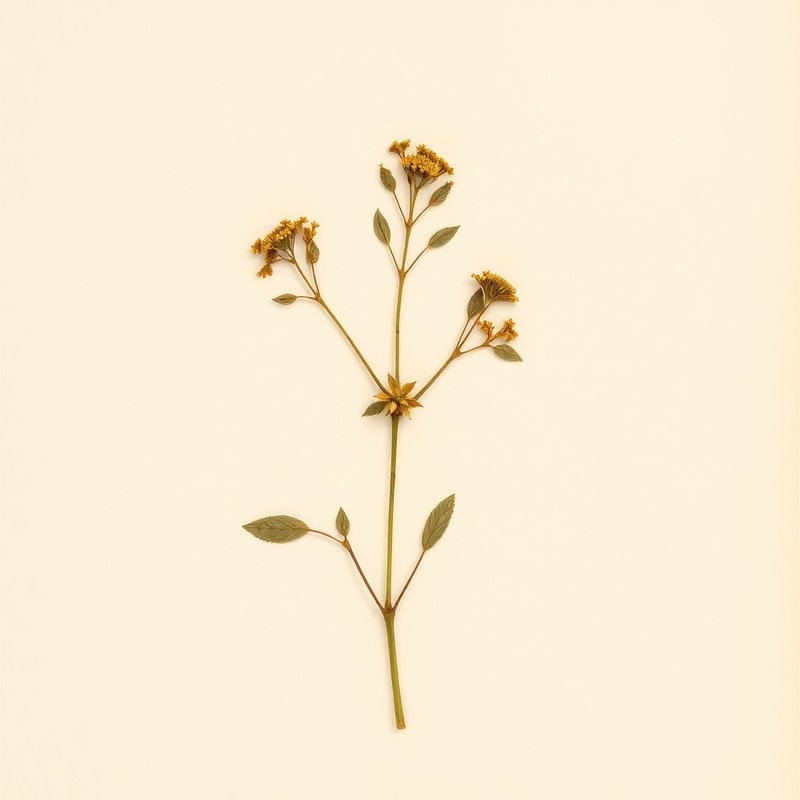
Pl. 21C5 — Citroncirus
CitroncirusCitroncirusCitroncirusCitroncirusCitroncirusCitroncirusCitroncirusCitroncirusCitroncirusCitroncirusCitroncirusCitroncirusCitroncirusCitroncirus
IOverview
Overview
Citrumelo, scientifically known as Citroncirus, is a hybrid citrus plant that thrives in tropical and subtropical regions of Asia and Oceania. Native to countries such as Assam, Bangladesh, Cambodia, China (North-Central, South-Central, Southeast), and parts of India and Southeast Asia, it has been cultivated for its edible fruit. This versatile plant can grow up to 3 meters in height and prefers full sun with moist soil that is light (sandy), medium, or heavy (clay). It is hardy in zones 7-10, making it suitable for a wide range of climates within its native range. The Citrumelo's distinctive feature lies in its ability to produce fruit that combines the characteristics of both citron and mandarin, offering a unique flavor profile. The fruit can be consumed fresh or used in various preparations, adding versatility to culinary uses. Cultivated in regions including Alabama, Algeria, Argentina, and beyond, this plant has adapted well to diverse environments. While primarily grown for its edible fruit, the Citrumelo is also an ornamental addition to gardens due to its attractive growth form. Its adaptability makes it a valuable species for horticulturists looking to introduce new citrus varieties into their landscapes or agricultural practices. However, caution should be exercised when handling any part of the plant as some citrus plants can cause skin irritation in sensitive individuals.
Quick answers
What is Citrumelo?
Citrumelo, scientifically known as Citroncirus, is a hybrid citrus plant that thrives in tropical and subtropical regions of Asia and Oceania.
Growingconditions · propagation · uses
VCultivation
Cultivation
Citrumelo thrives in full sun and prefers moist soil that can be light (sandy), medium, or heavy (clay). It is hardy in zones 7-10 and grows to a height of about 3 meters. For propagation, consider using cuttings or grafting techniques. This versatile plant is native to regions including Assam, Bangladesh, and parts of Southeast Asia, making it adaptable to similar climates.
Light
Full sun
Water
Moist
Soil
Light (sandy), Medium, Heavy (clay)
Hardiness
7-10
Mature size
3.0 m tall
For first-time growers
How to grow Citrumelo for the first time
8steps
Start with a simple Citrumelo tree in a sunny spot, and follow these steps for success.
- 1
What you'll need
A young Citrumelo sapling, well-draining soil, and a large container or garden space.
- 2
Best time to plant
Plant in spring when the last frost has passed, ensuring warm temperatures.
- 3
Soil and container prep
Use light, medium, or heavy soil with good drainage. Ensure containers are at least 30 cm deep and wide.
- 4
Sowing or transplanting
Transplant the sapling carefully, making sure not to damage roots. Water thoroughly after planting.
- 5
First two weeks
Keep soil moist but not waterlogged. Place in a sunny spot and avoid direct afternoon sun initially.
- 6
Ongoing care
Water regularly, especially during dry spells. Fertilize lightly every few months with balanced plant food.
- 7
Harvest or pruning
Prune to maintain shape in late winter before new growth starts. Harvest fruit when fully yellow and fragrant.
- 8
Common mistakes
Overwatering, planting in full afternoon sun, not providing enough support for the tree's weight.
VIEdible & utility
Edible & utility
Edible parts:Fruit
Edible uses: The citrumelo fruit is edible and can be consumed raw or used in various preparations. Typically, the fruit is eaten fresh but may also be dried for later use.
Contextrange · companions · related
VIIDistribution
34 native · 106 introduced
Distribution
34 native · 106 introducedDistribution across5 continents· 34 native· 106 introduced
Europe6 regions
introduced (6)AlbaniaBulgariaItalyPortugalRomaniaSpain
Asia21 regions
native (12)BangladeshCambodiaChinaIndiaJapanLaosMyanmarNepalPhilippinesTaiwanThailandVietnam
introduced (9)ChinaGeorgiaIndiaIraqOmanPakistanSouth KoreaSri LankaUzbekistan
Americas16 regions
introduced (16)BahamasBelizeBoliviaColombiaCosta RicaCubaDominican RepublicEcuadorEl SalvadorHaitiHondurasJamaicaParaguayPeruPuerto RicoVenezuela
Africa18 regions
introduced (18)AlgeriaAngolaBeninCabo VerdeChadComorosEgyptEthiopiaGambiaGuinea-BissauLibyaMauritaniaMauritiusMoroccoMozambiqueNigerSomaliaTunisia
Oceania5 regions
native (1)New Caledonia
introduced (4)FijiSamoaTongaVanuatu
Broader regions
native:Bismarck Archipelago, Borneo, East Himalaya, Hainan, Lesser Sunda Is., Malaya, Maluku, Nansei-shoto, New Guinea, New South Wales, Nicobar Is., Northern Territory, Queensland, Solomon Is., South Australia, Sulawesi, Sumatera, Wallis-Futuna Is., West Himalaya
introduced:Alabama, Andaman Is., Argentina Northeast, Argentina Northwest, Arkansas, Bermuda, Brazil Northeast, Brazil South, Brazil Southeast, Brazil West-Central, California, Caroline Is., Cayman Is., Central American Pac, Christmas I., Cook Is., Delaware, Florida, Galápagos, Gilbert Is., Gulf of Guinea Is., Illinois, Leeward Is., Line Is., Louisiana, Marianas, Marshall Is., Maryland, Mexico Central, Mexico Southeast, Mississippi, Missouri, Niue, North Carolina, Oklahoma, Panamá, Pennsylvania, Réunion, Rodrigues, Santa Cruz Is., Society Is., Socotra, South Carolina, Tadzhikistan, Tennessee, Texas, Trinidad-Tobago, Tuamotu, Virginia, West Virginia, Windward Is.
IXSpecimen gallery
1 image
Specimen gallery
1 imageXI
Explore further
Companion planting
Growing zone
XII
About this entry
- Last updated
- Citation
- How to cite this entry · Submit a correction
Back to the cataloguePlant id · 21c56992-e897-4114-92ae-a3284dfe84d4
Decision aid
Choosing between Citrumelo and something else?
Continue reading
❦❦❦❦
Endpaper · archive updates
Get archive updates
Occasional email when substantial new content lands — plant profiles, seasonal growing notes, folk-remedy additions. Free, no tracking, unsubscribe anytime.
Newsletter returning soon.
We are rebuilding the update list around a lightweight editorial workflow. New dispatches will resume after the next content review cycle.