
Citrange
Citroncirus webberi
Educational content — not medical, botanical, or professional advice. Plant identification, safety, and edibility depend on local conditions, cultivars, and correct identification. Consult a qualified botanist or forager before consuming or handling wild specimens. How we source & review →
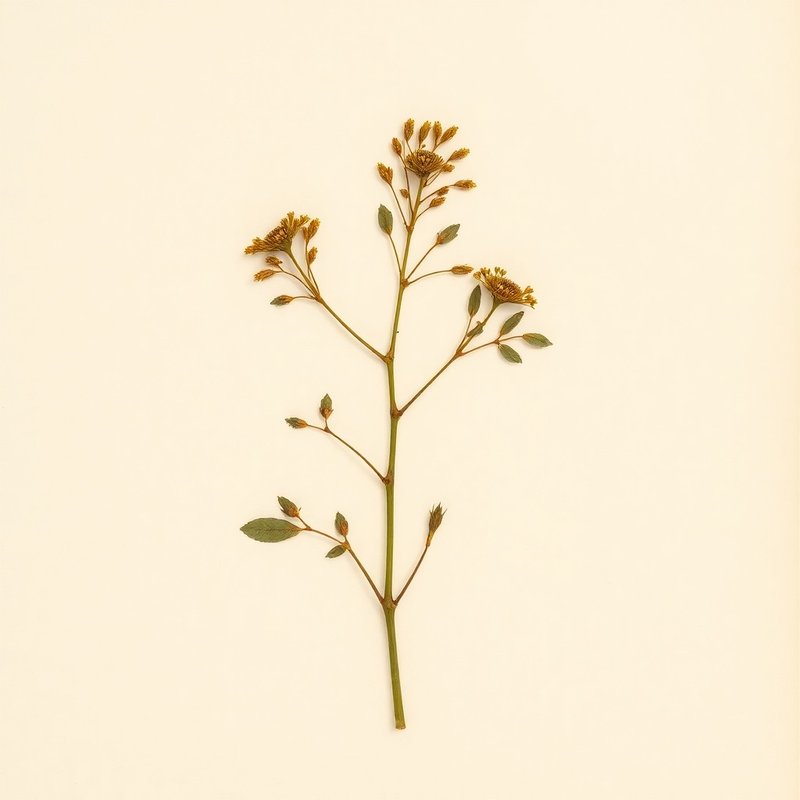
Pl. 5B4F — Citroncirus webberi
Citroncirus webberiCitroncirus webberiCitroncirus webberiCitroncirus webberiCitroncirus webberiCitroncirus webberiCitroncirus webberiCitroncirus webberiCitroncirus webberiCitroncirus webberiCitroncirus webberiCitroncirus webberiCitroncirus webberiCitroncirus webberi
IOverview
Overview
Citrange, scientifically known as Citroncirus webberi, is a hybrid citrus plant that belongs to the Rutaceae family. Native to subtropical regions of the United States and Mexico, it thrives in zones 6-9 where it can withstand mild winters. Known for its edible fruit, which can be used in various culinary applications, Citrange also serves as an ornamental tree due to its attractive foliage and fragrant blossoms. One distinctive feature is its ability to grow in a variety of soil types—light (sandy), medium, or heavy (clay)—and it requires full sun exposure for optimal growth.
Quick answers
What is Citrange?
Citrange, scientifically known as Citroncirus webberi, is a hybrid citrus plant that belongs to the Rutaceae family. Native to subtropical regions of the United States and Mexico, it thrives in zones 6-9 where it can withstand mild winters.
Growingconditions · propagation · uses
VCultivation
Cultivation
Citrange thrives in full sun and requires moist but well-drained soil that can be light (sandy), medium, or heavy (clay). It is hardy in zones 6-9, making it suitable for temperate climates. For propagation, use cuttings or grafting methods to ensure successful growth. Regular watering is essential, especially during dry periods, but avoid overwatering to prevent root rot.
Light
Full sun
Water
Moist
Soil
Light (sandy), Medium, Heavy (clay)
Hardiness
6-9
For first-time growers
How to grow Citrange for the first time
8steps
Start with a simple, sunny spot and basic care for your Citrange.
- 1
What you'll need
A young Citrange plant or seedling, well-draining soil, and a container if planting in a pot.
- 2
Best time to plant
Plant Citrange in spring when the last frost has passed.
- 3
Soil and container prep
Use light, medium, or heavy soil depending on your preference. Ensure good drainage for potted plants.
- 4
Sowing or transplanting
Transplant a young Citrange to a larger pot if needed, ensuring the roots are not damaged.
- 5
First two weeks
Water regularly but avoid overwatering. Place in bright light and keep warm.
- 6
Ongoing care
Provide full sun, water when soil feels dry, and fertilize lightly during growing season.
- 7
Harvest or pruning
Prune to shape the plant and remove dead branches. Harvest fruit when it turns yellow.
- 8
Common mistakes
Overwatering, not providing enough sunlight, and neglecting pruning are common issues.
VIEdible & utility
Edible & utility
Edible parts:Fruit
Edible uses: The citrange fruit is edible and can be consumed raw or used in various preparations. It is often eaten fresh but can also be cooked into jams or jellies. The fruit's zest is sometimes used to add flavor to baked goods without incorporating the entire flesh.
Other uses:Rootstock
Contextrange · companions · related
IXSpecimen gallery
1 image
Specimen gallery
1 imageXI
Explore further
Companion planting
Growing zone
XII
About this entry
- Last updated
- Citation
- How to cite this entry · Submit a correction
Back to the cataloguePlant id · 5b4f0756-368e-4b84-8244-ee4400d764f0
Decision aid
Choosing between Citrange and something else?
Continue reading
❦❦❦❦
Endpaper · archive updates
Get archive updates
Occasional email when substantial new content lands — plant profiles, seasonal growing notes, folk-remedy additions. Free, no tracking, unsubscribe anytime.