
Tuberous Spring Beauty
IOverview
Overview
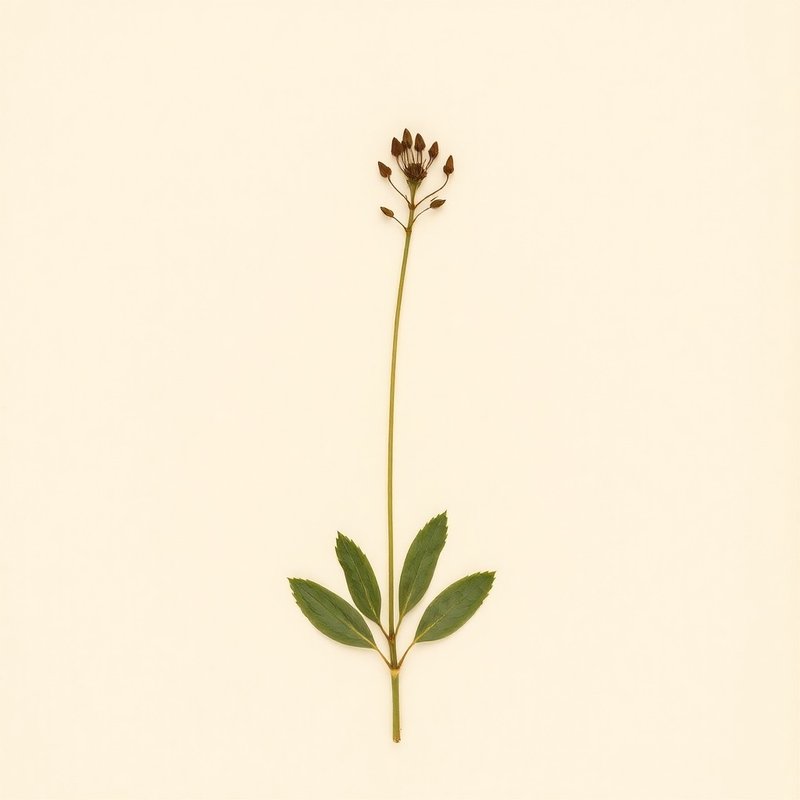
Tuberous Spring Beauty (Claytonia tuberosa) is a perennial plant native to the Southwest of Mexico, extending northward into regions such as Alaska, British Columbia, and parts of Siberia, including Kamchatka, Krasnoyarsk, Magadan, and the Northwest Territories. This plant thrives in light, full sun conditions with moist, well-drained soil that is either sandy or medium-textured. It grows to a height of 20 cm and is hardy in USDA zones 4-8. Known for its edible qualities, Tuberous Spring Beauty can be enjoyed as leaves, flowers, and roots. The distinctive feature of this plant is its tuberous root, which adds culinary value and contributes to its name. Its leaves and flowers are often used fresh in salads, while the roots can be eaten raw or cooked, making it a versatile addition to both culinary and ornamental gardens. While the plant is not medicinal, it is important to exercise caution when consuming any wild plants to ensure they are correctly identified and safe for consumption.
What is Tuberous Spring Beauty?
Tuberous Spring Beauty (Claytonia tuberosa) is a perennial plant native to the Southwest of Mexico, extending northward into regions such as Alaska, British Columbia, and parts of Siberia, including Kamchatka, Krasnoyarsk, Magadan, and the Northwest Territories.
VCultivation
Cultivation
How to grow Tuberous Spring Beauty for the first time
Start with Tuberous Spring Beauty for a simple and rewarding gardening experience.
- 1
What you'll need
Seeds or small tubers, potting soil, containers, water.
- 2
Best time to plant
Plant in early spring when the ground is moist but not soggy.
- 3
Soil and container prep
Use a light, well-draining mix. Containers should be at least 15 cm deep.
- 4
Sowing or transplanting
Plant tubers just below the soil surface; sow seeds thinly on top of the soil.
- 5
First two weeks
Keep soil consistently moist and provide light shade to prevent drying out.
- 6
Ongoing care
Water regularly, especially during dry spells. Avoid overwatering.
- 7
Harvest or pruning
Prune dead leaves to maintain plant health but avoid cutting flowers for aesthetics.
VIEdible & utility
Edible & utility
VIIDistribution
9 native · 0 introduced
Distribution
9 native · 0 introducedIXSpecimen gallery
1 image
Specimen gallery
1 imageExplore further
About this entry
- Last updated
- Citation
- How to cite this entry · Submit a correction
Continue reading
Get archive updates
Occasional email when substantial new content lands — plant profiles, seasonal growing notes, folk-remedy additions. Free, no tracking, unsubscribe anytime.