
Spring Beauty
IOverview
Overview
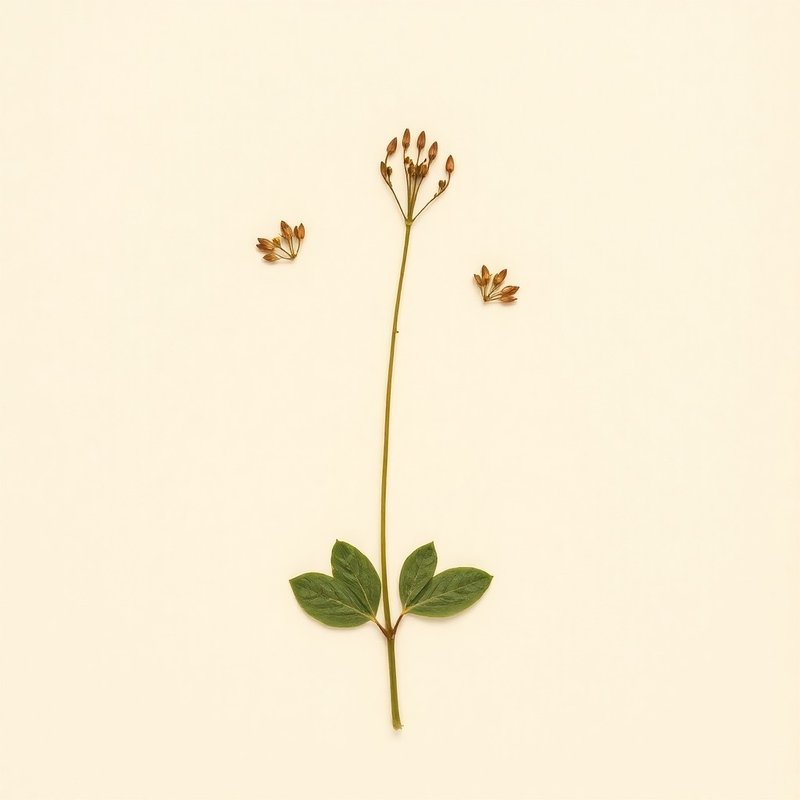
Spring Beauty (Claytonia virginica) is a delicate perennial native to the eastern United States and southeastern Canada, thriving in areas from Alabama to Wisconsin and Ontario. This plant is well-suited for woodland gardens or naturalized areas, where it can be found growing in partial sun or shade with moist, light to medium soil. Its distinctive features include narrow, lance-shaped leaves and clusters of pink or white flowers that appear in early spring, often before the trees leaf out, providing a welcome splash of color to forest floors. The leaves and roots of Spring Beauty can be eaten raw or cooked, offering a mild, slightly sweet flavor. Typically, they are prepared fresh in salads, and roots can be boiled to add a nutritious element to dishes. This plant is hardy in zones 5-7 and is a valuable addition to gardens and natural settings for its ornamental and edible qualities. While not medicinal, Spring Beauty is an important part of the ecosystem, supporting local wildlife and enriching the landscape with its early spring blooms.
What is Spring Beauty?
Spring Beauty (Claytonia virginica) is a delicate perennial native to the eastern United States and southeastern Canada, thriving in areas from Alabama to Wisconsin and Ontario.
VCultivation
Cultivation
How to grow Spring Beauty for the first time
Start with simple soil preparation and gentle care for your Spring Beauty.
- 1
What you'll need
Seeds or small plants, a trowel, compost, mulch.
- 2
Best time to plant
Plant in early spring after the last frost or late fall before the first freeze.
- 3
Soil and container prep
Choose a spot with partial sun to shade. Amend soil with compost for light, well-draining conditions.
- 4
Sowing or transplanting
Direct sow seeds 0.5 cm deep in the ground or plant small seedlings at this depth.
- 5
First two weeks
Keep soil moist and mulch around plants to retain moisture and suppress weeds.
- 6
Ongoing care
Water regularly, especially during dry spells. Avoid overwatering as the soil should be well-draining.
- 7
Harvest or pruning
Prune dead leaves in late winter before new growth starts to maintain plant health.
- 8
Common mistakes
Overwatering, planting in heavy soils, neglecting mulch application, not providing enough shade.
VIEdible & utility
Edible & utility
VIIDistribution
36 native · 0 introduced
Distribution
36 native · 0 introducedIXSpecimen gallery
1 image
Specimen gallery
1 imageExplore further
About this entry
- Last updated
- Citation
- How to cite this entry · Submit a correction
Continue reading
Get archive updates
Occasional email when substantial new content lands — plant profiles, seasonal growing notes, folk-remedy additions. Free, no tracking, unsubscribe anytime.