
Clematis ianthina
Clematis ianthina
Educational content — not medical, botanical, or professional advice. Plant identification, safety, and edibility depend on local conditions, cultivars, and correct identification. Consult a qualified botanist or forager before consuming or handling wild specimens. How we source & review →
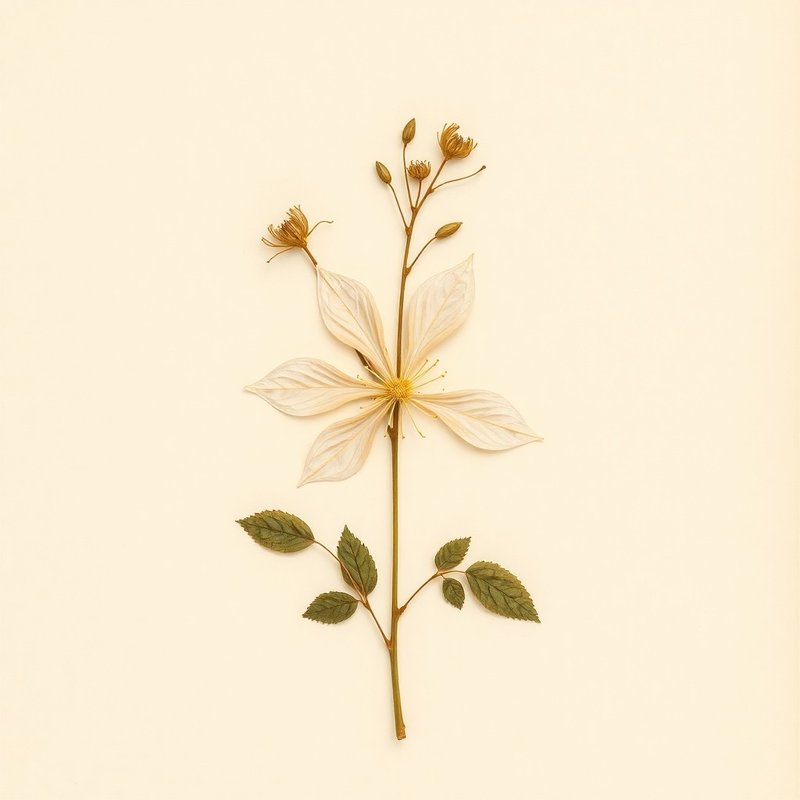
Pl. E279 — Clematis ianthina
Clematis ianthinaClematis ianthinaClematis ianthinaClematis ianthinaClematis ianthinaClematis ianthinaClematis ianthinaClematis ianthinaClematis ianthinaClematis ianthinaClematis ianthinaClematis ianthinaClematis ianthinaClematis ianthina
IOverview
Overview
Clematis ianthina, commonly known as the blue clematis, is a climbing vine belonging to the Ranunculaceae family. Native to regions including Amur, China North-Central, Inner Mongolia, Japan, and Korea, this plant thrives in moist, light to partial shade conditions. It can grow up to 4 meters tall and is known for its edible leaves, making it a valuable addition to gardens or landscapes where its ornamental value and culinary uses are appreciated. Its distinctive feature lies in its attractive blue flowers, which add a splash of color to the garden while contributing to local ecosystems through pollination.
Quick answers
What is Clematis ianthina?
Clematis ianthina, commonly known as the blue clematis, is a climbing vine belonging to the Ranunculaceae family. Native to regions including Amur, China North-Central, Inner Mongolia, Japan, and Korea, this plant thrives in moist, light to partial shade conditions.
Growingconditions · propagation · uses
VCultivation
Cultivation
Clematis ianthina thrives in full to partial sun and prefers moist soil that is light (sandy), medium, or heavy (clay). It grows best in hardiness zones 4-8 and can reach a height of 4 meters. For propagation, Clematis ianthina can be grown from seeds or cuttings. The plant's edible parts include its leaves.
Light
Full sun, Partial sun/shade
Water
Moist
Soil
Light (sandy), Medium, Heavy (clay)
Hardiness
4-8
Mature size
4.0 m tall
For first-time growers
How to grow Clematis ianthina for the first time
8steps
Start with planting Clematis ianthina in a sunny spot and follow these beginner-friendly steps.
- 1
What you'll need
Clematis ianthina plants, garden soil, mulch, and a trellis or support system.
- 2
Best time to plant
Plant in early spring or late fall when the weather is cooler.
- 3
Soil and container prep
Ensure the soil is well-draining with a pH between 6.0 and 7.5, and prepare a spot that gets full sun to partial shade.
- 4
Sowing or transplanting
Transplant young plants from nursery pots directly into the garden or start seeds indoors in late winter for outdoor planting later.
- 5
First two weeks
Water regularly, keeping the soil moist but not waterlogged. Monitor for any signs of stress and adjust watering accordingly.
- 6
Ongoing care
Provide regular watering during dry spells, especially in summer. Fertilize once a year with a balanced fertilizer in early spring.
- 7
Harvest or pruning
Prune after flowering to maintain shape and encourage new growth. Remove any dead or damaged stems.
- 8
Common mistakes
Overwatering, planting too deep, neglecting to provide support, and not pruning regularly.
VIEdible & utility
Edible & utility
Edible parts:Leaves
Edible uses: The leaves of Clematis ianthina are edible and can be consumed fresh or cooked. They are typically prepared by boiling or steaming to make them more palatable. SKIP
Contextrange · companions · related
VIIDistribution
13 native · 1 introduced
Distribution
13 native · 1 introducedDistribution across1 continent· 13 native· 1 introduced
Asia3 regions
native (3)ChinaJapanSouth Korea
Broader regions
native:Yakutskiya, Amur, Kamchatka, Khabarovsk, Kuril Is., Magadan, Primorye, Sakhalin
introduced:Buryatiya
IXSpecimen gallery
1 image
Specimen gallery
1 imageXI
Explore further
Companion planting
Growing zone
XII
About this entry
- Last updated
- Citation
- How to cite this entry · Submit a correction
Back to the cataloguePlant id · e279ceca-cc5f-4c05-a2e0-4079f260cb92
Decision aid
Choosing between Clematis ianthina and something else?
Continue reading
❦❦❦❦
Endpaper · archive updates
Get archive updates
Occasional email when substantial new content lands — plant profiles, seasonal growing notes, folk-remedy additions. Free, no tracking, unsubscribe anytime.