
Coconut Palm
Cocos nucifera
Educational content — not medical, botanical, or professional advice. Plant identification, safety, and edibility depend on local conditions, cultivars, and correct identification. Consult a qualified botanist or forager before consuming or handling wild specimens. How we source & review →
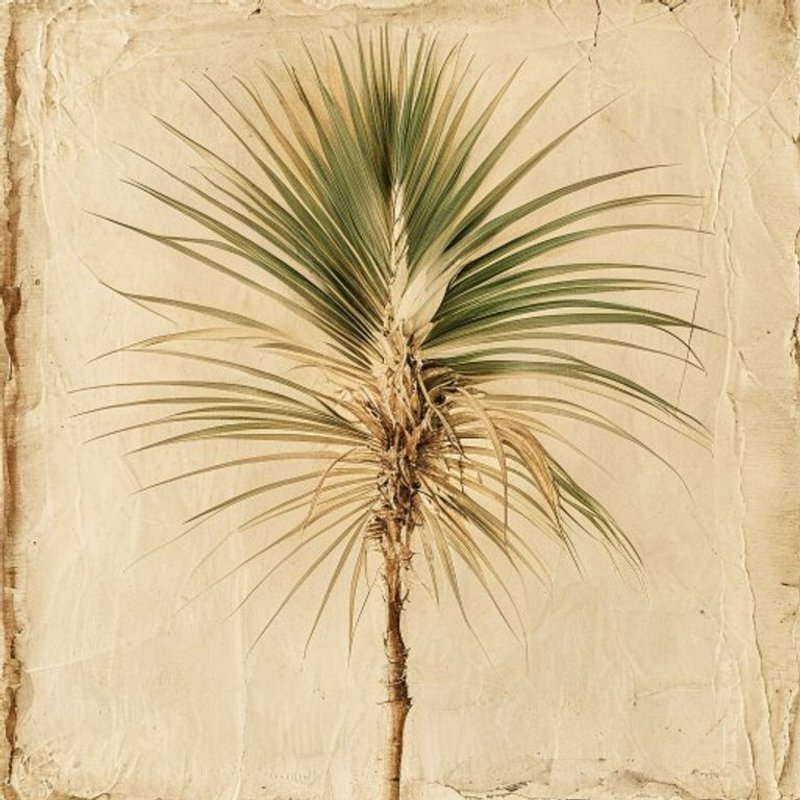
Pl. 5F65 — Cocos nucifera
Cocos nuciferaCocos nuciferaCocos nuciferaCocos nuciferaCocos nuciferaCocos nuciferaCocos nuciferaCocos nuciferaCocos nuciferaCocos nuciferaCocos nuciferaCocos nuciferaCocos nuciferaCocos nucifera
IOverview
Overview
The Coconut Palm (Cocos nucifera) is a large tree native to the Bismarck Archipelago, Maluku, New Guinea, Philippines, Queensland, Samoa, Santa Cruz Islands, Solomon Islands, and Tonga. Known for its edible fruits and ornamental value, this palm thrives in moist environments with light (sandy), medium, or heavy (clay) soils, showing a preference for a pH range of 4 to 8. It can grow up to 25 meters tall and is widely recognized for its versatile uses, including the edible roots, stem, fruits, and seeds. Its distinctive feature lies in its ability to adapt to various soil types while maintaining a light energy requirement, making it a resilient and valuable species in tropical regions.
Quick answers
What is Coconut Palm?
The Coconut Palm (Cocos nucifera) is a large tree native to the Bismarck Archipelago, Maluku, New Guinea, Philippines, Queensland, Samoa, Santa Cruz Islands, Solomon Islands, and Tonga.
Growingconditions · propagation · uses
VCultivation
Cultivation
The Coconut Palm (Cocos nucifera) thrives in warm, tropical climates and requires ample sunlight for optimal growth. It prefers well-draining soils that are light (sandy), medium, or heavy (clay) with a pH range of 4 to 8. Watering should be consistent but not excessive; the palm needs moist soil conditions. Propagation is typically done through seed. This tree is hardy in temperate regions and can grow up to 25 meters tall. For successful cultivation, ensure it receives plenty of light and regular watering while maintaining appropriate soil conditions.
Light
9/10
Water
Moist
Soil
Light (sandy), Medium, Heavy (clay)
Hardiness
10-12
Habit
Tree
Mature size
25.0 m tall
Soil pH
4–8
- Propagation
- ""
For first-time growers
How to grow Coconut Palm for the first time
8steps
Start with a young coconut palm for the best beginner experience.
- 1
What you'll need
A young coconut palm, well-draining soil, and a large pot or garden space.
- 2
Best time to plant
Plant in spring when temperatures are consistently above 20°C (68°F).
- 3
Soil and container prep
Use a mix of sand, loam, and clay for good drainage. Ensure the pot has holes for water to escape.
- 4
Sowing or transplanting
Transplant a young coconut palm from a nursery pot into your prepared garden bed or larger container.
- 5
First two weeks
Water regularly, keeping the soil moist but not soggy. Place in partial shade to avoid sunburn.
- 6
Ongoing care
Provide plenty of water and a balanced fertilizer every few months. Protect from strong winds.
- 7
Harvest or pruning
Prune dead leaves and branches to maintain the tree's health, but wait for the coconut to mature naturally before harvesting.
- 8
Common mistakes
Overwatering, planting in heavy soil, not providing enough sunlight, and neglecting to protect from strong winds.
VIEdible & utility
Edible & utility
Edible parts:rootsstemfruitsseeds
Edible uses: Oil, Coffee, Condiment, Drink, Sweetener
Other uses:Weaving materialCraftingFire starterCompostContainersCosmeticFiberFilterLumberLightingMulchoilPotashRoofingScourerSoap makingtextiles
Contextrange · companions · related
VIIDistribution
10 native · 20 introduced
Distribution
10 native · 20 introducedDistribution across4 continents· 10 native· 20 introduced
Asia4 regions
native (1)Philippines
introduced (3)BangladeshCambodiaChina
Americas2 regions
introduced (2)BahamasBelize
Africa2 regions
introduced (2)BeninCameroon
Oceania3 regions
native (3)SamoaTongaVanuatu
Broader regions
native:Santa Cruz Is., Solomon Is., Bismarck Archipelago, New Guinea, Queensland, Maluku
introduced:Chagos Archipelago, Central African Repu, Caroline Is., Brazil Southeast, Cayman Is., Brazil Northeast, Central American Pac, Brazil North, Chile North, Borneo, Christmas I., Ascension
IXSpecimen gallery
1 image
Specimen gallery
1 imageXI
Explore further
Companion planting
Growing zone
XII
About this entry
- Last updated
- Citation
- How to cite this entry · Submit a correction
Back to the cataloguePlant id · 5f658015-382a-48f7-b04e-02a1aaa0a54a
Decision aid
Choosing between Coconut Palm and something else?
Continue reading
❦❦❦❦
Endpaper · archive updates
Get archive updates
Occasional email when substantial new content lands — plant profiles, seasonal growing notes, folk-remedy additions. Free, no tracking, unsubscribe anytime.