
Todok
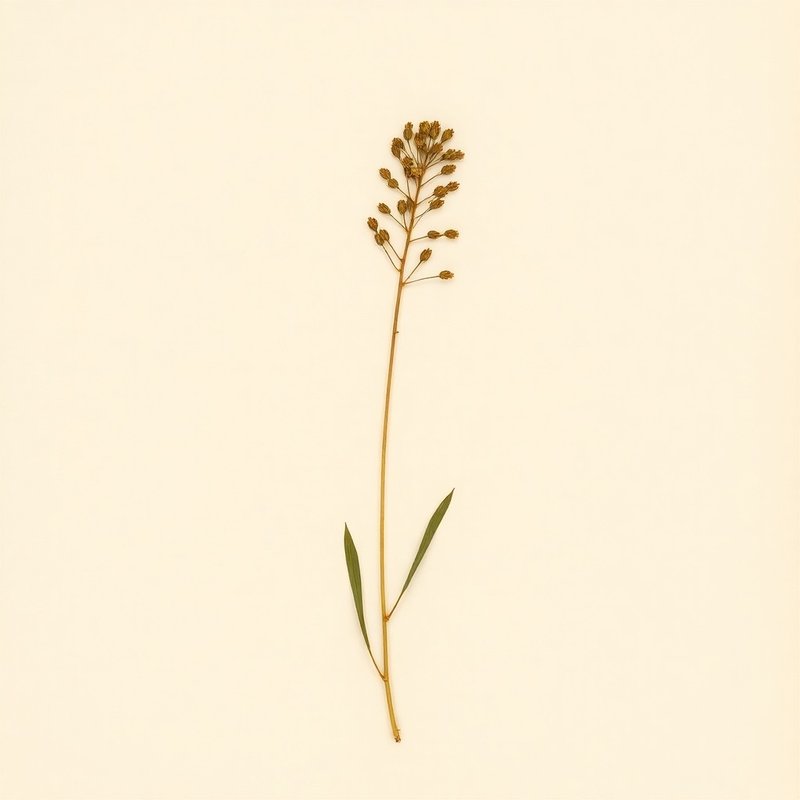
IOverview
Overview
Todok, Codonopsis lanceolata, is a perennial climbing vine in the bellflower family, Campanulaceae. It grows as a twining plant rather than an upright one, reaching about 1.5 metres, which places it in the vine layer of a garden where it can climb over supports or companion plants. Its native range spans a wide band of East Asia: Amur, Manchuria, Primorye, Khabarovsk, the Kuril Islands, Japan, Korea, Inner Mongolia, and north-central, south-central, and southeast China. Across that range it is associated with moist ground, and in cultivation it does best in light or medium, sandy soils that stay moist. It tolerates full sun to partial shade and is hardy in zones 6 to 9, though it is not drought tolerant and depends on steady moisture. The plant's principal use is as food. Both the leaves and the roots are edible. The roots can be cooked or dried and stored for later use, while the leaves are typically eaten fresh, in salads or as a garnish. This gives Todok a dual role in a kitchen garden, supplying both a root crop and a leafy green from the same climbing plant. To grow it, provide a light or medium soil kept moist, in full to partial sun, and allow the vine room to climb. It is a perennial in zones 6 to 9. Because the leaves and roots are eaten, anyone harvesting Todok should confirm the plant's identity and prepare it as they would any unfamiliar food.
What is Todok?
Todok, Codonopsis lanceolata, is a perennial climbing vine in the bellflower family, Campanulaceae. It grows as a twining plant rather than an upright one, reaching about 1.5 metres, which places it in the vine layer of a garden where it can climb over supports or companion plants.
VCultivation
Cultivation
How to grow Todok for the first time
Start with planting Todok in a sunny spot and follow these steps for success.
- 1
What you'll need
Seeds or young plants, a trowel, compost, mulch.
- 2
Best time to plant
Plant in spring after the last frost or in early fall.
- 3
Soil and container prep
Choose a well-draining soil with some sand. Ensure containers are at least 30 cm deep.
- 4
Sowing or transplanting
Direct sow seeds 2-3 cm deep, or plant young plants in the garden.
- 5
First two weeks
Keep soil moist and mulch around the base to retain moisture. Water regularly but avoid overwatering.
- 6
Ongoing care
Water when the top inch of soil feels dry, especially during hot weather. Fertilize once in spring with a balanced fertilizer.
- 7
Harvest or pruning
Prune dead leaves and stems to maintain plant health. Harvest roots after 2-3 years for use.
- 8
Common mistakes
Overwatering, planting too deep, neglecting mulching, not providing enough sunlight.
VIEdible & utility
Edible & utility
VIIDistribution
11 native · 0 introduced
Distribution
11 native · 0 introducedIXSpecimen gallery
1 image
Specimen gallery
1 imageExplore further
About this entry
- Last updated
- Citation
- How to cite this entry · Submit a correction
Continue reading
Get archive updates
Occasional email when substantial new content lands — plant profiles, seasonal growing notes, folk-remedy additions. Free, no tracking, unsubscribe anytime.