
Coelopleurum lucidum
IOverview
Overview
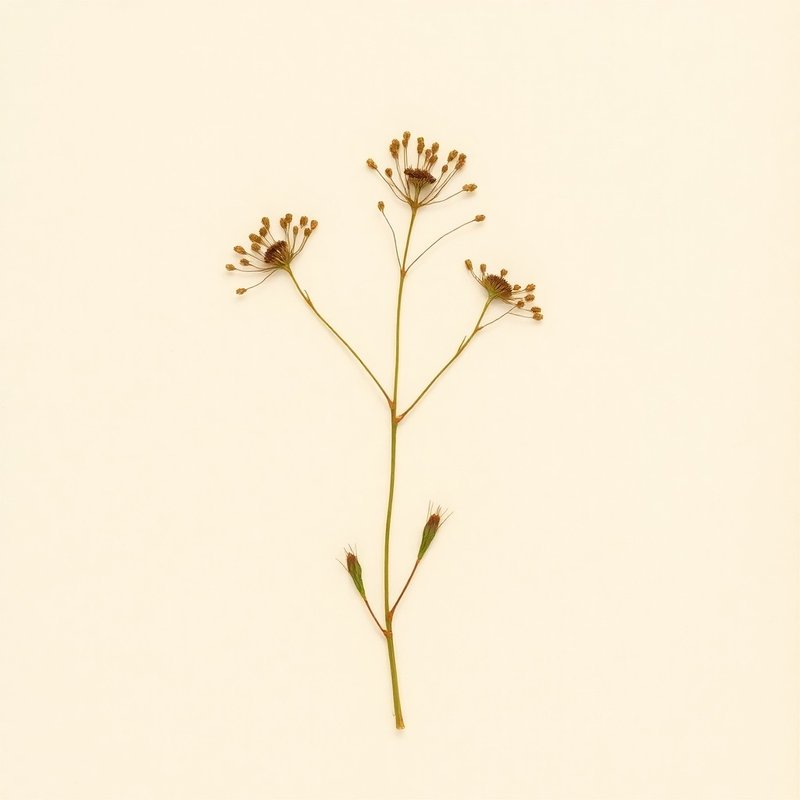
Coelopleurum lucidum, commonly known as Alaska blueweed, is a perennial herb that thrives in moist environments across North America and Asia, from Alaska to Virginia and Kamchatka. This plant can grow up to 1.2 meters tall and prefers full sun exposure, making it adaptable to various soil types including light (sandy), medium, and heavy (clay). Native to regions such as Alaska, British Columbia, California, Connecticut, and parts of Canada, Coelopleurum lucidum is valued for its edible leaves and stems, which can be consumed raw or cooked. Its ability to grow in diverse habitats, from coastal areas to inland locations, makes it a resilient species in its native range. This plant's distinctive features include its light green foliage and tall stature, making it an attractive addition to gardens or natural landscapes. While primarily used as a condiment due to its mild flavor, Coelopleurum lucidum can also be propagated through division or seed sowing for cultivation purposes. When handling this plant, gardeners should exercise caution, as some parts may cause skin irritation if not properly managed.
What is Coelopleurum lucidum?
Coelopleurum lucidum, commonly known as Alaska blueweed, is a perennial herb that thrives in moist environments across North America and Asia, from Alaska to Virginia and Kamchatka. This plant can grow up to 1.
VCultivation
Cultivation
How to grow Coelopleurum lucidum for the first time
Start with Coelopleurum lucidum as a simple perennial for your garden, focusing on basic care.
- 1
What you'll need
A small plant or seeds, a trowel, and a watering can.
- 2
Best time to plant
Plant in early spring after the last frost or late summer for better root establishment.
- 3
Soil and container prep
Choose a location with light soil that is moist but well-draining. Ensure full sun exposure.
- 4
Sowing or transplanting
Transplant young plants into the garden, spacing them about 1 meter apart. For seeds, sow in early spring directly where they will grow.
- 5
First two weeks
Water regularly to keep soil moist but not waterlogged. Monitor for any signs of stress or pests.
- 6
Ongoing care
Provide consistent moisture and light. Prune dead leaves as needed, ensuring good air circulation around the plant.
- 7
Harvest or pruning
Prune stems to maintain shape and remove dead foliage. Harvest leaves for culinary use when needed.
- 8
Common mistakes
Overwatering, planting in heavy soil, neglecting sunlight requirements, and not providing enough space between plants.
VIEdible & utility
Edible & utility
VIIDistribution
24 native · 0 introduced
Distribution
24 native · 0 introducedIXSpecimen gallery
1 image
Specimen gallery
1 imageExplore further
About this entry
- Last updated
- Citation
- How to cite this entry · Submit a correction
Continue reading
Get archive updates
Occasional email when substantial new content lands — plant profiles, seasonal growing notes, folk-remedy additions. Free, no tracking, unsubscribe anytime.