
Autumn Crocus
Colchicum autumnale
Educational content — not medical, botanical, or professional advice. Always consult a qualified clinician before using any herbal preparation — especially during pregnancy, breastfeeding, while on medication, or for children. How we source & review →
Garden journal pausedUse profile notes below
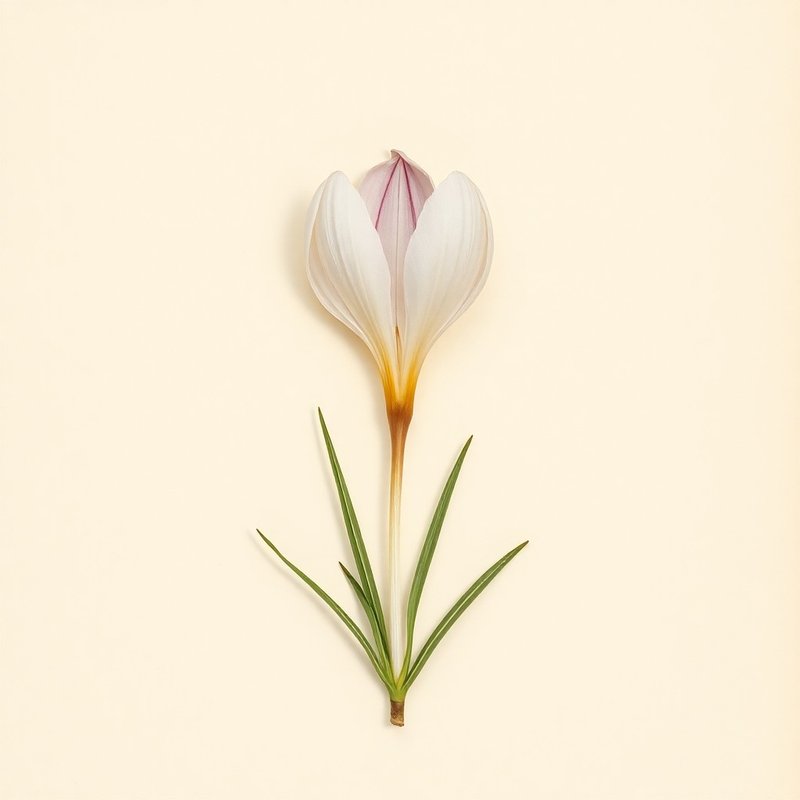
Pl. 212B — Colchicum autumnale
Colchicum autumnaleColchicum autumnaleColchicum autumnaleColchicum autumnaleColchicum autumnaleColchicum autumnaleColchicum autumnaleColchicum autumnaleColchicum autumnaleColchicum autumnaleColchicum autumnaleColchicum autumnaleColchicum autumnaleColchicum autumnale
IOverview
Overview
Autumn Crocus, scientifically known as Colchicum autumnale, is a member of the family Iridaceae and is native to countries including Albania, Austria, Belgium, Bulgaria, Czechoslovakia, France, Germany, Great Britain, Greece, Hungary, Italy, Netherlands, Poland, Romania, Spain, Switzerland, Ukraine, and Yugoslavia. This plant is known for its medicinal use, with documented applications in traditional medicine. It typically grows in moist to light (sandy), medium, or heavy (clay) soil conditions within hardiness zones 6-9, reaching a height of about 20 cm. Its distinctive features include a light purple flower and a light energy signature, making it easily recognizable. Autumn Crocus thrives in a soil pH of 6.5 to 7 and prefers partial shade to full sun. It is adaptable and can grow in various habitats, including moist and well-drained areas. While Autumn Crocus is not edible, it holds significant medicinal value. However, it is important to exercise caution when handling this plant due to its toxic nature. The plant's corms and other parts contain colchicine, a compound with potential therapeutic effects but also toxic properties. For cultivation, Autumn Crocus can be propagated by dividing its corms after flowering or by planting them in the fall. Regular watering during the growing season ensures healthy growth, but it should not sit in standing water.
Quick answers
What is Autumn Crocus?
Autumn Crocus, scientifically known as Colchicum autumnale, is a member of the family Iridaceae and is native to countries including Albania, Austria, Belgium, Bulgaria, Czechoslovakia, France, Germany, Great Britain, Greece, Hungary, Italy, Netherlands, Poland, Romania, Spain, Switzerland, Ukraine, and Yugoslavia.
IV·bMixology suggestions
1 draft
Mixology suggestions
1 draftEditorial drafts. These pairings are AI-suggested from traditional herbal lore. Always verify with a qualified herbalist before brewing.
Autumn Crocus support blend
generaltea
AI returned a direct ingredient list; normalized into one draft blend for editorial review.
Growingconditions · propagation · uses
VCultivation
Cultivation
Autumn Crocus thrives in moist, well-drained soils that are light (sandy), medium, or heavy (clay). It prefers a soil pH of 6.5 to 7 and requires partial shade to full sun. The plant is hardy in temperate regions with zones ranging from 6 to 9. For propagation, autumn crocus can be divided after flowering or by planting its corms in the fall. Regular watering during the growing season ensures healthy growth, but it should not sit in standing water.
Light
7/10
Water
Moist
Soil
Light (sandy), Medium, Heavy (clay)
Hardiness
6-9
Habit
Forb/herb
Mature size
0.2 m tall
Soil pH
6.5–7
For first-time growers
How to grow Autumn Crocus for the first time
8steps
Start with Autumn Crocus for a low-maintenance beginner project.
- 1
What you'll need
Autumn Crocus bulbs, well-draining soil, and a garden or container.
- 2
Best time to plant
Plant in late summer or early fall for blooms the following autumn.
- 3
Soil and container prep
Ensure the soil is moist but not waterlogged. Use a pot with drainage holes if planting in containers.
- 4
Sowing or transplanting
Plant bulbs 5-7 cm deep, pointed end up, spaced about 10 cm apart.
- 5
First two weeks
Water sparingly to keep the soil moist but not soggy. Avoid overwatering.
- 6
Ongoing care
Keep the soil consistently moist during the growing season and mulch around the plants.
- 7
Harvest or pruning
No need for harvesting; simply allow the foliage to die back naturally after flowering.
- 8
Common mistakes
Overwatering, planting too deep, neglecting to remove spent blooms.
Contextrange · companions · related
VIIDistribution
19 native · 11 introduced
Distribution
19 native · 11 introducedDistribution across1 continent· 19 native· 11 introduced
Europe20 regions
native (17)AlbaniaAustriaBelgiumBulgariaFranceGermanyGreeceHungaryIrelandItalyNetherlandsPolandRomaniaSpainSwitzerlandUkraineUnited Kingdom
introduced (3)DenmarkRussiaSweden
Broader regions
native:Czechoslovakia, Yugoslavia
introduced:Baltic States, Kentucky, New Hampshire, New Zealand South, North Carolina, Oregon, Utah, Vermont
IXSpecimen gallery
1 image
Specimen gallery
1 imageXI
Explore further
XII
About this entry
- Last updated
- Citation
- How to cite this entry · Submit a correction
Back to the cataloguePlant id · 212b2848-2c95-4ae0-8a56-aa176acf9d03
Decision aid
Choosing between Autumn Crocus and something else?
Continue reading
❦❦❦❦
Endpaper · archive updates
Get archive updates
Occasional email when substantial new content lands — plant profiles, seasonal growing notes, folk-remedy additions. Free, no tracking, unsubscribe anytime.
Newsletter returning soon.
We are rebuilding the update list around a lightweight editorial workflow. New dispatches will resume after the next content review cycle.