
Birdbill Dayflower
IOverview
Overview
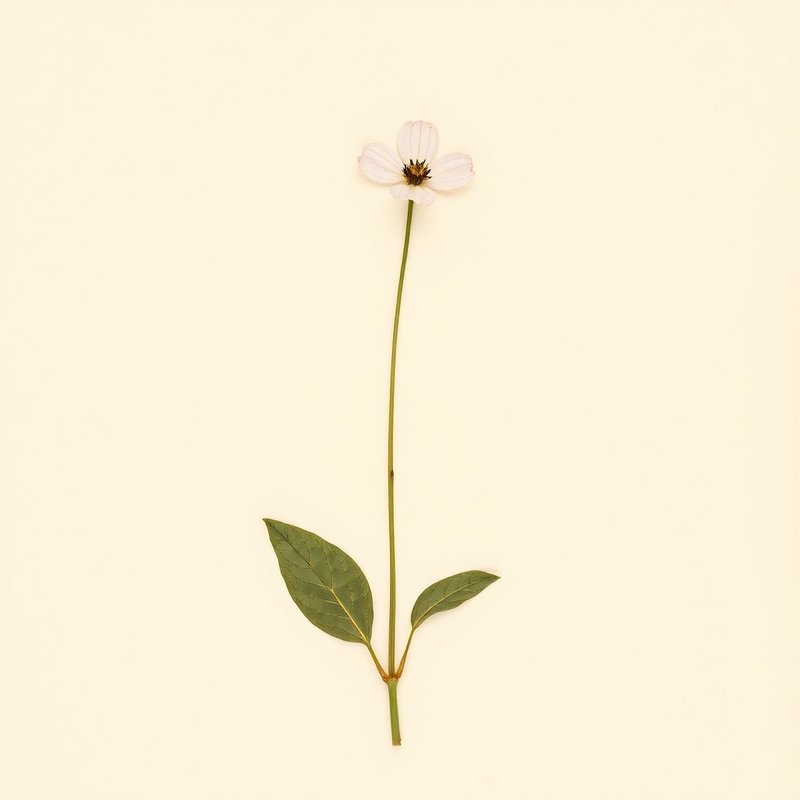
Birdbill Dayflower (Commelina dianthifolia) is a perennial forb or herb native to regions including Arizona, Colorado, and various parts of Mexico such as the Gulf, Central, Northeast, Northwest, Southwest, and New Mexico. This plant thrives in light to partial shade with well-drained soil that can be either dry or moist. It has a hardiness range of 6-9, making it adaptable but thriving best in full sun or partial shade. The Birdbill Dayflower is known for its edible roots, which can be consumed raw or cooked after boiling to soften them. The plant features small, blue-violet flowers that resemble tiny trumpets and bloom throughout the year, adding ornamental value to landscapes. Its distinctive appearance includes these vibrant flowers and its ability to grow in a variety of conditions, making it a versatile addition to gardens. While not medicinal, Birdbill Dayflower serves as an important resource for those familiar with its uses, particularly for foraging communities. When handling or consuming any part of this plant, caution should be exercised to ensure proper identification, as some plants may look similar but have different properties.
What is Birdbill Dayflower?
Birdbill Dayflower (Commelina dianthifolia) is a perennial forb or herb native to regions including Arizona, Colorado, and various parts of Mexico such as the Gulf, Central, Northeast, Northwest, Southwest, and New Mexico.
VCultivation
Cultivation
How to grow Birdbill Dayflower for the first time
Start with a simple, low-maintenance approach to growing Birdbill Dayflower.
- 1
What you'll need
A small pot or garden bed, seeds or young plants.
- 2
Best time to plant
Plant in spring after the last frost, when temperatures are mild.
- 3
Soil and container prep
Use well-draining soil; a mix of sand and loam works well. Ensure containers have drainage holes.
- 4
Sowing or transplanting
Direct sow seeds 0.5 cm deep, or transplant young plants into the prepared soil.
- 5
First two weeks
Water sparingly to avoid rotting roots; keep the soil moist but not waterlogged.
- 6
Ongoing care
Provide full sun to partial shade and allow the soil to dry out between waterings. Prune occasionally for a tidy appearance.
- 7
Harvest or pruning
Prune dead leaves and spent flowers to encourage new growth and maintain plant health.
- 8
Common mistakes
Overwatering, planting in heavy soil, neglecting sun exposure, not providing enough space for root growth.
VIEdible & utility
Edible & utility
VIIDistribution
10 native · 0 introduced
Distribution
10 native · 0 introducedIXSpecimen gallery
1 image
Specimen gallery
1 imageExplore further
About this entry
- Last updated
- Citation
- How to cite this entry · Submit a correction
Continue reading
Get archive updates
Occasional email when substantial new content lands — plant profiles, seasonal growing notes, folk-remedy additions. Free, no tracking, unsubscribe anytime.